

Developing countries need $305 billion yearly for climate adaptation
Poorer countries lack money for basic protection against worsening climate hazards.
Understand the story →18 results for “Climate”
Poorer countries lack money for basic protection against worsening climate hazards.
Understand the story →
Formal surveys will determine compensation for farmers, fishers, and households.
Understand the story →
Heat protection can save lives but cannot replace emissions cuts.
Understand the story →
Slow-moving storms extend public-safety risks beyond coastal communities.
Understand the story →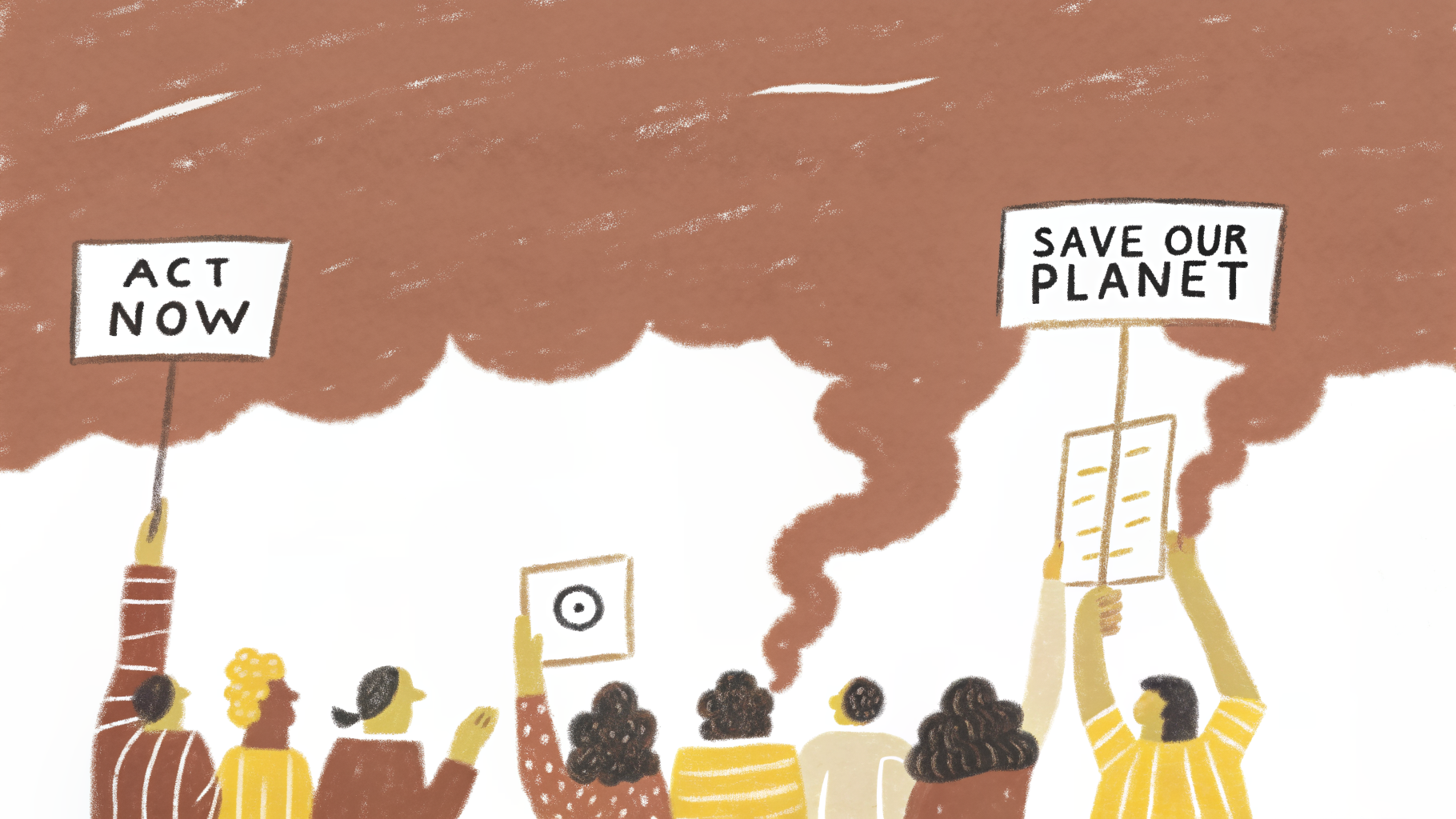
Governments leave clean investment and fossil-fuel decisions increasingly exposed
Understand the story →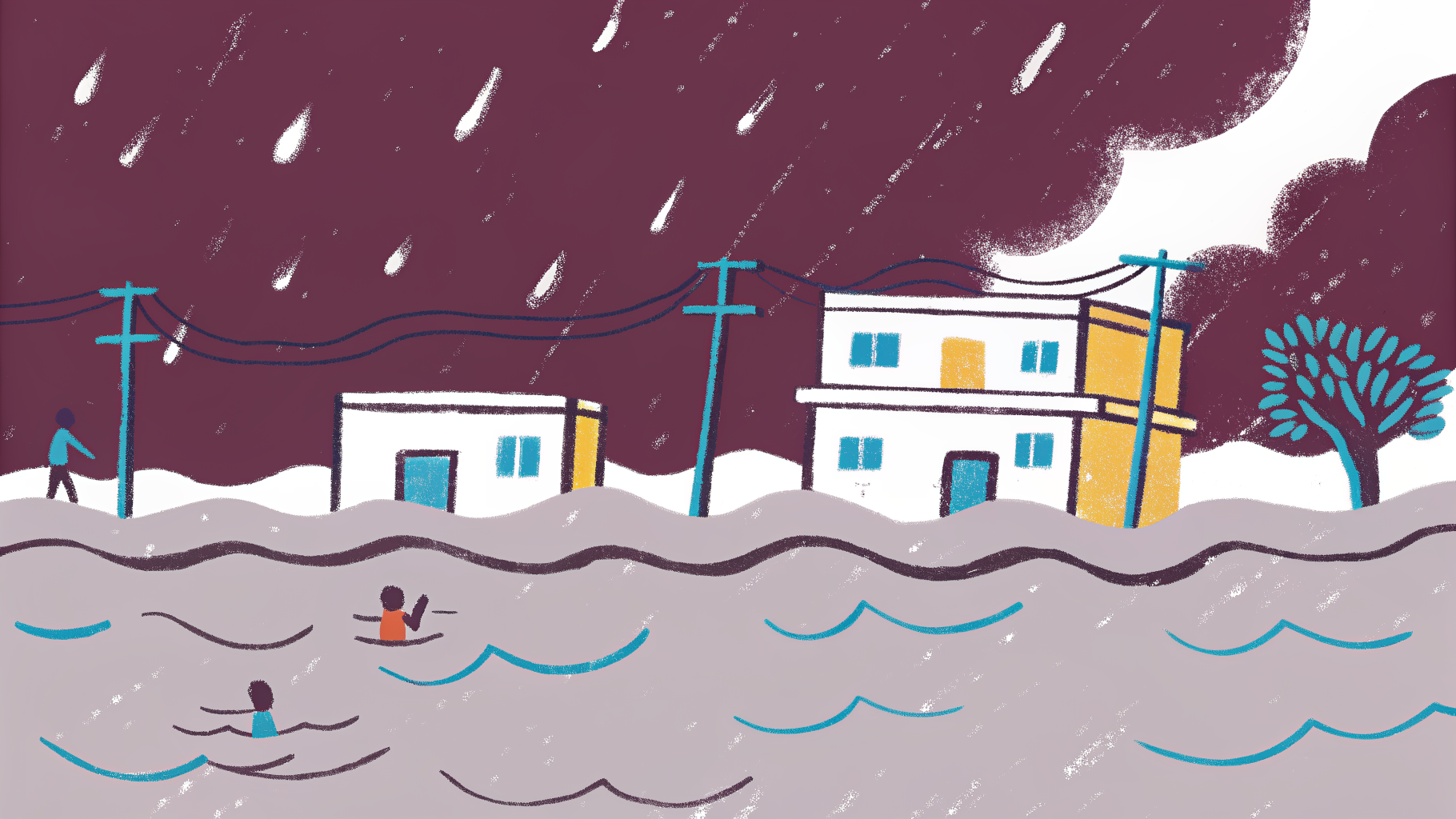
Southern states tighten emergency planning as extreme weather threatens essential services
Understand the story →
Pollution controls now impose wider daily limits across Delhi-NCR.
Understand the story →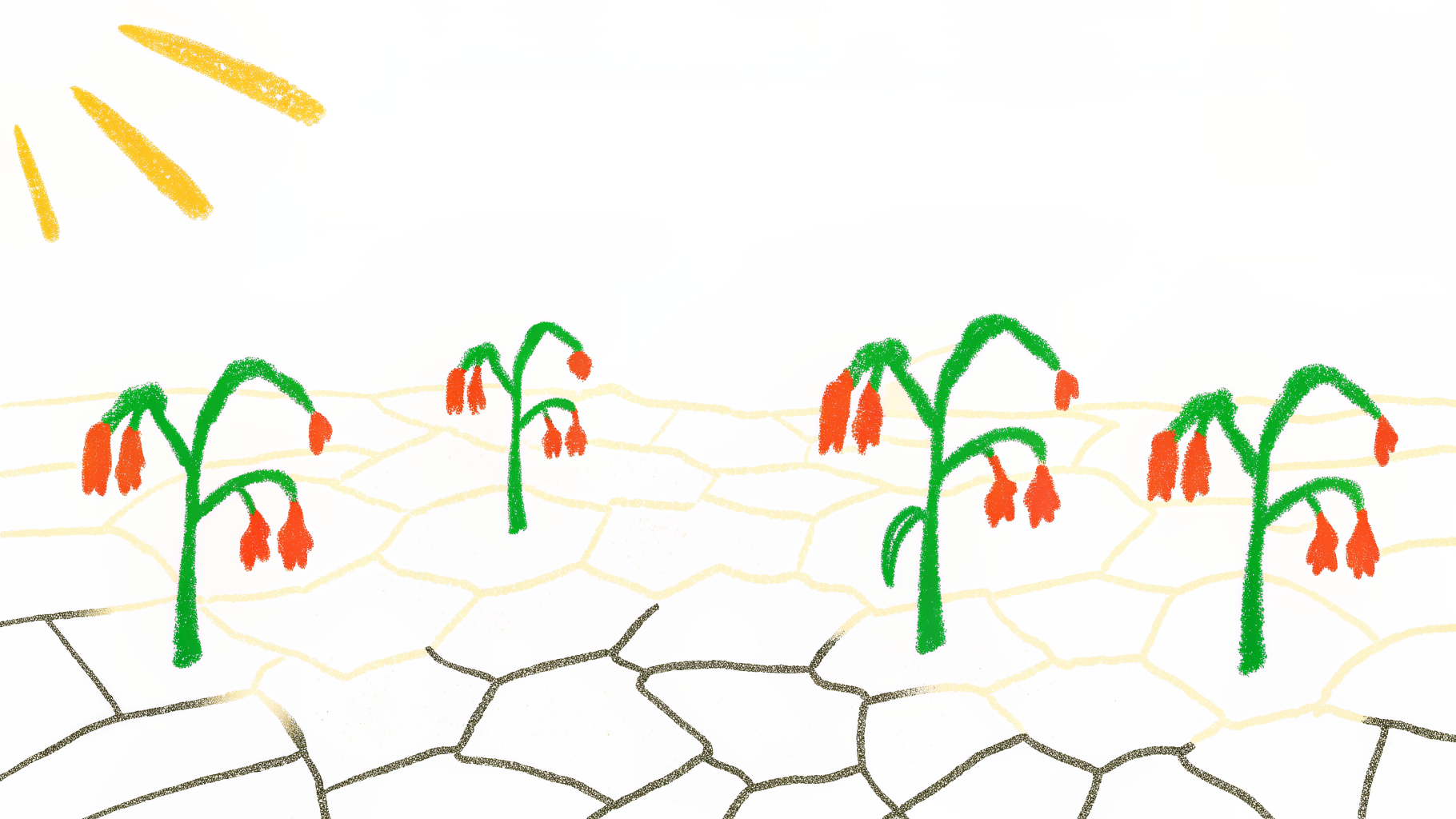
Lower yields are shrinking spice supplies despite expanded planting areas
Understand the story →
New rain may aid southern farms while increasing flood and waterlogging risks.
Understand the story →
Farmers gain access to cash, loan relief and water support
Understand the story →
Governments must turn seasonal forecasts into heat and health protection.
Understand the story →
The move reopens disputes over water, pollution and climate commitments.
Understand the story →
Evacuations expand as surge threatens coastal communities across the northern Gulf
Understand the story →Global climate policy remains far short of the emissions reductions needed to keep the 1.5°C goal within reach, with current national plans projecting only modest cuts by 2035 and greater reductions dependent on external support. The gap is widened by political and legal resistance, including efforts in the United States to remove carbon limits on coal and gas power plants. At the same time, India is pursuing a more practical clean-energy transition by strengthening transmission networks, adding storage, and working with Japan on finance, technology, and carbon-market mechanisms. These efforts highlight that decarbonization depends not only on national pledges but also on infrastructure, investment, international cooperation, and durable regulation. The central stakes are whether clean power can scale quickly enough while policy reversals and financing constraints continue to slow global action.
Explore topic →Delhi-NCR is tightening winter air-pollution controls as deteriorating air quality raises concern about a prolonged smog episode. The Commission for Air Quality Management has activated the first stage of the Graded Response Action Plan, requiring measures such as construction dust control, road cleaning and stricter oversight of major pollution sources. Authorities are pairing these rules with field enforcement, including inspections, penalties, closures and sealing at industrial, construction and power sites. Vehicle pollution is also being targeted through checks at fuel stations, where drivers without valid pollution certificates may be denied service. The central challenge is whether early, sustained enforcement can curb emissions before stagnant winter conditions intensify pollution, while ensuring that implementation remains consistent and fair across the region.
Explore topic →El Niño is strengthening in the tropical Pacific and is expected to persist through February 2027, potentially reaching one of the strongest levels recorded since 1950. This natural climate pattern shifts global rainfall and temperature patterns, raising the likelihood of heatwaves, drought, floods, and marine heat, while producing sharply different effects across regions. Forecasts point to heightened risks for water supplies, food security, public health, infrastructure, and essential services, with climate change potentially amplifying extreme heat. Governments and communities face a need to prepare for compound hazards, including drought in parts of Asia and Australia and heavier rainfall across sections of the Americas. The main uncertainty concerns the event’s peak intensity and the timing and severity of local impacts.
Explore topic →
India’s 2026 monsoon deficit has become a broad stress test for farming, water storage and food inflation. The season was weakened by El Niño and marked by long dry spells, leaving soil moisture low and reservoirs under pressure after rainfall finished well below normal. That has strained rain-fed crops such as rice, cotton, soybeans, maize and pulses, while also threatening the next round of winter planting. State-level relief efforts, including in Andhra Pradesh, show how authorities are trying to reduce losses through crop switching, water management and insurance support. What remains at stake is rural income, crop yields and the stability of food supplies in a year when weather volatility is already reshaping agricultural risk.
Explore topic →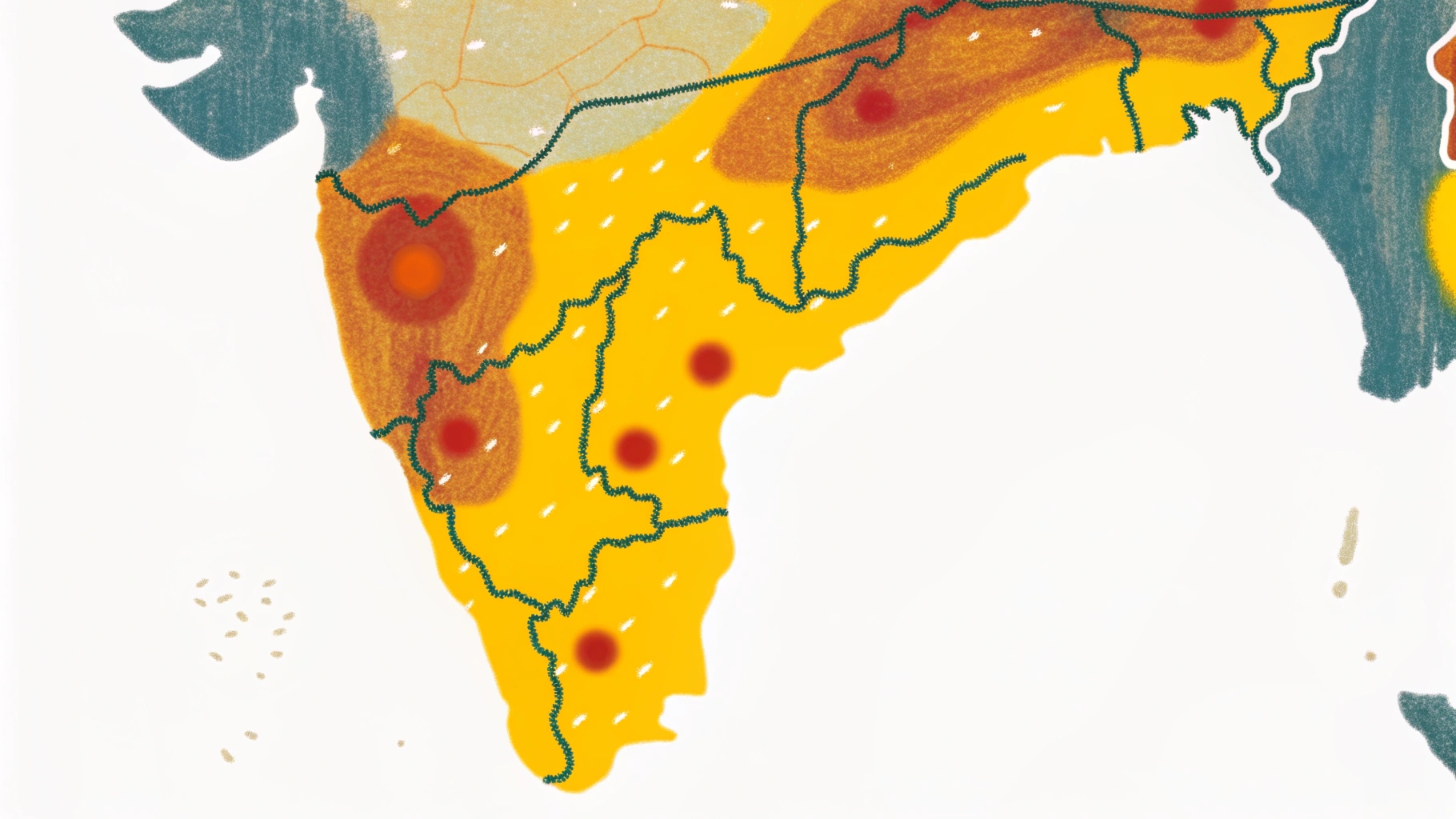
The heatwave is driving temperatures, nighttime heat stress and peak power demand to levels that are hard to absorb.
Explore topic →