
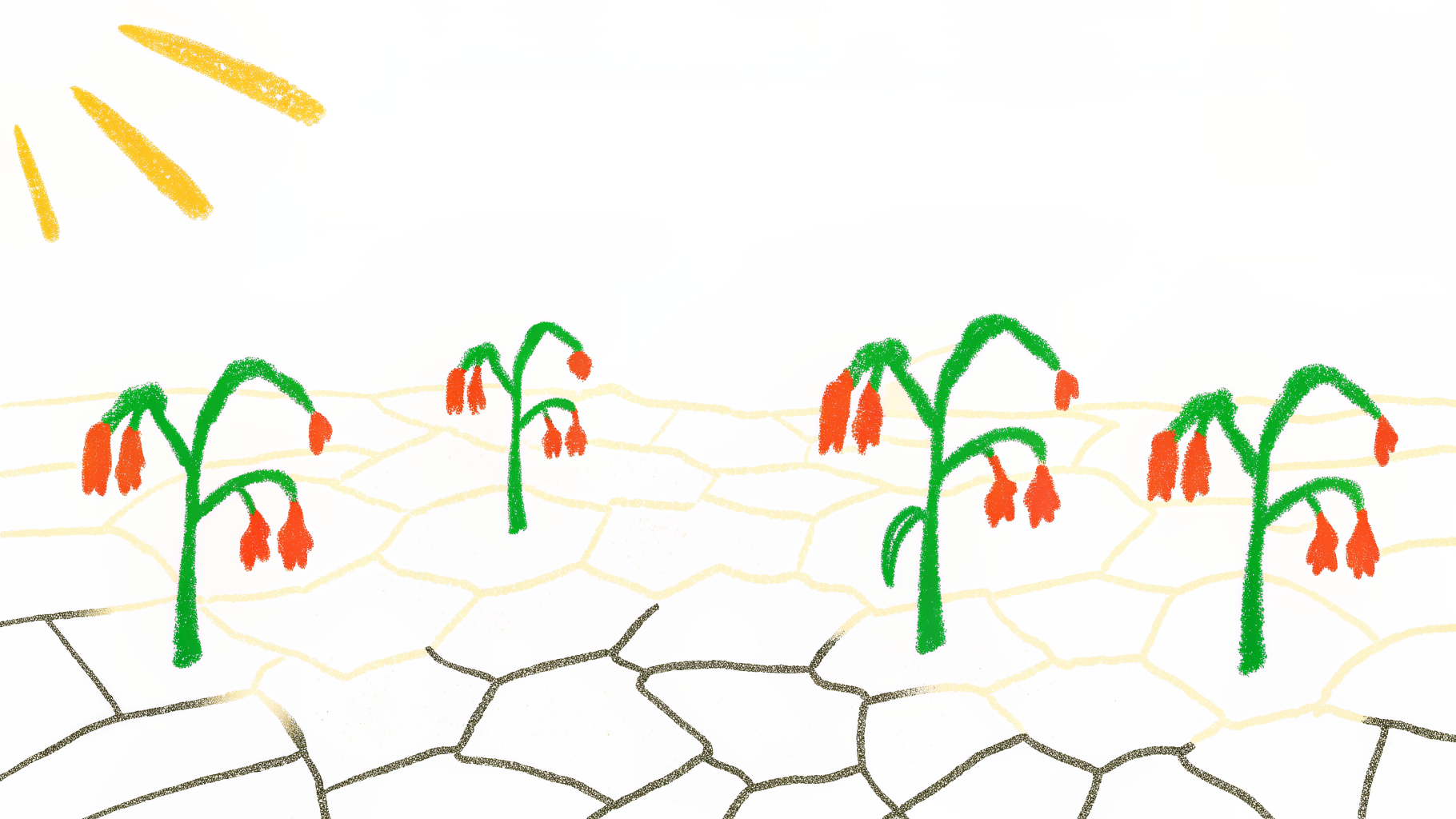
Karnataka drought damages turmeric crop across 13,446 hectares
Lower yields are shrinking spice supplies despite expanded planting areas
Overview
A weak June monsoon left fields too dry and delayed planting in Andhra Pradesh and Telangana by nearly a month. is planted from May to July, so uneven rain can hurt early growth and cut the January to March harvest, even if farmers plant more land. Karnataka reported drought losses across 13,446 hectares. Farmers in Maharashtra, Telangana and faced different conditions. Estimates range from a larger crop to a sharp fall if yields worsen, so the outlook remains uncertain.
Lower from past harvests leave less supply to cover losses. Wholesale prices rose 23.37% from a year earlier, while dry prices rose 35.96%. Late arrivals and strong demand have reduced available supplies. Better rain, fuller reservoirs and replanting have eased fears of widespread crop failure, but final yields and harvest dates remain unclear. Farmers may earn more, while households, processors and exporters may face higher costs and supply problems.
Timeline
Improved rainfall eased immediate turmeric crop-loss concerns, but yields and chilli arrivals remained uncertain
Improved rainfall, better reservoir levels and completed in North Karnataka eased immediate crop-failure concerns. Traders remained cautious about eventual turmeric yields, while delayed red-chilli sowing was expected to postpone arrivals and keep prices sensitive to supply conditions.
Turmeric production estimates split between higher acreage and weather-related yield risks
Industry estimates projected Indian turmeric production to rise about 15% on roughly 20% higher acreage, particularly in Maharashtra, while other estimates projected a 10% decline and warned losses could reach 20% to 25% if dry conditions persisted.
Karnataka’s drought survey reported turmeric losses across most of the state’s cultivated area
A reported turmeric losses across 13,446 hectares in Karnataka, valued at about Rs 188.24 crore. The affected area represented a large share of the state’s estimated 18,000 to 20,000 hectares, deepening concerns that expanded acreage elsewhere might not offset regional yield destruction.
Turmeric acreage was expected to expand, particularly in Maharashtra
Industry estimates projected to increase in 2026, particularly in Maharashtra, while dry conditions during early crop development remained a risk to yields.
Drought conditions later damaged turmeric crops in Karnataka
A joint assessment by Karnataka’s Horticulture and Revenue Departments and the reported turmeric losses across 13,446 hectares, with estimated damage valued at ₹188.24 crore.
Wholesale turmeric and dry red chilli prices climbed sharply year on year
Wholesale turmeric prices were up 23.37% from a year earlier in September, while dry red chilli prices rose 35.96%. Delayed chilli arrivals, lower turmeric stocks, weather uncertainty and continuing domestic and export demand combined to raise costs for households, processors and exporters.
Improved rainfall limited immediate turmeric damage in Maharashtra, Telangana and North Karnataka
Monsoon activity improved across several major growing regions, raising soil moisture and easing fears of widespread crop failure. Better in Telangana and Andhra Pradesh also supported crop development, while was completed in parts of North Karnataka.
Lower turmeric carry-forward stocks reduced the supply buffer
Industry estimates put at about 15 lakh bags, down from more than 20 lakh bags the previous season, reducing the buffer against weather-related crop losses.
Turmeric prices strengthened amid Karnataka drought concerns and tighter supplies
Turmeric prices strengthened as reports of drought-related losses in Karnataka raised concerns about future supplies, while lower and tight supported the market.
Delayed chilli sowing pushed Andhra Pradesh and Telangana arrivals later into the season
Inadequate rainfall postponed planting in the two major producing states by almost a month. Traders and exporters warned that the delay would shift the timing of new-crop arrivals and keep near-term supplies tighter.