
01
Why Modi Cut Fuel Taxes
Published 27 Mar 2026
8 Sept 2026
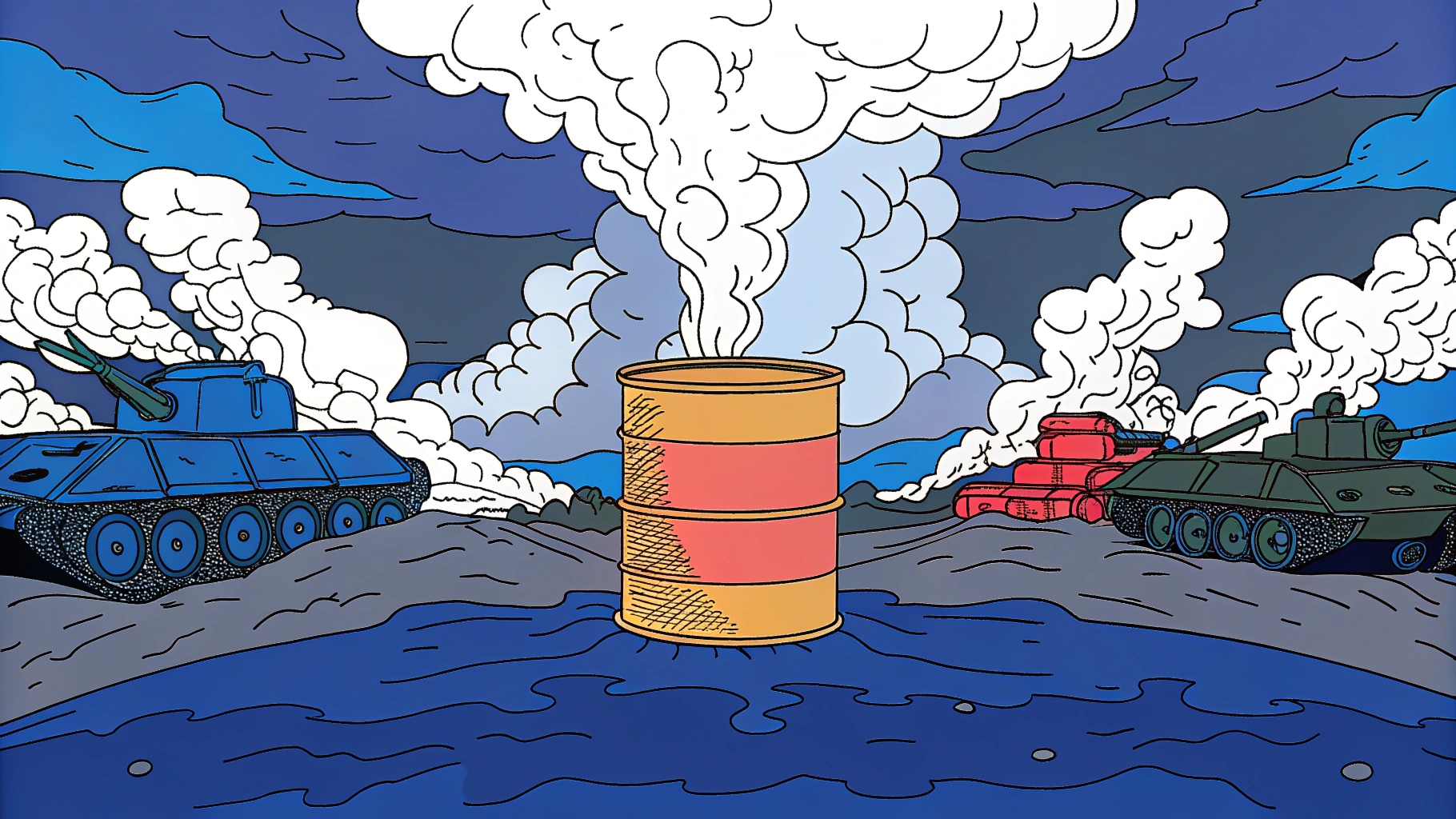
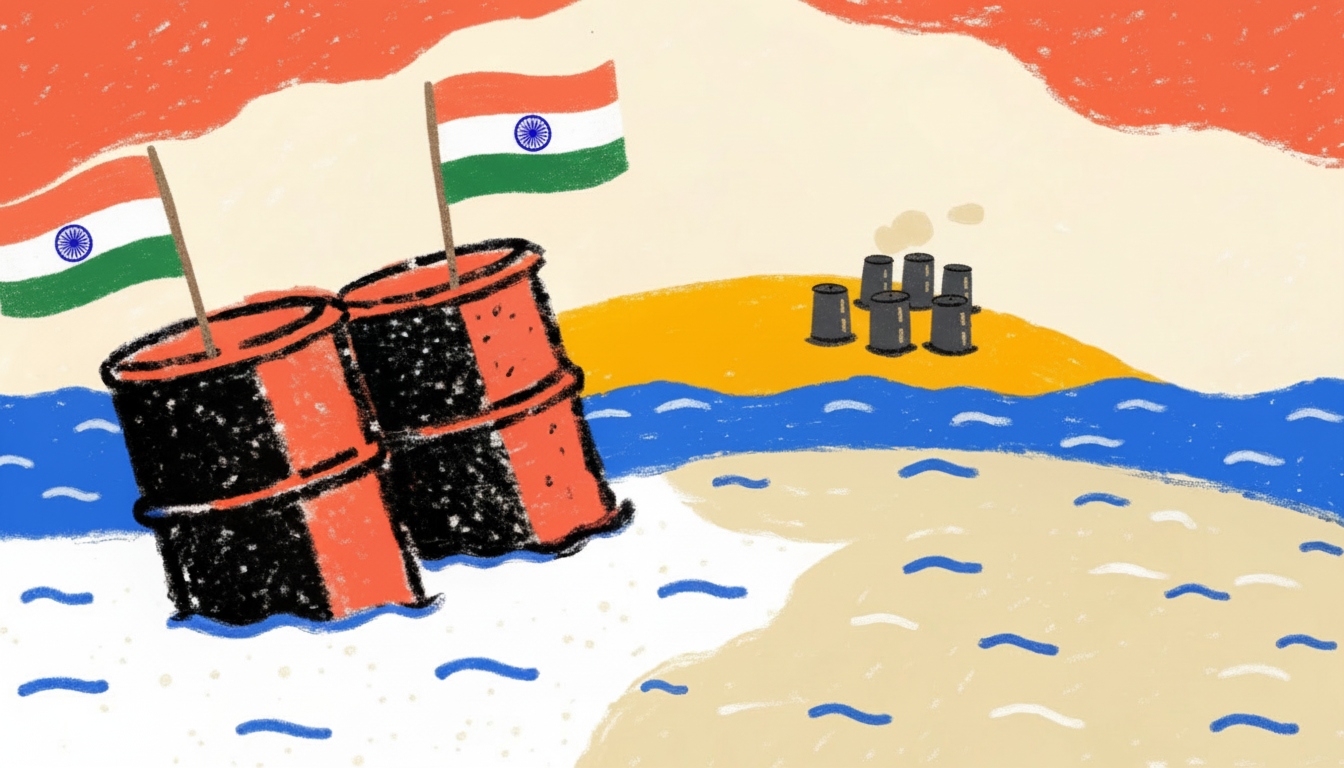
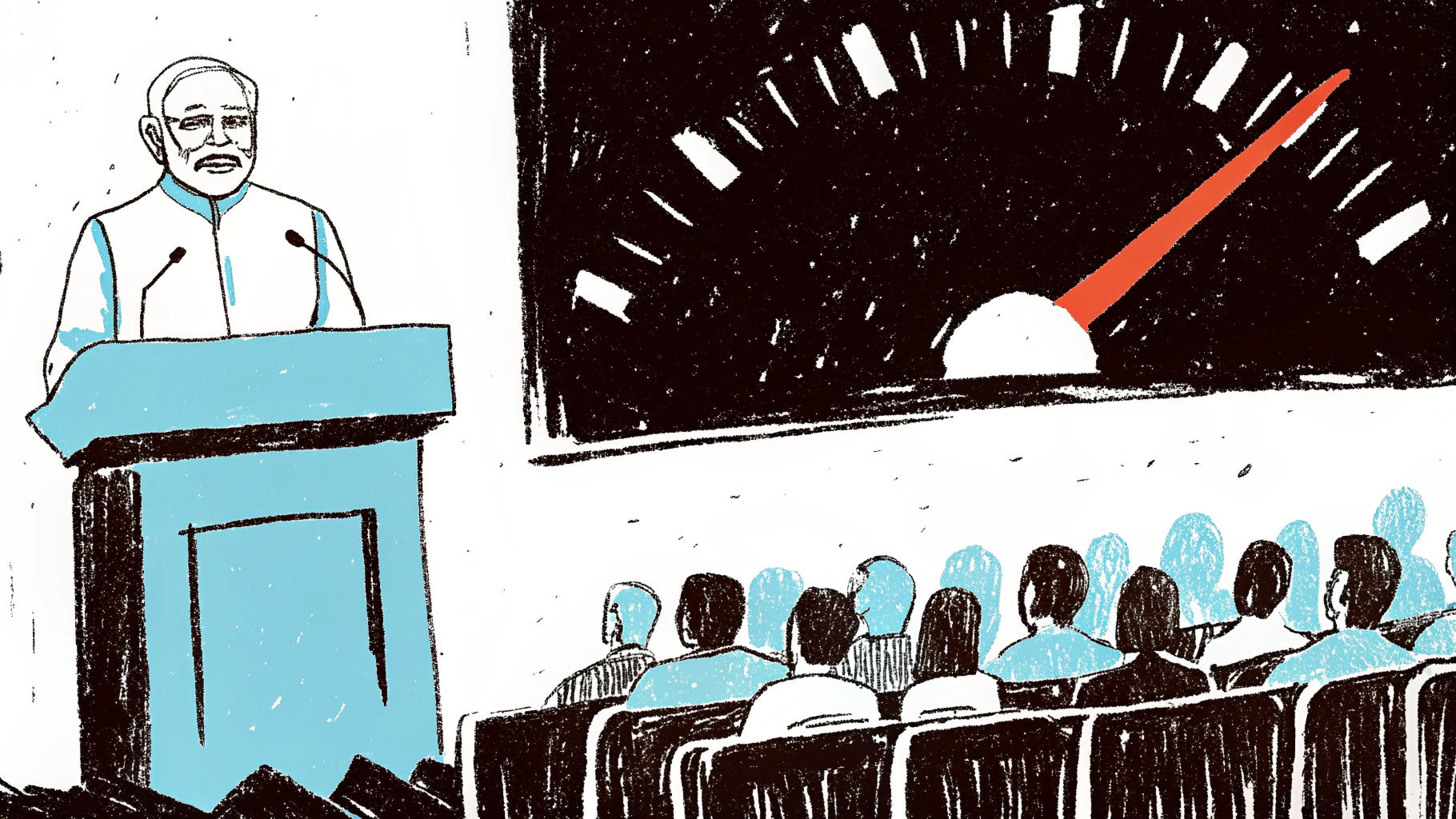
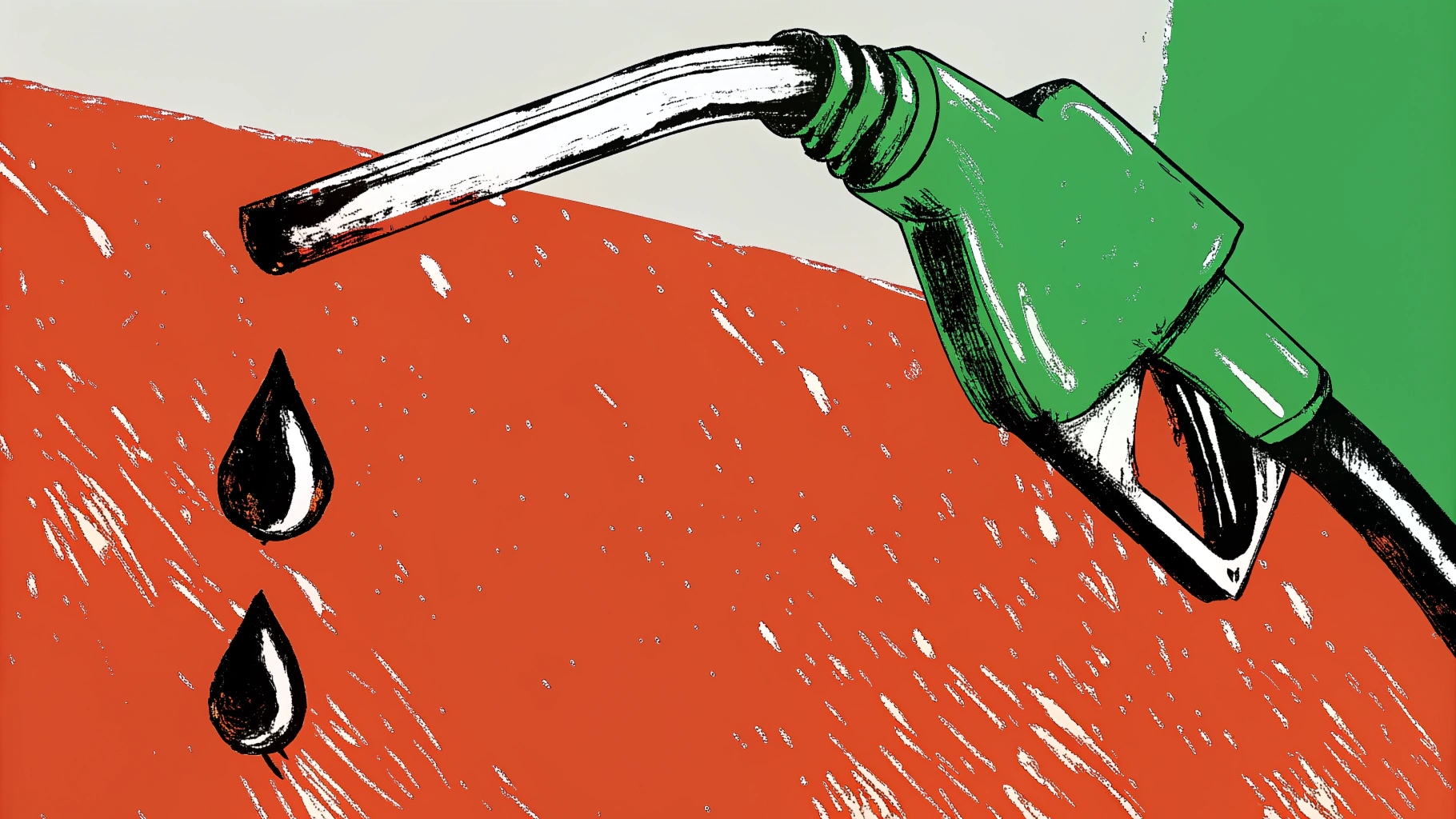
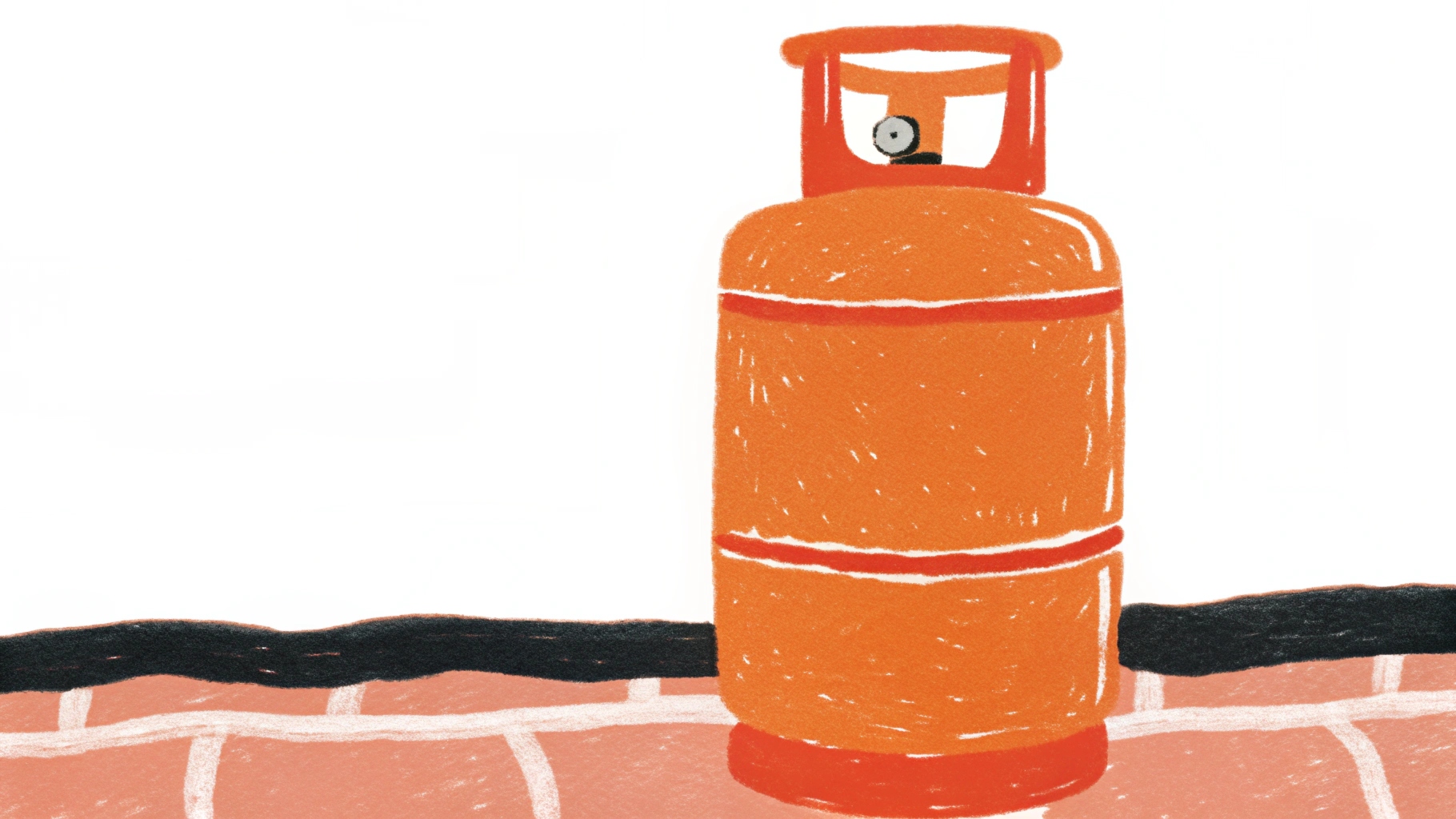
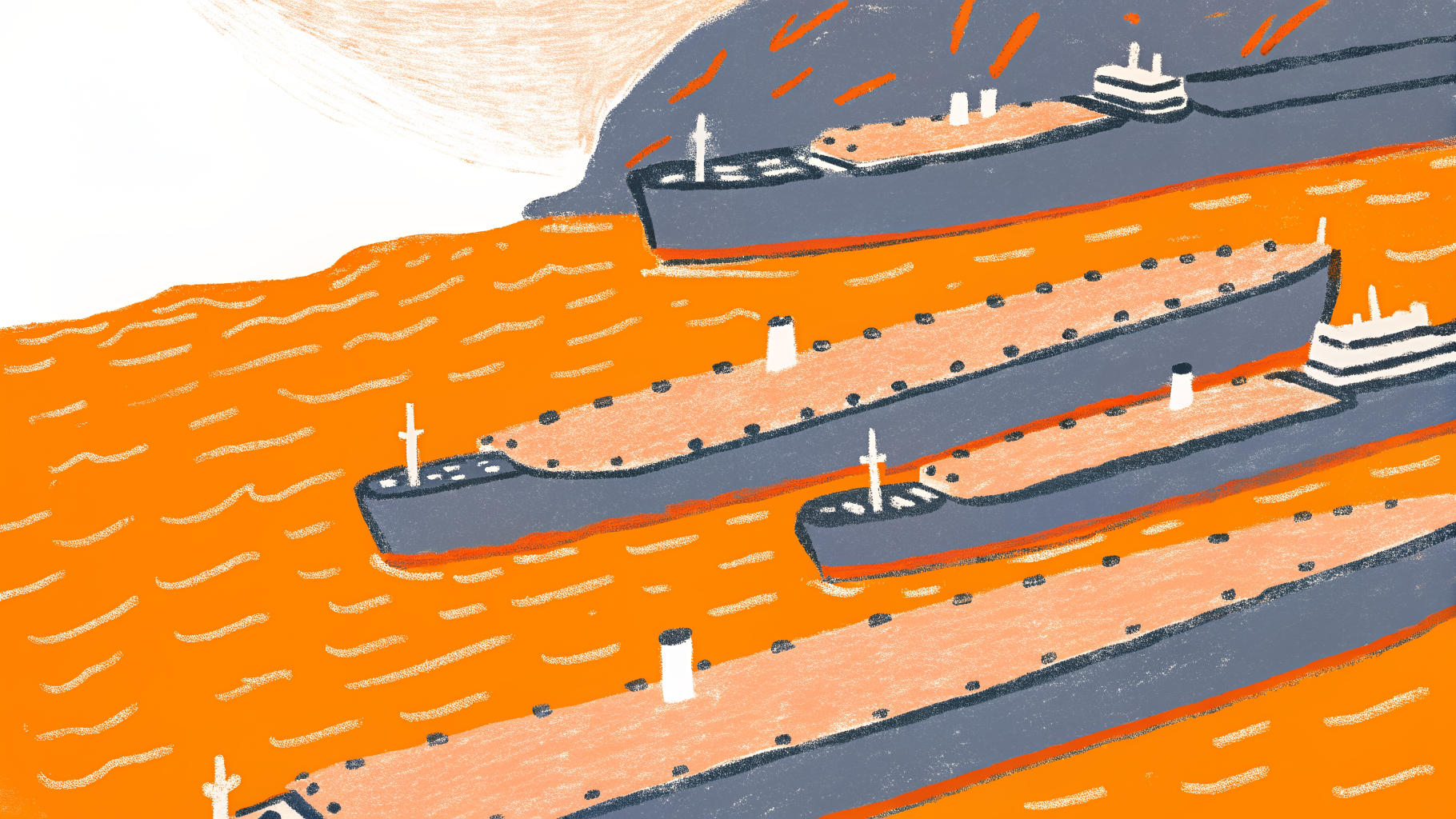
India's economy faces a severe fuel crisis triggered by the 2026 Iran war, which closed the Strait of Hormuz and disrupted shipping routes carrying roughly 90 percent of the nation's liquefied petroleum gas imports and half its crude oil. This geopolitical shock has forced global oil prices to surge, straining India's foreign exchange reserves and threatening to spike domestic inflation across transport, food, and household sectors. Prime Minister Narendra Modi has responded by urging voluntary austerity, implementing work-from-home mandates in Delhi, and cutting excise duties to shield consumers, while states begin restricting official travel and promoting conservation. The crisis exposes India's heavy reliance on Middle Eastern energy imports and has prompted a strategic pivot toward discounted Russian oil and increased coal power to meet summer demand. What remains at stake is the stability of India's growth trajectory, the political fallout from rising household costs, and the potential for a temporary shift back to polluting fuels like kerosene and wood as cooking gas supplies tighten.
Published 27 Mar 2026
Published 8 Apr 2026

Published 28 Apr 2026
Published 1 May 2026
Published 11 May 2026

Published 15 May 2026
Published 19 May 2026
Published 7 Jun 2026
Published 22 Jun 2026
Published 15 Jul 2026
Published 8 Sept 2026