
World
Riyadh evacuates airport after strike kills 12 and injures 309
The attack exposes how regional fighting now disrupts international passenger travel.
The attack exposes how regional fighting now disrupts international passenger travel.
A missile strike at Riyadh’s main airport killed 12 people and wounded 309. All flights were then canceled or sent to other airports. The attack came after a collapsed and struck Saudi airports, energy sites and other targets. Saudi officials blamed the , but responsibility for this strike was disputed at first. No proof showed Iran directly took part.
The shutdown disrupted travel for Riyadh’s roughly 8 million residents and showed the danger of attacks on civilian sites. Saudi Arabia considered how to respond. President Donald Trump said the United States might join Saudi attacks on the Houthis. U.S. action could spread the conflict, threaten air travel and shipping, and make peace talks harder. Better defenses might prevent more attacks, but could also increase tensions.
Saudi Arabia was weighing its military response after the airport attack, while Trump’s statement left open possible in strikes on the . No confirmed U.S. operation or definitive new Saudi targeting decision was reported in the available accounts.
The attack turned a major civilian airport into a direct battlefield and forced authorities to manage evacuation, suspended operations and widespread flight disruption. The episode raised immediate concerns about , and the risk to international travelers.
The Saudi-reported number of injured rose to 309, with some victims described as . This replaced the earlier reports of dozens injured, while the exact circumstances of every casualty were not detailed in the initial coverage.
Saudi later reported that 12 people had been killed in the Riyadh airport attack. The dead included four Saudis and nationals of Bangladesh, the United States, Jordan, Palestine, Syria, Sudan and Egypt.
The Houthis were widely described as or Iran-aligned, and they claimed responsibility for the Riyadh airport attack. Available reporting did not establish that Tehran this specific strike.
President Donald Trump said the United States might join Saudi strikes against the Houthis. He said Washington would examine the latest attack and make a decision, but announced no or .
Saudi officials and regional sources attributed the escalating to Yemen’s Houthi movement. The Houthis had claimed earlier Riyadh airport attacks, but they did not immediately claim the latest strike in initial reports.
Initial accounts described dozens wounded after the missile struck the terminal complex. Early reporting differed on the number of casualties and on whether the Houthis had claimed responsibility for this specific strike, making the first figures provisional.
Saudi confirmed that an attack hit Riyadh airport and . Flights were diverted or canceled, disrupting and leaving passengers affected across the region.
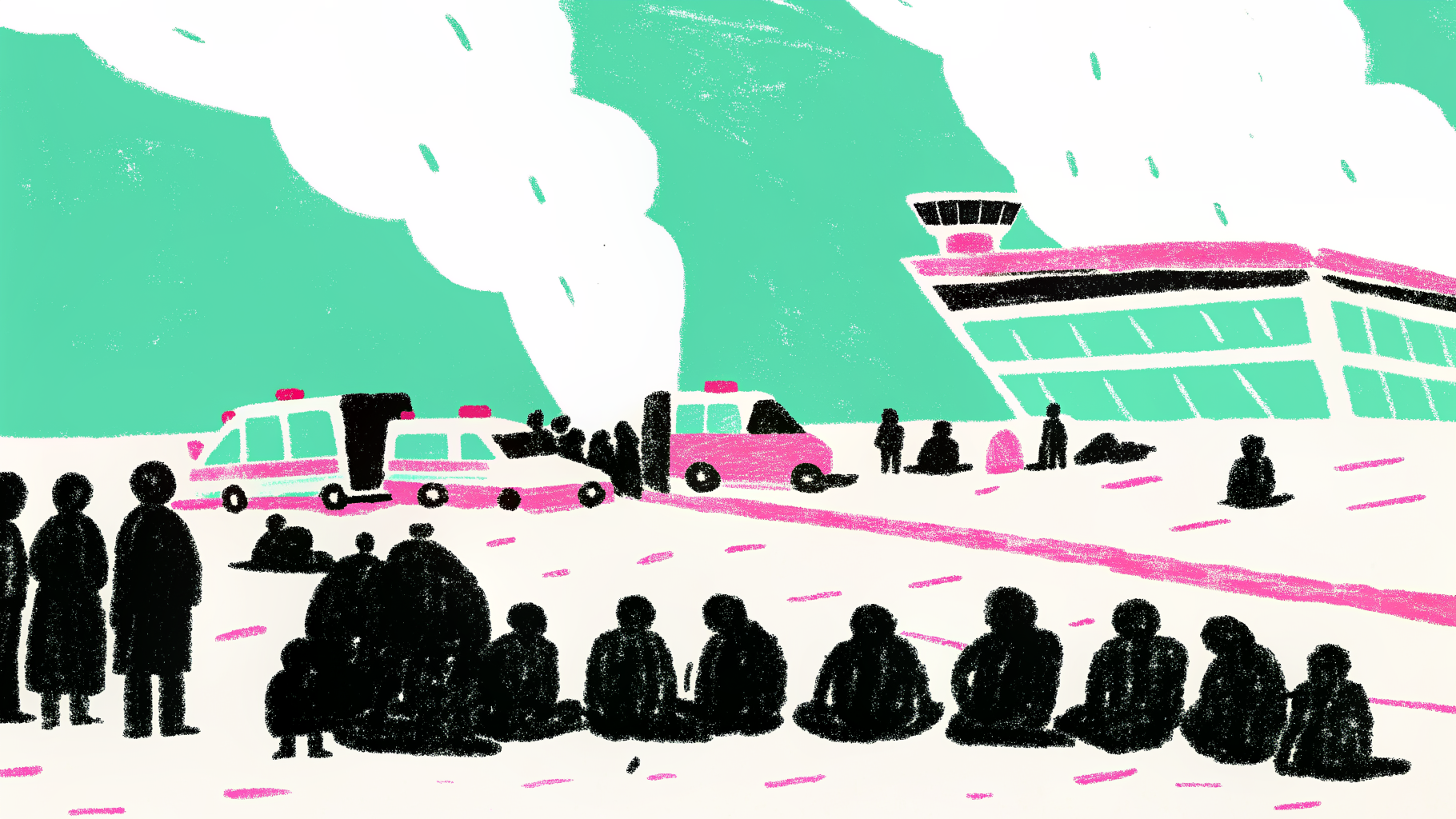
A missile struck the complex housing at King Khalid International Airport, which handles domestic flights. The impact caused panic and prompted an , with regional officials reporting many people wounded.
The Houthis claimed another attack on Riyadh’s King Khalid International Airport as missile strikes continued through the week. Saudi authorities and the Houthis gave of the campaign, while independent reporting confirmed the wider escalation but not every claimed or impact.
The Houthis claimed an attack on in Riyadh. Three Saudi citizens died, including a pilot, according to reporting on the incident. The strike became the to the later, deadlier airport attack.
The Houthis escalated attacks from Yemen against Saudi targets, including airports, and . Saudi Arabia said its intercepted some incoming missiles, while available reporting did not independently establish the extent of damage in every incident.
A in Yemen’s long-running conflict unraveled in July, reopening direct hostilities between the and forces backed by Saudi Arabia. The breakdown preceded a renewed against Saudi airports, energy facilities and other targets.