
World
Missile damages Aramco office tower as Saudi attacks escalate
Intercepted missiles still expose civilians and critical energy sites.
Intercepted missiles still expose civilians and critical energy sites.
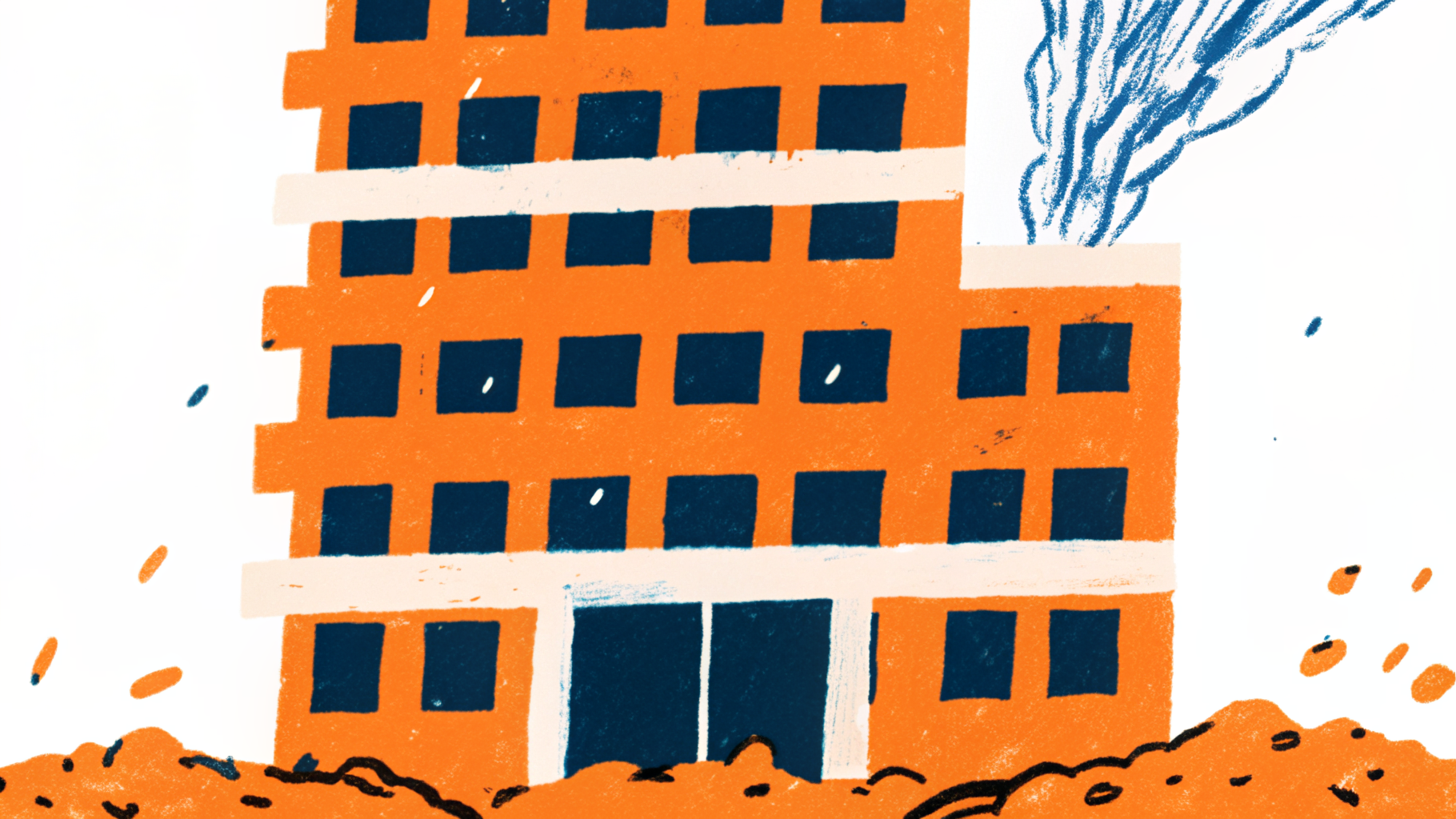
A missile damaged an office building at ’s complex in . Falling debris reportedly injured four people in Riyadh. Saudi officials said the fire was contained, and intercepted another missile. No one was reported killed at the Aramco site. There was no confirmed effect on oil production, exports or refining.
The attack is part of the wider conflict between Saudi Arabia and the . The have often attacked Saudi energy and civilian sites, while strike Houthi areas in Yemen. Aramco supports Saudi Arabia’s economy and global oil supplies. The incident shows that intercepted missiles can still hurt civilians. A larger strike could raise oil, shipping and insurance costs worldwide. The attackers and the full extent of the damage remain disputed.
The Dhahran incident heightened concerns about Saudi and . Reporting did not establish a disruption to Saudi oil output or exports, while broader effects on global energy markets and India remained potential risks rather than documented consequences of the incident.
Available official and media accounts described damage to an administrative Aramco building and did not report confirmed interruptions to oil production, refinery operations, pipelines, terminals or exports. That distinction matters because Aramco’s headquarters is symbolically and strategically important, but it is not itself a crude-processing or export facility. Any prolonged threat could nevertheless raise insurance, shipping and concerns.
Reports said falling debris in Riyadh injured four people, while additional fragments fell in a residential area of Dhahran. No injuries were reported at the Aramco building itself. The incidents illustrated how interception can reduce the chance of a direct strike while still creating civilian risks on the ground.
Saudi Arabia’s Ministry of Energy said an attack struck an administrative building belonging to and caused a limited fire. The ministry said authorities responded and that no deaths or injuries were reported at the building. The coalition separately said intercepted and destroyed a aimed at Dhahran.
A source with knowledge of the incident said a missile hit an Aramco in Dhahran and damaged its top three floors. Other reporting said the building was on fire, but the extent and precise cause of the damage were initially unclear. The reported target was an , not confirmed .
Loud booms were heard near Saudi Aramco’s headquarters complex in , and sources reported an evacuation and a fire. Initial accounts differed over whether the complex had been struck directly or damaged by debris from an intercepted missile. The Saudi-led coalition said missile fragments fell in a after an interception.
Houthi warnings named major Saudi facilities, including the Aramco headquarters area in the and the in Riyadh. The threats functioned both as retaliation messaging and as a warning that the conflict could reach the kingdom’s . Saudi defenses were placed under pressure across several cities.
Saudi-led coalition forces carried out strikes against , including targets around Sanaa, as fighting intensified. The Houthis presented the attacks as for coalition operations and continued issuing warnings against Saudi sites. Neither side’s claims alone established the full extent of damage or military effect.
The Houthis expanded missile and drone claims against Saudi military and . Saudi authorities reported , falling debris and fires, while accounts differed over impacts at airports and other facilities. The escalation increased concern about civilian exposure when destroy projectiles over populated areas.
On October 4, 2026, statements claimed missile and drone attacks on facilities in Riyadh and the area. officials called the claims misleading, and independent reporting did not establish major damage or disruption to oil production.
On March 20, 2022, Saudi officials said missiles and drones targeting areas including were intercepted. reporting also said attacks on caused a temporary reduction in production, with no casualties reported.
The Houthis said and drones targeted Saudi Aramco facilities in Riyadh. Saudi authorities and the Saudi-led coalition rejected or downplayed the claim, reporting rather than confirmed operational damage. The statement expanded the claimed target set from coastal and production facilities to the capital’s energy infrastructure.
A Houthi attack caused a fire at a Saudi Aramco in during the Formula One weekend. Saudi officials said the incident did not cause casualties or interrupt supplies, although the fire was visible near the race venue. The episode reinforced the risk to , not only oil-production sites.
The Houthis claimed missile and drone attacks against Saudi Aramco facilities, including an oil terminal at and targets in the Eastern Province. Saudi authorities reported and limited damage, while the group described the operation as retaliation for the Yemen war. The competing accounts made independent verification difficult.
Coordinated attacks hit Saudi oil-processing facilities at and , temporarily disrupting a major share of the kingdom’s crude production. The Houthis claimed responsibility, while Saudi Arabia and the United States blamed Iran, which denied involvement. The attacks demonstrated the vulnerability of Gulf energy infrastructure to drones and .
Saudi Arabia began leading a coalition against the in Yemen after the group seized much of the capital, . The conflict made Saudi territory a recurring target for Houthi missiles and drones. Saudi energy facilities later became strategic targets because is central to the kingdom’s economy and export system.