
World
Pakistan Bars Imran Khan Protest Near Adiala Jail
Authorities cite public order, while PTI keeps the rally alive.
Authorities cite public order, while PTI keeps the rally alive.
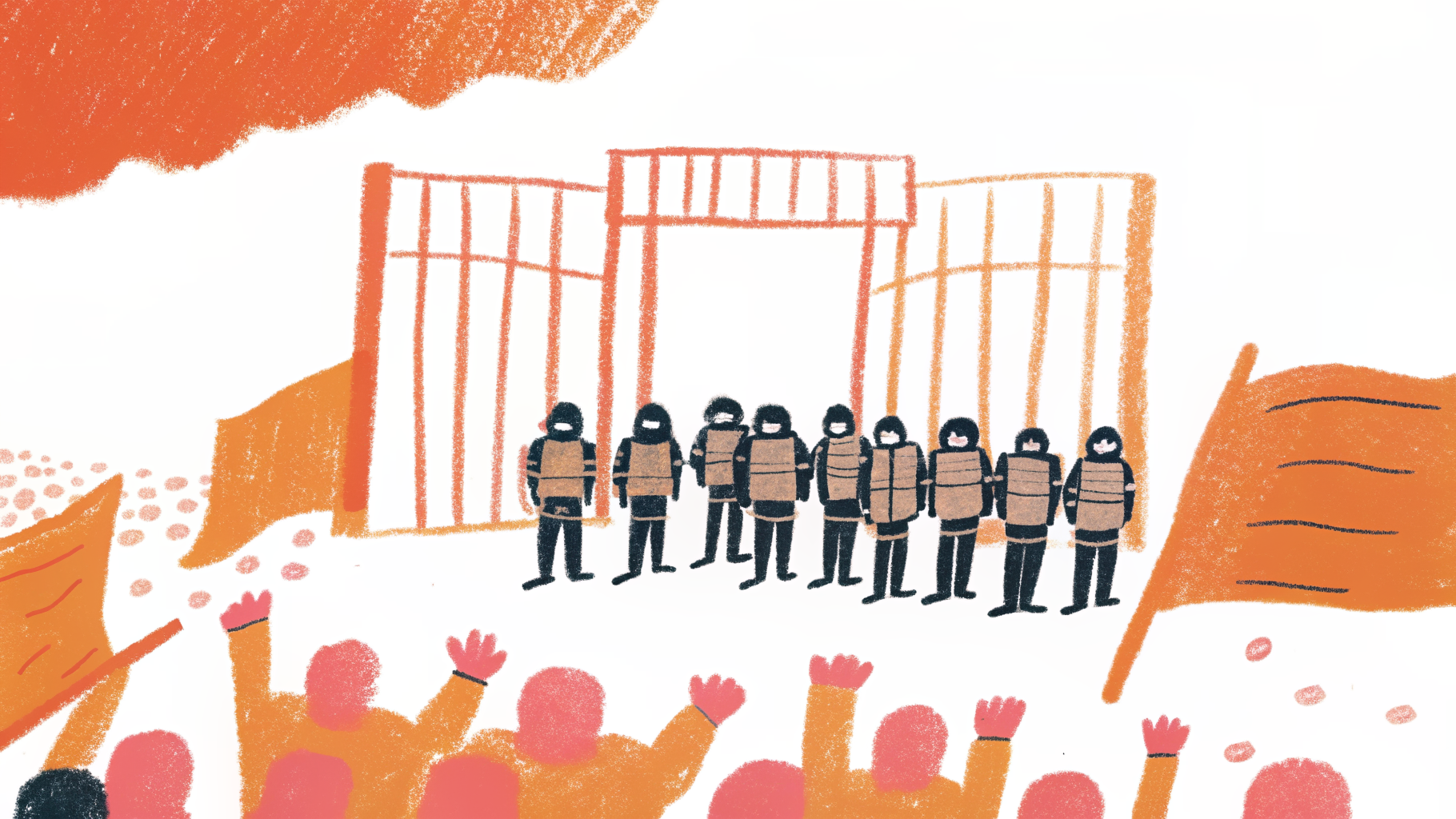
Imran Khan’s supporters are being kept away from a protest hot spot near , where the jailed former prime minister is being held. In Pakistan’s Punjab province, officials have detained several of his relatives and other figures under , saying they want to stop unrest. says the move is really meant to block a protest, not protect public safety, and has gone to court.
The dispute now mixes street politics, pressure on Khan’s family, and court review. For people in Pakistan, it shows how fast a protest can lead to wider crackdowns and legal fights. It also raises the risk of clashes, while leaving open whether the state is easing tensions or making them worse.
With the protest still set for September 27, emerged as the symbolic center of the confrontation because it holds Imran Khan and sits at the heart of ’s mobilization plan. Imran Khan’s son Kasim urged supporters not to march near the jail, warning it could endanger his father’s life and give authorities a pretext for escalation. The dispute now centers on whether the state can around the jail without deepening the political crisis.
Punjab authorities cited public safety and maintenance of order as the reason for the , with reports saying police had recommended the action. The detention orders described the relatives as a risk to , which officials used to justify preemptive custody ahead of the protest. The government position made the case a test of how far preventive powers can be used against .
The Lahore High Court refused to immediately , even as it issued notices to the and other officials. Reports said the court kept the challenge alive for further arguments rather than granting instant relief. The decision left the family members in custody and the state’s preventive action intact for the moment.
The did not immediately end the detentions, instead asking the Punjab government and other respondents to submit their positions. The court first sought arguments on whether the and set the matter for further hearing. That step signaled judicial caution while leaving the in place.
A petition was filed in the challenging the detention orders against Aleema Khan, Uzma Khan and Noreen Niazi and seeking their immediate release. The filing argued that the MPO orders should be invalidated and the women freed. This moved the dispute from the street into .
PTI figures argued that the detentions were designed to suppress the planned protest rather than answer any immediate threat. The party kept tying the mobilization to Imran Khan’s imprisonment and demanded his release ahead of the rally. The response turned the family detentions into a political flashpoint, not just a policing action.
Shortly after Aleema Khan’s detention, Punjab authorities detained Dr Uzma Khan and Noreen Niazi for 30 days under the same public-order law. The detention orders said they were being held because they were considered prejudicial to and the . The sweep widened the crackdown from one family member to multiple close relatives of the PTI founder.
Aleema Khan was taken into custody in Lahore under a 30-day detention order issued by the under the . Officials said the measure was meant to prevent disorder and maintain public safety ahead of the PTI protest. The detention marked the start of the state’s direct effort to disrupt the family-centered mobilization around Imran Khan’s imprisonment.
said it would go ahead with a September 27 protest demanding Imran Khan’s release, with the planned march focused on in Rawalpindi. Party leaders framed the rally as a push for Khan’s freedom and access to family and lawyers, while authorities viewed it as a likely trigger for confrontation. The protest call became the immediate catalyst for the detentions that followed.
Punjab authorities issued 30-day orders under the against Aleema Khan and later other relatives of Imran Khan, saying they were prejudicial to public safety and public order. The move came ahead of PTI’s planned September 27 protest and signaled that officials were treating the mobilization as a public-order threat. Reports said the orders followed police recommendations and were aimed at stopping unrest before it reached Adiala jail.