
World
Xi Jinping Confirms New Delhi BRICS Visit For September Summit
Border easing may open limited business thaw despite tighter controls.
Border easing may open limited business thaw despite tighter controls.
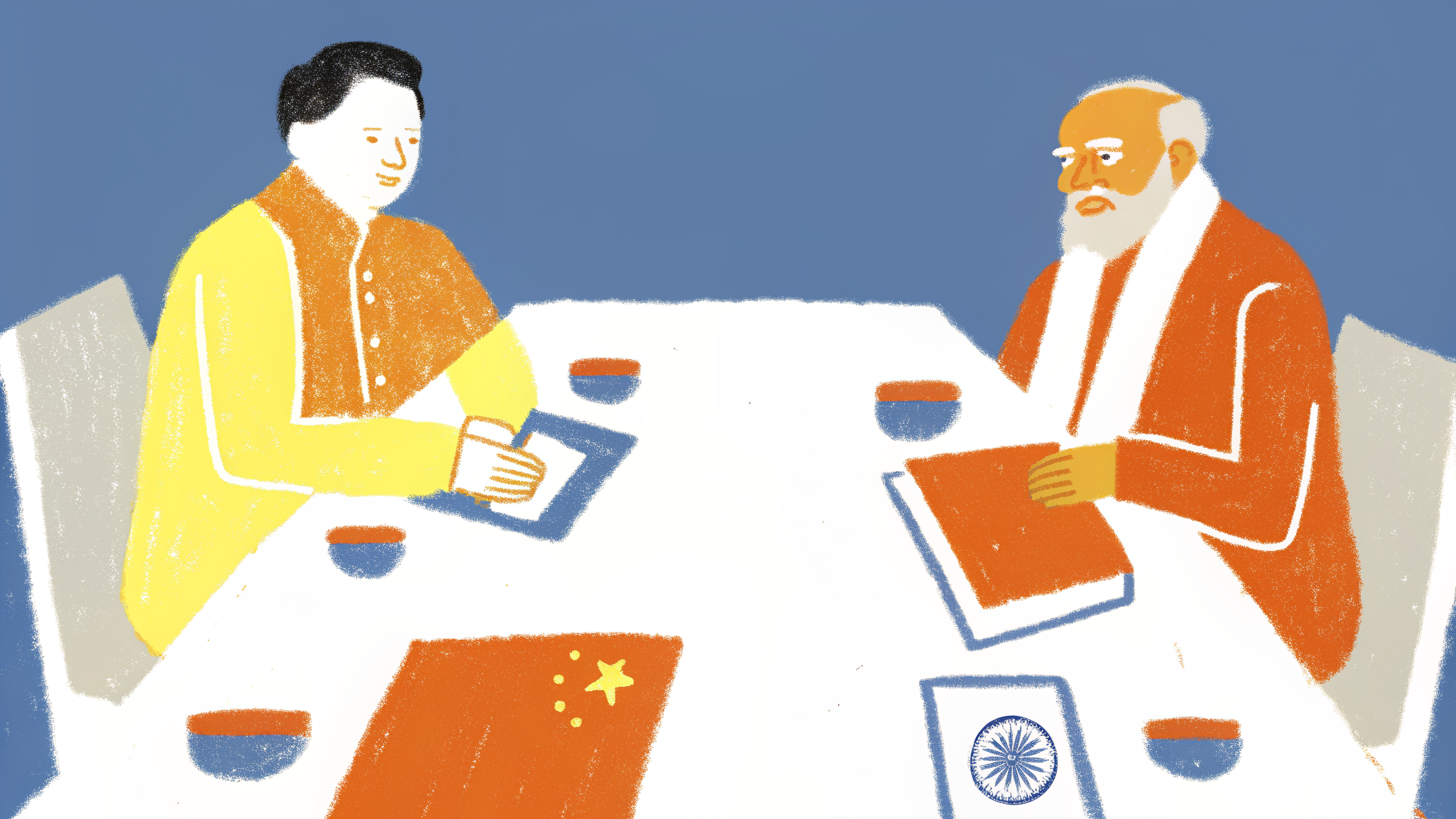
Xi Jinping’s attendance at the New Delhi summit would test whether India and China can turn a fragile into a broader political reset after the . The relationship remains defined by deep mistrust, with security concerns and tighter controls on , visas and technology still limiting normal business even as both sides have reasons to stabilize ties and avoid another crisis.
Even with summit diplomacy improving, the main constraints on business remain in place, including , , and . That means any thaw is likely to be selective, helping some suppliers and investors while leaving deep intact.
Confirmation that Xi Jinping will attend the summit in New Delhi on September 12 to 13 made the gathering the most important India-China diplomatic moment in years. The announcement sharpened expectations for , possible , and limited commercial normalization.
Reporting speculated that Xi Jinping could meet Narendra Modi on the if Xi attended the summit.
Reporting emerged that Xi Jinping was likely to attend the BRICS summit in New Delhi with a large , his first India visit in seven years. The news immediately raised the and turned the summit into a major test of the India-China thaw.
Indian government replies in parliament showed that the remained in force, with approvals still required for many Chinese-linked investments. Officials also said were being handled within existing rules, underscoring that normalization was still tightly managed.
By late 2025, reporting described a that included resumed talks on trade and economic issues, alongside steps to restore . The relationship was still cautious, but the contacts showed that both sides were working to prevent the freeze from hardening again.
India and China restarted their after a long pause, adding a formal channel for . The talks were another sign that both sides wanted to manage the dispute more systematically rather than leave it to crisis control.
Narendra Modi and Xi Jinping held their first formal in five years on the sidelines of the in . The meeting signaled a tentative reset, with both sides emphasizing border peace and the need to stabilize the relationship.
India said military negotiators had reached an agreement on at the remaining in Depsang and Demchok. This was the key de-escalation step that made a broader thaw possible and helped lower the risk of immediate confrontation.
Trade continued even as the political relationship deteriorated, creating a split between strategic distrust and . Chinese firms still mattered to Indian supply chains, but approvals, , and policy uncertainty limited any real normalization.
After Galwan, India increased scrutiny of Chinese firms, opened , and tightened for Chinese nationals. Commercial ties did not collapse, but the environment for executives, engineers, and suppliers became much harder.
Indian and Chinese troops clashed in the , causing deaths on both sides and transforming the relationship into an openly damaged rivalry. The clash became the central trigger for a wider freeze in political trust, military confidence, and cross-border engagement.
Tensions on the escalated sharply in spring 2020 as Indian and Chinese troops massed in . The border crisis set the stage for the deadly clashes that followed and froze the political atmosphere between the two governments.
India amended its rules after the pandemic, requiring government approval for investment from neighboring countries, including China. The move was meant to block and became a lasting barrier to Chinese capital in .