
Rawalakot clashes kill Rangers officer and four attackers
Unverified identities of the four dead leave authorities and protesters disputing responsibility for the latest escalation.
Overview
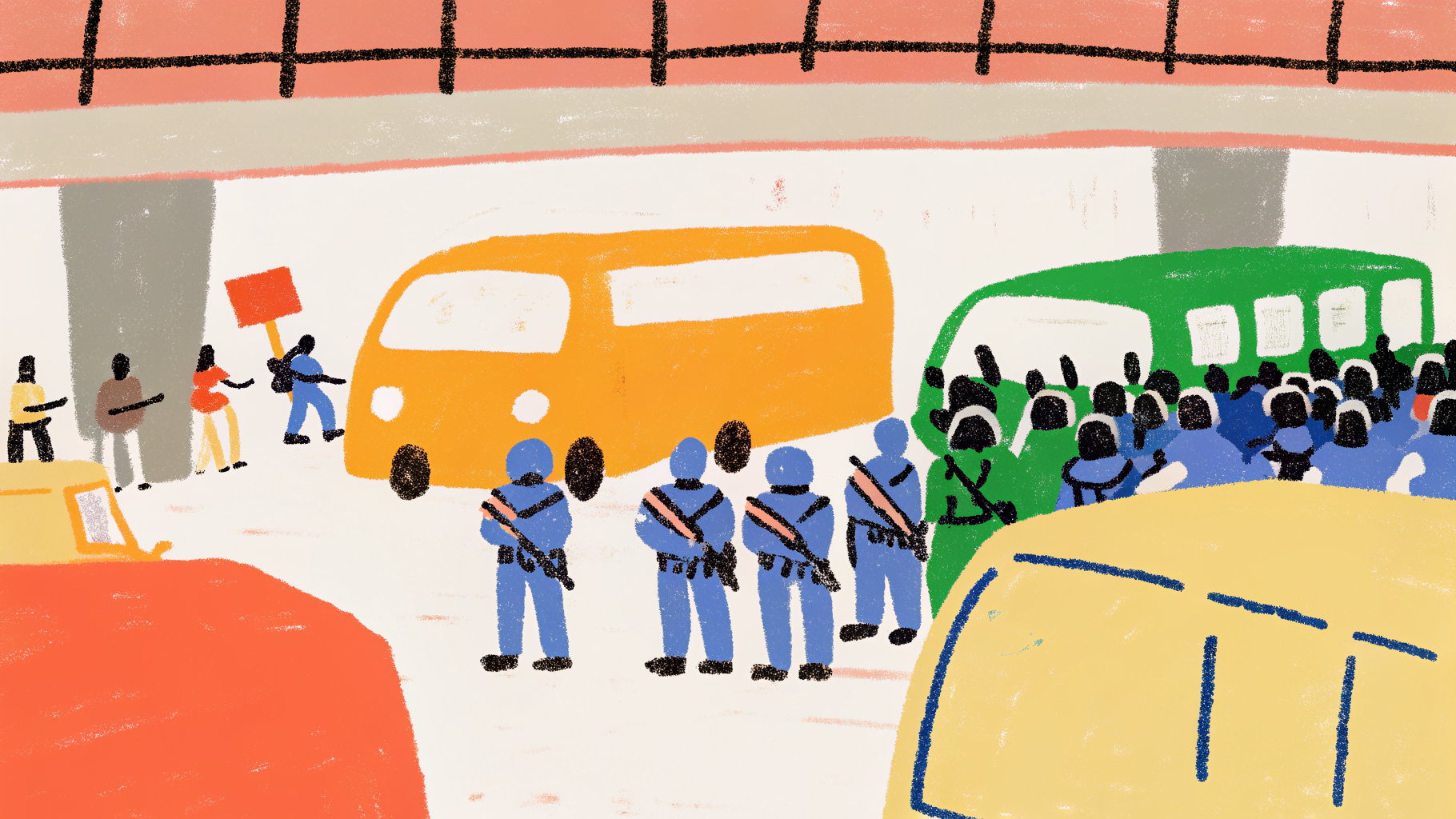
Months of protests in over high electricity bills, political privileges and weak accountability turned deadly in Rawalakot. On November 5, , personnel and local police moved to remove sit-ins at Matialmera Bus Terminal, Umar Farooq Chowk and other sites. Authorities said armed men attacked police. The and opposition groups said security forces used excessive force, drones and heavy weapons. Claims of civilian deaths range from three to seven, with at least 18 injured, but remain disputed.
soldier died on November 9 from earlier wounds. On November 17, police said Deputy Superintendent was shot near the bus terminal. Police said four armed attackers died in return fire. Their identities and links to the protests remain unverified. The violence puts civilians at greater risk while talks, accountability and the extent of federal control remain unresolved.
Timeline
Four suspected armed attackers were reported killed after Barkat Ali was shot
Police and other reports said security personnel returned fire after armed individuals opened fire near the , killing four suspected attackers. Their identities and any affiliation with were not independently confirmed.
Rangers Deputy Superintendent Barkat Ali was fatally shot near Rawalakot's bus terminal
AJK Police said armed individuals opened fire on security personnel deployed near the Matialmera Bus Terminal, striking Rangers Deputy Superintendent Barkat Ali in the head. Barkat Ali was taken to in Rawalakot but later died from his injuries. The police account identified an armed attack but did not independently establish who initiated the exchange or whether the attackers were linked to the JAAC.
The Jammu Kashmir Joint Awami Action Committee expanded sit-ins over local economic and political demands
The JAAC-led movement maintained sit-ins and road blockades in Rawalakot and other parts of Pakistan-administered Kashmir. Protesters demanded relief on electricity and other living costs, changes to political privileges, and greater accountability from AJK authorities. The prolonged demonstrations brought local police, AJK officials and federally deployed and forces into an increasingly tense dispute over access and security control.
Sindh Rangers Naik Bostan Khan died from wounds sustained in the Rawalakot clash
Naik Bostan Khan died after being critically wounded during firing at an post on November 5. said armed members of a opened fire and that Khan had been deployed with local police at the authorities' request to help maintain law and order. Protest and opposition groups disputed the broader security narrative and called for an end to alleged excessive force and a return to negotiations.
Protest groups reported civilian deaths and alleged Pakistani forces used drones and heavy weapons
The United Kashmir People's National Party said seven people, including children, were killed and 18 were injured when security forces allegedly fired on protesters and used drones near the Rawalakot sit-ins. The group also alleged the use of armoured vehicles and heavy machine guns. Those casualty figures, the alleged drone strikes and the identities of the dead were not independently confirmed in the available reporting, while official accounts focused on attacks against security personnel.
Security forces moved against Rawalakot protest sites and took control of the bus terminal
Law-enforcement personnel moved against sit-ins near the , Umar Farooq Chowk and other Rawalakot locations on November 5. Police said armed protesters fired at officers, while JAAC and other protest accounts said security forces initiated the operation.
JAAC and political groups called for talks and civilian protection as accounts of Rawalakot violence remained disputed
and allied groups called for an end to the use of force, civilian protection and renewed talks. Police blamed armed individuals allegedly linked to for attacks, while protest groups disputed responsibility for the violence and reported civilian casualties and alleged heavy weapons or drone use.