
World
US Strikes Iran After Two Troops Killed in Jordan Attack
How did the Jordan attack trigger the eighth night of US airstrikes?
How did the Jordan attack trigger the eighth night of US airstrikes?
The US launched its eighth consecutive night of airstrikes on Iran after an Iranian missile and drone attack in Jordan killed two American service members, marking the first US combat deaths from Iranian fire since March. This retaliation occurs just one week after a fragile mid-June ceasefire collapsed, pushing the conflict toward full-fledged war as the US reinstates a on Iranian ports and threatens to target Iran's energy infrastructure.
Iran's Health Ministry reported at least in recent US airstrikes, while Trump warned more US deaths are likely, pushing the conflict toward an uncontrolled escalation. The US and Iran have widened the scope of targets, leading to broader concerns about an all-out war amid fighting for control over the Strait of Hormuz.
On July 18, Iran retaliated by attacking after the seventh night of US strikes, escalating the war further and threatening regional stability beyond the blockade. Iran's army reported hitting US assets in Bahrain, Jordan, and Kuwait, while Kuwait confirmed a fire at a power and desalination plant.
stated the strikes aim to degrade Iran's ability to attack civilian mariners in the Strait of Hormuz and respond to IRGC forces that attacked US personnel in Jordan. The command emphasized the strikes were designed to swiftly punish the forces responsible for the Jordan attack.
At 6pm ET on July 18, US warplanes hit Iranian targets for the eighth consecutive night, targeting IRGC forces and logistics infrastructure to diminish Iran's capacity to threaten commercial shipping. The strikes aimed to degrade Iran's ability to attack civilian mariners in the .
President Trump directed the military to launch strikes to '' Iran, framing the response as necessary to hold Iranian forces accountable for attacking American personnel. The order targeted Islamic Revolutionary Guard Corps forces responsible for the Jordan attack.
US Central Command reported the deaths and the missing service member, confirming the attack as the most lethal incident against US forces since the ceasefire agreement was established. The announcement brought the total US military fatalities in the conflict to 16, with over 430 wounded.
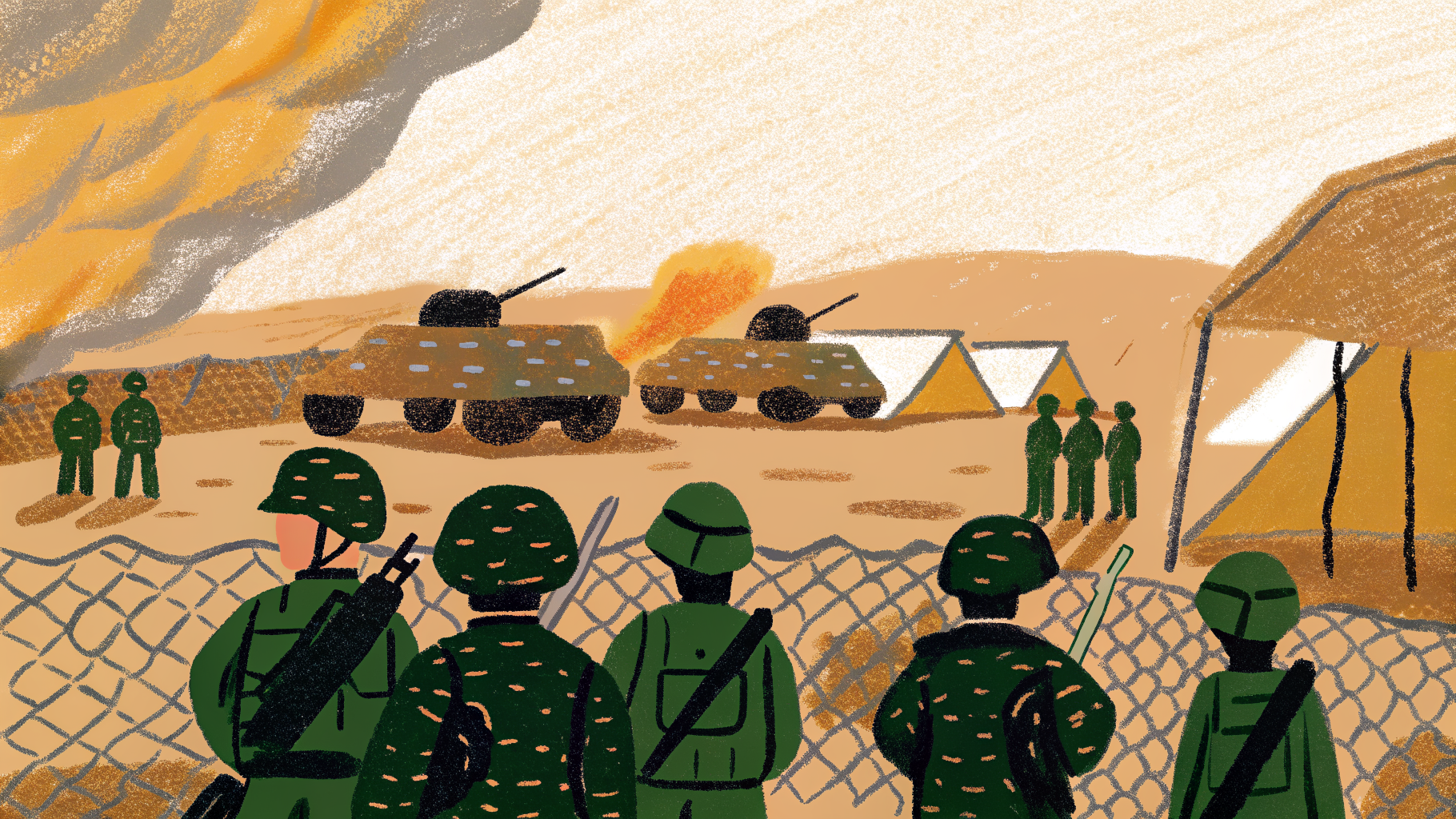
On July 17, Iranian missile and drone assaults hit US personnel in Jordan, killing two American service members and leaving one missing, marking the first US combat deaths from Iranian fire since March. The attack targeted a military installation and sent four other service members to hospitals.
President Trump warned that if Iran does not cut a deal, the US will strike Iranian bridges, power plants, and water facilities next week, with international law experts calling such targets potential . The threat specifically included electricity and water plants, raising concerns about civilian impact and escalation.
Earlier in the week, the US reimposed a naval blockade targeting Iranian ports and launched dozens of additional strikes, marking a shift to harsher coercion and signaling the fourth consecutive night of attacks. This reinstated blockade directly targets Iran's ability to export energy and disrupts commercial shipping in the region.
A fragile signed in mid-June to end fighting between the US and Iran broke down, leading to renewed exchanges of fire over control of the and setting the stage for escalated attacks. The collapse occurred just one week before the Jordan attack, removing the diplomatic buffer that had temporarily limited hostilities.