
The US-Iran confrontation is now a test of whether can force without tipping into a wider war. Washington’s pause in strikes suggests a bid to keep talks alive, but the conflict remains fragile because both sides still treat force, , and leverage over Iran’s nuclear program as bargaining tools.
The latest reporting says strikes are paused for now, but only under explicit conditions that leave room for renewed action if talks fail or either side breaks the . Officials continue to warn that negotiations, shipping access, and are all still under review. The story’s central question remains whether the pause can hold long enough to produce a more .
Despite threats and the still-volatile security environment, Netanyahu decides to travel to the . The trip is cast as a political and move made while the U.S.-Iran pause is still being tested and remain unresolved. Coverage frames the visit as part of the broader contest over whether the crisis moves back toward diplomacy or renewed force.
Israeli leaders signal that any diplomatic deal will not prevent Israel from acting again against Iran or if it sees a threat. This position matters because it shows the pause is not a full , only a temporary reduction in fire. It also helps explain why efforts remain fragile even when the shooting slows.
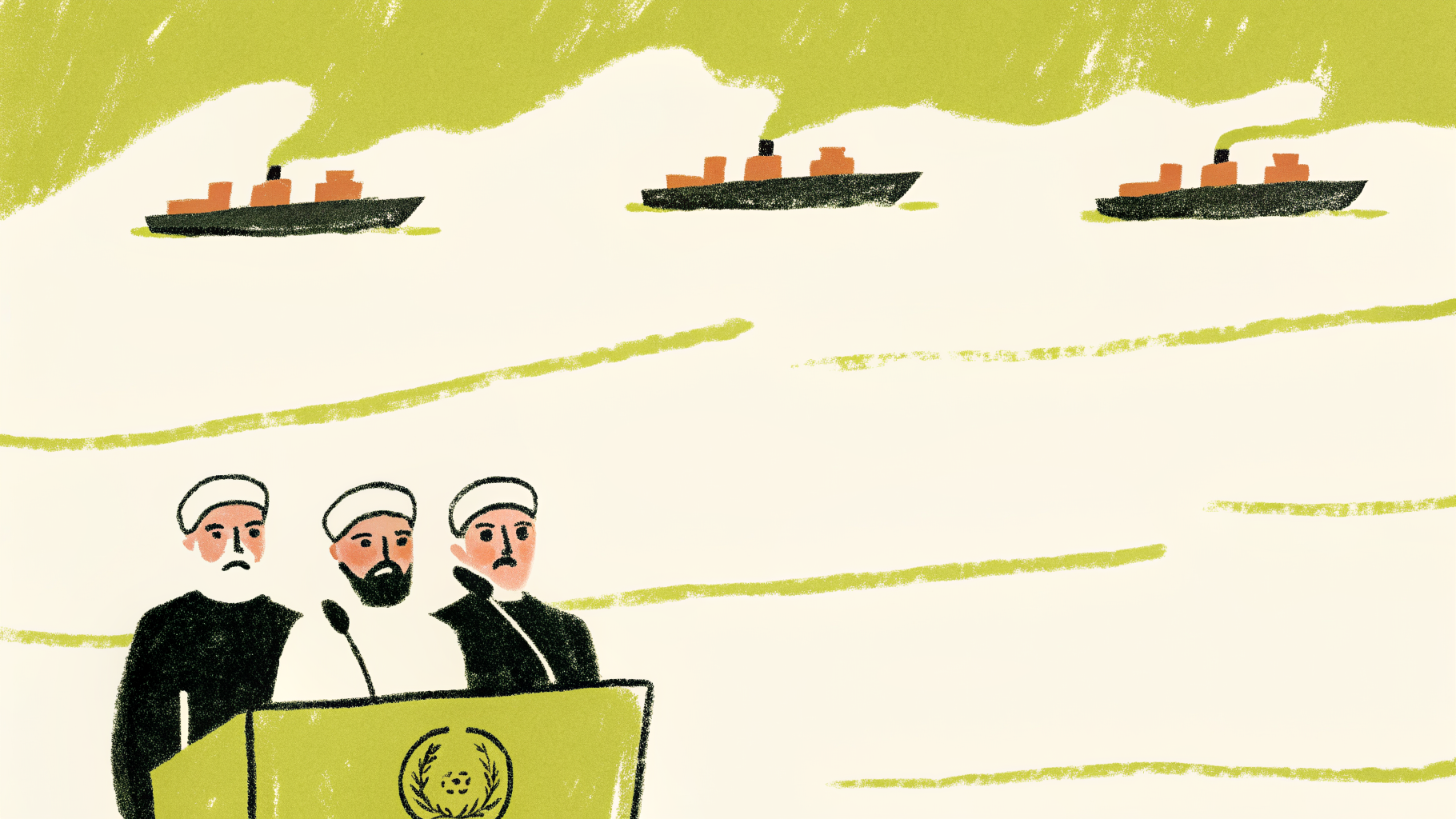
Negotiations increasingly center on reopening or protecting access through the , a key route for global oil and gas shipments. Coverage says both military pressure and are being used to shape the talks, while energy markets react sharply to the standoff. The dispute over shipping underscores how the war is affecting the as well as regional security.
Trump announces that the U.S. operation will be paused, citing what he calls meaningful progress toward a deal with Iran. The move is presented as a shift from battlefield pressure to negotiated , but the underlying conflict remains unresolved. Reporting says the pause follows weeks of fighting and signals that is temporarily gaining ground.
Following mediation efforts, both sides agree to a two-week halt in to allow more discussions. The pause is portrayed as a tactical break, not a resolution, because both sides continue to posture around shipping, , and military access. Later accounts say the ceasefire was extended only to buy time for proposal exchanges.
After more than five weeks of fighting, the U.S. and Iran agree to a that also includes Israel, creating the first major pause in the war. The deal is described as temporary and highly conditional, with still seeking a broader settlement. Regional reporting says the is tied to further talks rather than a final peace agreement.
As the fighting continues, President Donald Trump publicly signals that military pressure is still on the table and that further strikes could follow. Coverage describes Washington shifting between escalation and crisis management as the war expands and the becomes strategically central. The U.S. posture keeps diplomatic off-ramps open without fully stopping the conflict.
Iran answers with missile and drone attacks on Israel and other targets linked to the U.S. and its partners across the Gulf. The retaliation widens the war beyond a bilateral exchange and raises the stakes for and in the Middle East. Later timelines describe this as the start of a .
The crisis begins with large-scale U.S. and Israeli airstrikes on Iranian military and nuclear targets, which broaden a long-running confrontation into open war. Reporting says the attacks killed senior Iranian figures, including , and marked the point where collapsed. The operation immediately triggered fears of a wider regional conflict.