
World
Ceasefire Strains As Talks Stall
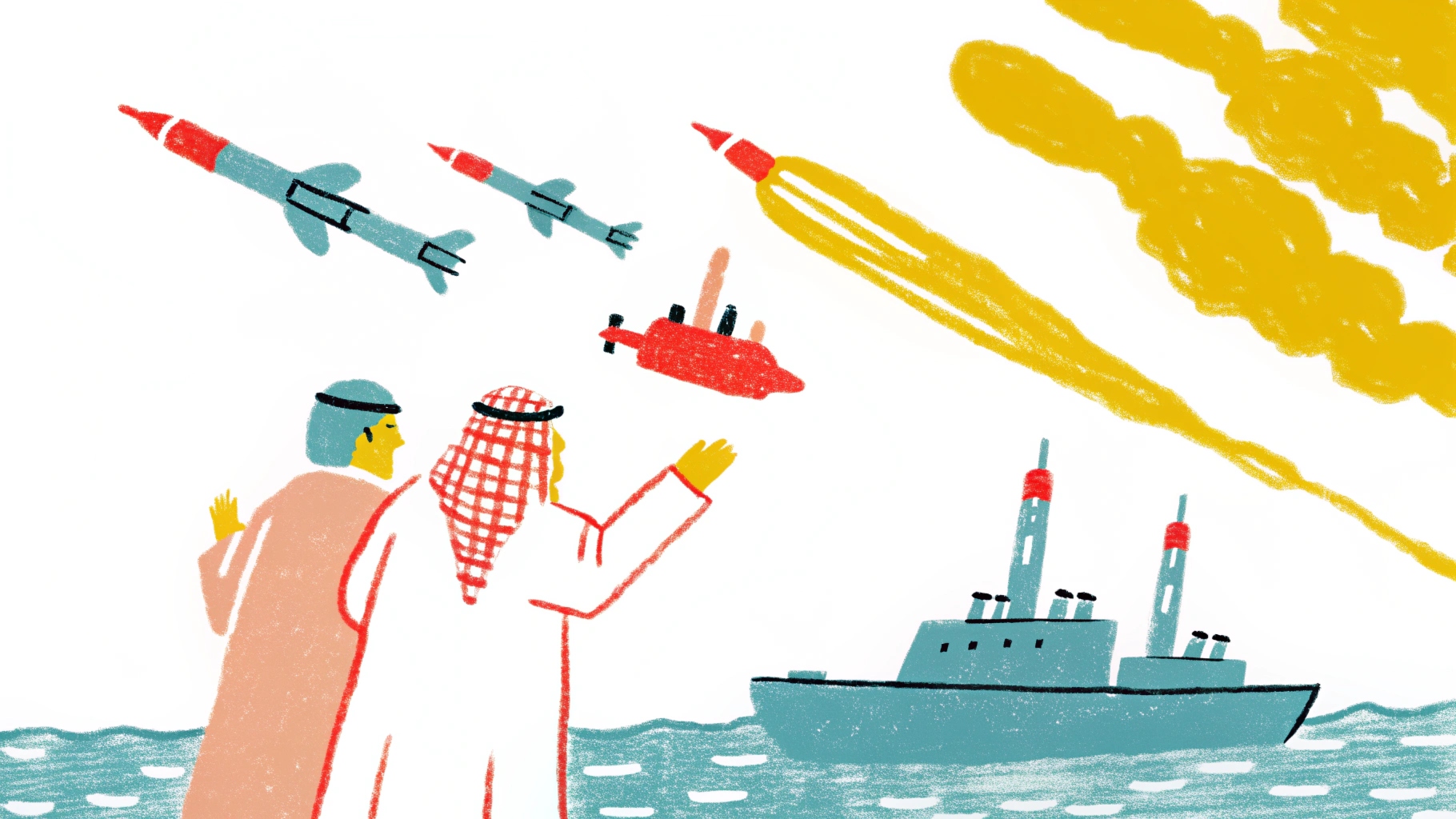
Negotiators in Oman failed to bridge disputes over nuclear limits, sanctions relief, and shipping rights, leaving the truce fragile again.
Negotiators in Oman failed to bridge disputes over nuclear limits, sanctions relief, and shipping rights, leaving the truce fragile again.
The fragile US-Iran has become a test of whether temporary restraint can survive unresolved disputes over , , and control of shipping lanes. With both sides accusing each other of violations and new strikes renewing pressure around the , the truce now hinges on whether can turn a pause in fighting into a durable agreement.
Pakistani Prime Minister said the peace agreement between the United States and Iran also covers Lebanon. He said the would take place on Friday in . That makes Lebanon part of the reported settlement framework rather than only a side front of the conflict.
It means the settlement is not limited to direct U.S.-Iran tensions. By covering Lebanon, the deal would also address a regional front tied to Iran-backed Hezbollah, making the agreement broader and harder to implement than a narrow ceasefire.
A Friday signing in Switzerland suggests the parties have moved beyond talks to a formalized framework, but not necessarily final implementation. The venue and timing point to active mediation and a need for neutral ground to lock in the terms.
Trump said the deal would reopen the and that the U.S. would end under the agreement. Coverage also says a senior U.S. official described the deal as , with Iran expected to dispose of . The reporting ties the diplomatic breakthrough directly to shipping access and nuclear constraints.
Reopening the strait would restore a key shipping route and signal an end to the U.S. naval blockade. That matters because access to Hormuz affects regional trade and energy flows, so the agreement ties de-escalation directly to maritime access.
The reporting says Iran is expected to dispose of highly enriched uranium, indicating the deal links shipping access with nuclear constraints. In practice, that means the agreement is trading a strategic opening in the Gulf for limits on Iran’s most sensitive nuclear material.
Multiple reports say the United States and Iran have reached an agreement to end the war, with a signing ceremony now set for Friday. The deal is described as a first-stage or rather than a fully implemented settlement. Pakistan is reported to have helped and is still involved in .
The reports describe it as a first-stage or memorandum-level framework, not a fully implemented settlement. That means the core text may be agreed, but the harder work of turning it into enforceable steps still depends on follow-up implementation talks.
Pakistan is still helping finalize the next steps, which suggests the agreement is not yet complete in practical terms. Its role matters because mediators are often needed to translate a political breakthrough into the detailed procedures and sequencing both sides can accept.
The Israeli military said two suspected to have come from Hezbollah hit northern Israel on Sunday. No injuries were reported, but the incident prompted political pressure inside Israel. It adds a fresh from Lebanon while the wider war and ceasefire talks remain unresolved.
The Israeli military said the drones were suspected to have come from Hezbollah. That matters because it links the incident to the broader cross-border fight rather than treating it as an isolated security event.
No injuries were reported, but the attack increased political pressure inside Israel. Even without casualties, a strike on northern Israel can intensify demands for a stronger response while ceasefire talks are still unresolved.
The Israeli military launched strikes on as Washington and Tehran moved toward a possible deal. The report says the attacks targeted and came during the lead-up to the anticipated signing. This shows remained active even as ceasefire diplomacy accelerated.
They showed that fighting in Lebanon was still active even as Washington and Tehran were moving toward a deal. That makes the talks harder, because each new strike can weaken trust and give hardliners more reason to resist concessions.
The report says they were aimed at Hezbollah infrastructure in Beirut suburbs. That suggests Israel was trying to keep pressure on Hezbollah directly, not just signal opposition to the negotiations.
President Trump said a deal to end the war could be signed on Sunday and that the would be open to all immediately after. His comments tie the expected agreement directly to reopening the . The statement is a stronger and more specific version of earlier claims that a breakthrough was near.
It would restore access to one of the world’s most important shipping routes, easing pressure on energy and trade flows. The passage carries about one fifth of global oil and gas, so even a partial reopening has broad market impact.
He is treating maritime access as a core condition of the agreement, not a side issue. That means the deal’s success would be judged quickly by whether shipping can move safely through the waterway.
It is unclear whether the strait would reopen immediately in practice or what role the United States would play in managing traffic. Earlier reporting also said shipping would depend on the ceasefire holding and on maritime coordination.
Reports said Iran would commit not to produce or acquire nuclear weapons under the draft agreement. The reported framework also says the United States would allow Tehran to its . This adds the clearest public detail yet on the nuclear terms being discussed in the .
Iran would commit not to produce or acquire nuclear weapons, which is the central nonproliferation demand in the draft. That would be paired with supervision over its highly enriched uranium stockpile.
Under the reported framework, the United States would allow Iran to dilute its highly enriched uranium stockpile under supervision. The point would be to reduce the stockpile’s weapons potential while keeping the process monitored.
They show the first-stage deal is not just about stopping fighting; it also tries to address the nuclear issue that has been a major sticking point. That makes the ceasefire a bridge to more substantive negotiations.
Iranian officials said the proposed deal will not be signed immediately and that there is no document ready for signing on Sunday. Tehran said the is still being worked on and that remain . The Iranian position directly pushes back against Washington and Pakistani claims that a signing is imminent.
Iran is signaling that its remaining concerns have not been resolved, so it does not want to lock in a document before those issues are settled. That pushback directly undercuts claims that a Sunday signing is ready.
It makes an immediate breakthrough less likely and suggests the talks may continue past the expected signing window. The gap between public claims and Tehran’s position shows the agreement is still fragile.
They keep the ceasefire and wider negotiations uncertain because no side can yet say the deal’s core tradeoffs are fixed. Until those issues are settled, the risk of delay or collapse remains.
Pakistani Prime Minister Shehbaz Sharif said the United States and Iran have reached the text of a . The reports say the agreement would be implemented in , with an initial followed by broader negotiations. Pakistani mediators described the process as moving into , even though Tehran has not yet confirmed a signing.
It means mediators believe the basic wording is finished and the talks have moved into final adjustments, not that the deal is already signed. The reported plan would unfold in two phases, starting with a ceasefire extension before broader negotiations.
The first phase would extend the ceasefire, giving both sides more time to prevent renewed fighting while negotiators work on the harder issues. That structure suggests the immediate priority is keeping the truce alive before tackling a broader settlement.
Tehran has not confirmed a signing, so the agreement still appears to need Iranian approval. That means the reported text may be close to done, but it is not yet a finalized, binding settlement.
President Trump said a peace deal with Iran will be signed on Sunday. He also said the United States would receive Tehran’s once conditions are calm, indicating the deal may include . The statement adds a more specific signing claim than earlier remarks that a deal was simply close.
It suggests the agreement may include nuclear-related terms, not just a ceasefire, because he said the United States would receive Tehran’s enriched uranium once conditions are calm. That points to a phased deal linking security calm with transfer or control of sensitive material.
It would likely mark the start of implementation rather than the end of the dispute. The hard questions on uranium, sanctions, and compliance would still need follow-up talks, so a signature would not by itself settle the deeper nuclear issues.
Pakistani Prime Minister Shehbaz Sharif said the final text of a between the United States and Iran has been reached. He said Pakistan is working with both sides to finalize next steps, and other reports said preparations were underway. The update signals that has moved from broad talks to a written agreement framework.
The talks move from broad bargaining to a written framework that can be signed or formally reviewed. That usually means the main political issues have been settled, but the deal can still be delayed if the parties disagree on last-minute wording or procedure.
Pakistan is acting as a mediator to coordinate next steps with both sides. Its role now is to manage the handoff from negotiation to signature, including timing, logistics, and any remaining technical details that could still slow the process.
Iranian Foreign Ministry spokesman Esmaeil Baqaei said the is unlikely to be signed on June 14. He said the deal could still be signed in the coming days, but rejected the idea of a fixed Sunday timeline. The statement directly contradicts claims from and Pakistan that a signing is imminent.
Iran is signaling that the text is not ready for a fixed June 14 signing and that unresolved wording still matters. That matters because it shows the deal is still being negotiated, not just scheduled, even after Washington and Pakistan suggested an imminent signature.
It means the talks are still fragile and could slip by a few days if the sides cannot settle final language. The contradiction with U.S. and Pakistani claims suggests there is agreement in principle, but not yet enough consensus to lock in a signing date.
President Trump said a with could be . The statement indicates renewed diplomatic momentum after earlier uncertainty over whether the talks could produce a formal agreement. ian officials have not confirmed that a signing is locked in.
It signals that talks may be close to a formal text, but it does not mean the deal is done. Without Iranian confirmation, the statement mainly shows momentum rather than a settled agreement.
Negotiators would need to resolve the unresolved issues behind the ceasefire, especially nuclear limits, sanctions, and maritime security. A signing would matter only if both sides accept the same terms and can begin implementing them.
The ceasefire could keep fraying while each side tests the other with accusations and pressure around the Strait of Hormuz. The longer the delay, the harder it becomes to turn the pause in fighting into a durable agreement.
reported Israeli airstrikes in southern Lebanon after earlier evacuation warnings. The strike follows the latest escalation tied to and shows the conflict spreading beyond the US-Iran channel. It is a new operational development not yet reflected in the timeline's Lebanon-related entries.
It suggests the strike was preplanned and intended to clear civilians before the attack, which can reduce immediate casualties but also signals a deliberate escalation. It also shows Israel is still acting militarily outside the US-Iran channel.
It shows the conflict is spilling into another front through Hezbollah-linked fighting in Lebanon. That broadens the pressure on mediators because any settlement with Iran now has to coexist with a still-active Israel-Hezbollah conflict.
A report said will unlock billions of dollars for Iran under a deal, with at least $10 billion expected and an already sent. The development would mark a major financial concession tied to the wider US-Iran settlement process. It also directly affects the and issue that has been central to the talks.
It would be a major sanctions-related concession, giving Iran access to money tied to the wider settlement. According to the report, at least $10 billion is expected, with an initial $3 billion tranche already sent.
Cash access is one of the most concrete incentives in the talks, so this would signal that negotiators are moving from promises to implementation. It also tests whether financial relief will be enough to hold the broader agreement together.
Pakistani Prime Minister said the United States and Iran have reached an agreement on . The report suggests mediators believe negotiations have moved beyond broad talks into a written framework. It is a fresh diplomatic development after earlier claims that a breakthrough was close but not confirmed.
The talks appear to have moved from broad principles to a written framework, which is a more concrete stage in negotiations. That usually means the remaining disputes are narrower, but it does not yet prove final approval or implementation.
No. A text agreement can still stall if either side objects to wording, sequencing, or enforcement details. The report suggests progress, but it is still short of a confirmed, fully signed settlement.
The United States said it shot down multiple Iranian drones that were targeting in the . The report adds a new maritime security incident while talks remain unsettled. It also suggests the shipping lane remains an active flashpoint despite claims from both sides that a deal is closer.
It shows the ceasefire is still vulnerable at sea, where even a limited clash can disrupt shipping and harden negotiating positions. The Strait of Hormuz is a key transit route, so any attack there raises the risk of wider escalation.
They remain exposed to drone attacks or other interference even while diplomacy continues. That means insurers, shippers, and naval escorts may stay cautious until there is clearer enforcement or a broader security understanding.
President Trump said a diplomatic breakthrough to end the war with Iran is close. He linked the possible deal to lingering tensions around the and said a could be imminent. Iranian officials have not confirmed that a deal has been reached.
It would likely reduce the most dangerous shipping risk in the conflict by easing tensions around the waterway, which is central to global oil and trade flows. Trump’s comments suggest the Strait remains a key bargaining point, not just a side issue.
Because he said a deal was close, but Iranian officials had not confirmed one had been reached. That means the talks may still be vulnerable to disagreement over the final terms, especially on security and shipping.
The key question is whether both sides publicly confirm the same terms and whether those terms actually hold in practice. If not, the ceasefire could stay fragile even if negotiators say a breakthrough is imminent.
Reports said hit additional targets as the confrontation widened across . The coverage said remained on high alert after the attacks. The UAE also condemned the attack as terrorism and urged a return to negotiations.
It means the conflict is spreading beyond a single front and creating broader security risk across West Asia. Gulf states were described as staying on high alert, which suggests governments are preparing for more attacks or spillover.
The UAE’s condemnation signals that it sees the strikes as an intentional attack on civilian or regional security rather than a normal military exchange. Its call to return to negotiations also shows concern that continued escalation could pull more states into the confrontation.
Kuwaiti authorities said an attack hit a . The strike killed one Indian worker and caused significant damage to the facility. Officials said the country remained on after the attack.
It matters because desalination plants are critical to Kuwait’s water supply, so damage to the facility can quickly become a public services problem, not just a security incident. The attack also raised the risk of further strikes, which is why authorities said the country remained on high alert.
One Indian worker was killed in the attack, and the facility itself suffered significant damage. That combination makes the event both a civilian casualty case and a potential disruption to essential infrastructure.
Iran said there is no final decision yet on the and that are still being reviewed. The remarks came after Trump publicly claimed a breakthrough was near. Iran's response shows the diplomatic process is still incomplete despite renewed optimism from Washington.
It means Iranian leaders had not approved the proposal and were still weighing its unresolved terms. In practice, that leaves the ceasefire and any reopening of the Strait of Hormuz dependent on whether Tehran accepts the package.
It shows the diplomatic process is still incomplete, despite public claims of a breakthrough from Washington. Until Iran gives final approval, the ceasefire remains fragile and the risk of renewed pressure around the strait stays in place.
President Trump said a could soon reopen the and suggested a might be signed by the weekend. Iranian officials, however, said no final decision had been reached and that negotiations were still . The statements indicate renewed diplomatic movement, but not a completed settlement.
A signed agreement would likely formalize a reopening of the Strait of Hormuz and lock in the current pause in fighting. That matters because even limited shipping disruptions in the strait can affect oil and liquefied natural gas flows beyond the region.
Because Iranian officials said no final decision had been reached and the proposal was still under review. That means the talks had renewed momentum, but the key political and security terms were not yet settled.
reported that President Trump said the United States will take Iran’s . The statement came amid renewed fighting and escalating U.S. threats against Iranian assets. It adds a new, explicit target designation from the U.S. president.
Kharg Island is a major Iranian oil-export hub, so naming it as a target raises the stakes far beyond a routine military warning. Threatening it suggests pressure on Iran’s energy infrastructure and export capacity, not just its battlefield forces.
It gives the confrontation a more explicit strategic target and signals possible escalation against Iranian economic assets. That can harden Iran’s response, alarm energy markets, and make a negotiated pause harder to preserve.
Live updates reported against Iranian ammunition depots. The report indicates the fighting has continued into a further round of . It shows the conflict is still intensifying beyond the earlier maritime and regional exchanges.
Ammunition depots are military supply sites, so striking them is meant to weaken Iran’s ability to keep fighting. It can reduce available munitions, disrupt resupply, and signal that the conflict has moved deeper into direct attacks inside Iran.
It shows the fighting is broadening beyond the earlier maritime dispute and regional exchanges. Continued strikes inside Iran make the conflict more intense and raise the chance of further retaliation rather than a quick return to restraint.
U.S. reporting says threatened to hit Iran "very hard" as the conflict escalated. The coverage also said U.S. forces were targeting Iranian in a new wave of strikes. The remarks indicate a harder U.S. posture and continued active military operations.
It signals a sharper escalation and less room for restraint. A threat to hit Iran “very hard” suggests Washington is backing diplomacy with the prospect of larger and more sustained military pressure if the conflict continues.
If carried out, the warning points to broader U.S. strikes rather than a limited response. That would likely expand the targets, increase the pace of attacks, and make negotiations harder because Iran would face stronger military pressure while talks stall.
Iran’s new said the will be closed until further notice following fresh U.S. strikes. The authority told vessels with to wait for further instructions, confirming that the closure applies broadly. The statement escalates the shipping dispute into an explicit order to shut the waterway.
It means vessels are being told to stop transiting and wait for further instructions, so the waterway is effectively shut to normal commercial traffic until Iran changes the order. That raises the risk of delays, rerouting, and higher shipping costs.
The Strait of Hormuz is a major route for Gulf shipping, including oil exports, so shutting it turns a military dispute into a direct threat to global trade. Any prolonged closure could quickly affect energy markets and insurance rates.
Iran’s new said the will be closed until further notice after fresh U.S. strikes. The body said vessels with should wait for further guidance, while the said the waterway was closed to all vessels. disputed the closure claim and said commercial ships were still transiting the strait. This is a major escalation because it turns the shipping-route dispute into an explicit closure order.
The Strait of Hormuz is a critical oil and shipping chokepoint, so a real closure would affect global energy flows and commercial traffic far beyond the region. That is why even a temporary shutdown threat can quickly raise market and security concerns.
Iran’s authorities say it is closed, but U.S. Central Command says commercial ships are still transiting. The immediate impact is therefore disputed, which suggests the closure claim may be as much a pressure tactic as an enforced shutdown.
If ships continue transiting despite Iran’s order, the risk of a confrontation rises because Tehran has signaled that the waterway is under its control. That could lead to inspections, delays, or further strikes around the shipping lane.
Pakistan has publicly urged Washington and Tehran to pursue a as tensions deepen. The statement aligns with Pakistan's existing role as a between the two sides. It comes after renewed U.S. strikes and amid fears that the conflict could widen further. The call adds a fresh diplomatic reaction to the latest escalation.
Pakistan is trying to keep the conflict from widening after the latest U.S. strikes. Because it already serves as a mediator, its statement is meant to reinforce diplomacy at a moment when military escalation is making a negotiated outcome harder.
Pakistan could continue acting as a channel between Washington and Tehran if both sides remain open to talks. Its influence matters most if it can help shift the crisis from retaliation to a settlement before the fighting spreads further.
Fresh reports say U.S. forces carried out strikes on multiple targets inside Iran on the second day of . The new action comes amid a rapid escalation that has already included maritime strikes and regional retaliation claims. The development indicates the confrontation is no longer limited to the and is expanding onto . It also marks a materially more direct phase of the conflict than the prior timeline entries.
The fighting moved from pressure on maritime targets to direct strikes on Iranian territory. That is a sharper escalation because it broadens the conflict beyond the Gulf shipping lane and increases the risk of a wider retaliatory cycle.
Striking targets inside Iran makes the confrontation more direct and harder to contain. It signals that the conflict is no longer limited to shipping disruption or proxy retaliation, which raises the chance of further military responses from Tehran.
India's shipping minister said the three Indian crew members who were previously missing after the U.S. strike on the are now confirmed dead. Two bodies were recovered, and the rescue effort had already saved 21 Indian nationals from the vessel. The tanker had been struck near the earlier in the week, triggering a involving Indian and Omani authorities. India had already lodged a strong protest with the United States over the attack.
It turns the incident from a rescue operation into a confirmed fatality case involving Indian nationals. That raises diplomatic pressure on Washington and gives India a stronger basis to press for an explanation, compensation, or changes to how maritime strikes are conducted.
The search effort saved 21 Indian nationals and recovered two bodies before the three missing crew were confirmed dead. That suggests the operation was partly successful, but also that the strike caused casualties beyond the initial missing-person report.
President Trump said Iran has taken too long to negotiate and warned that it will have to "pay the price" for the delay. The remarks came as his administration continued to press over the terms of any . The statement is a sharper public pressure line than the earlier comments about talks being close. It signals a harder even as diplomacy remains unresolved.
It signals that the White House is moving from public optimism to sharper pressure as talks stall. That can raise the risk of more coercive steps if Iran does not respond on Washington’s terms.
Trump’s comment is a tougher public line than earlier signals that a deal was close. It suggests the administration is less willing to wait and is using the threat of consequences to push Iran to move faster.
It implies that any next talks will happen under more pressure and with less room for delay. Mediators will likely need to show real progress quickly if they want to keep diplomacy alive.
Air raid sirens were reported in Bahrain as authorities urged residents to move to safe locations. Kuwait also activated its against what officials described as . These alerts followed Iranian retaliation claims and reports of incoming missiles and drones. The measures show the confrontation spreading to Gulf states hosting U.S. forces.
It suggests authorities believed an attack was plausible and immediate enough to justify protective measures. Sirens in Bahrain and air-defense activation in Kuwait mean the confrontation had moved beyond rhetoric and was being treated as a real airborne threat.
People in Bahrain and Kuwait were the most immediate affected group, especially near military and strategic sites. The alerts also matter for U.S. personnel stationed there, since the measures were taken in response to threats tied to regional retaliation.
Iranian reports said the retaliatory operation covered roughly 21 American across the region. The claim broadened the confrontation beyond a single base and signaled a wider retaliation posture. The reports also said in response to hostile aerial threats. These developments indicate a regional expansion of the conflict after .
It signals a broader regional threat posture, not just a single-symbol strike. By putting roughly 21 U.S. air and naval bases in scope, Iran is warning that the confrontation could spread across multiple countries where U.S. forces are stationed.
Their governments said they detected hostile aerial threats after Iran’s retaliation claims and reports of incoming missiles and drones. Because both countries host U.S. forces, any strike pattern that includes regional bases can quickly trigger local air-defense alerts.
Iran's said they launched missile strikes against a U.S. military facility in Jordan. The stated target was , and Iranian media said multiple U.S. bases were in scope. The claim came as Tehran framed the attack as retaliation for the latest U.S. strikes. Independent confirmation of the full damage was not included in the available reports.
Iran framed the strike as retaliation for the latest U.S. attacks, using a regional U.S. base as a response target. That widens the confrontation without requiring an attack on U.S. territory, which raises the risk of further escalation while keeping the retaliation message clear.
The report only includes Iran’s claim and says independent confirmation of the full damage was not available. That means the operational impact, including whether the strike hit its intended target and how much damage was done, cannot yet be verified from the available reports.
President Trump said Iran shot down a U.S. patrolling over the on Monday night. He said both pilots were safe and uninjured after the aircraft went down. Trump wrote that "must, of necessity, respond to this attack." were still assessing the cause, but Trump publicly blamed Iran.
It raises the risk of direct retaliation just as both sides are already accusing each other of breaking the truce. A U.S. response could widen the conflict around the Strait of Hormuz and make it harder for mediators to keep talks alive.
U.S. officials were still assessing what caused the aircraft to go down, so Trump’s blame on Iran was not yet confirmed by the available U.S. assessment. The difference matters because the cause will shape whether Washington treats it as an attack or an accident.
Iran could retaliate again, which would deepen the cycle of strikes already putting the ceasefire under pressure. That would also increase the danger to shipping and military patrols near the Strait of Hormuz.
said it carried out a rescue mission for the two after the helicopter went down near the . Officials said the pilots were recovered using an in what was described as a . The crew was reported safe and uninjured after the rescue. The incident adds a new operational detail to the confrontation around the shipping lane.
It shows how close the confrontation has become to one of the world’s most sensitive shipping lanes. Even though the two crew members were rescued safely, an aircraft accident near the Strait of Hormuz adds another operational risk to an already tense standoff.
CENTCOM said the pilots were recovered using an unmanned surface vessel, which it described as a first-of-its-kind operation. That suggests the military is testing new ways to retrieve personnel safely in a high-risk maritime environment.
The direct impact was on the two Apache crew members, both of whom were reported safe and uninjured after the rescue. More broadly, the episode affects U.S. military operations in the area because it highlights the need for fast recovery capabilities near the Strait of Hormuz.
The Israeli army issued an urgent evacuation warning for residents of the Lebanese city of and nearby camps and neighborhoods. The order instructed civilians to move north of the ahead of planned strikes on targets. Israeli spokesperson Avichay Adraee said was violating the and that the was acting forcefully. The warning expanded pressure on southern Lebanon and signaled a new round of escalation tied to the breakdown.
Israel said it was preparing strikes on Hezbollah targets and warned civilians to move north of the Zahrani River. The order reflects Israel’s claim that Hezbollah had breached the ceasefire, which would justify a more forceful military response.
Residents of Tyre, nearby camps, and surrounding neighborhoods are the immediate focus, especially people still in southern Lebanon after earlier rounds of displacement. The warning also increases pressure on civilians who may have to flee again if strikes begin.
It suggests the truce is deteriorating rather than stabilizing. By tying the evacuation order to alleged Hezbollah violations, Israel is signaling that disputed ceasefire terms could now lead to fresh strikes and further escalation in southern Lebanon.
In a , said the fighting with had stopped after Israel struck what he called the "terror regime in Tehran." He framed the halt as the result of Israel's military action rather than a . Netanyahu also warned that Israel would respond if made further moves. The statement is notable because it acknowledges a pause in direct combat, while still presenting the situation as unstable.
No. He said the fighting had stopped, but he framed it as the result of Israeli military pressure rather than a negotiated settlement, which means the pause may be temporary rather than a durable end to the conflict.
He is trying to present the halt as something Israel achieved through force, not as a concession or compromise. That framing matters because it signals domestic strength while leaving room for future retaliation if Iran acts again.
It suggests the ceasefire remains fragile. Netanyahu’s warning that Israel would respond to further Iranian moves means any new strike, missile launch, or other provocation could quickly restart direct fighting.
President Trump said he would call and ask him not to retaliate for on Israel. He said the Iranian strike did not hurt anyone and argued that another round of was unnecessary. Trump also said he still wanted to keep on track and believed a deal remained close. The comments were reported after Iran fired missiles in response to .
Trump said another round of escalation was unnecessary because he claimed Iran’s missile attack did not hurt anyone. His aim was to prevent the exchange from derailing ceasefire talks and keep pressure focused on diplomacy rather than a wider conflict.
He said he still wanted to keep Iran negotiations on track and believed a deal remained close. That suggests he saw restraint as a way to preserve the opening for talks, even after the missile salvo and the earlier strikes on Beirut.
It showed how quickly the truce can be tested by retaliation cycles. The attack came after Israeli strikes on Beirut, and each new exchange raises the risk that mediators lose control before a broader agreement is reached.
Israel said its territory was hit by Iranian missiles, including a . Israeli officials responded by closing schools for the following day and shutting . The army called the firing a serious violation and said Iran had made a grave mistake. Israel’s military chief then said the would strike Iran with force once given the .
The closures were a precaution against further strikes after Israel said it was hit by two Iranian missile salvos. Officials treated the attack as a serious escalation and moved quickly to reduce exposure and disruption.
The military chief’s comment signals that retaliation is likely once political approval is given. That means the exchange could intensify quickly if leaders authorize a response instead of trying to contain it.
Israel is framing the missile launches as a major breach that justifies forceful retaliation. That kind of language is meant to signal deterrence, but it also narrows the space for a quick de-escalation.
Iran’s warned that and could be targeted if Israel’s campaign in Lebanon continues. He tied the threat to what he described as US approval for Israeli escalation. The comments marked a direct public warning against US interests, not only Israeli forces or . They also linked the Lebanon conflict more directly to the wider US-Iran diplomacy.
Iran’s negotiator publicly named U.S. bases as possible targets, not just Israeli forces or allied militias. That directly widens the diplomatic stakes by putting U.S. interests at risk if the Lebanon campaign continues.
By saying Washington backed the escalation, Tehran is treating the U.S. as responsible for the fallout in Lebanon. That gives Iran a justification to pressure both sides through the same warning.
The threat makes the diplomacy more fragile because it links negotiations to battlefield pressure. If either side sees the warning as credible, it could harden positions rather than bring them back to the table.
Iran’s negotiating team paused with the United States, saying Israeli military operations in Lebanon must stop before diplomacy can continue. Tasnim said the pause also covers message exchanges through , not just formal meetings. Tehran now argues that any must include Lebanon as well as direct US-Iran hostilities. Iran also warned that continued escalation could open additional regional fronts.
Iran said diplomacy could not continue while Israeli operations in Lebanon were still underway. It is using the pause to press for a broader ceasefire that covers Lebanon, not just direct U.S.-Iran hostilities.
Tehran is no longer treating the deal as limited to the U.S.-Iran channel. It now wants any truce to include fighting in Lebanon, which raises the scope of the talks and makes agreement harder.
Iran is linking the Lebanon fighting to the ceasefire itself, so continued strikes there could unravel the talks. That means mediators now have to bridge two conflicts at once instead of one.
Iran warned that more escalation could open additional regional fronts. That raises the risk that the ceasefire pressure spreads beyond the current disputes and makes a limited pause less stable.
By early June, the remained technically in force but was increasingly undermined by , missile attacks, , and unresolved negotiations. Both sides continued limited military operations while attempting to avoid a return to .
The truce appears to be a limited pause rather than a full peace deal, so both sides are still carrying out lower-level military actions while trying to avoid a wider war. That means the agreement can survive even as it is repeatedly violated or tested.
The main pressure is coming from drone interceptions, missile launches, and retaliatory strikes around the Strait of Hormuz and other flashpoints. These exchanges keep tension high because they can escalate quickly, even when neither side says it wants full-scale conflict.
The ceasefire has not resolved the core disputes over nuclear limits, sanctions, and control of shipping routes. Without agreement on those issues, the truce is functioning more as damage control than as a path to a durable settlement.
The most likely risk is a continuation of the current pattern: intermittent strikes, interceptions, and retaliatory responses without a formal return to full war. If mediators cannot bridge the remaining gaps, the ceasefire could gradually unravel.
The United States moved to push an demanding greater Iranian cooperation on and . The move added a nuclear dimension to already difficult negotiations over and regional security.
US officials reportedly began evaluating whether could be used to help Kuwait and Bahrain rebuild damaged during Iranian missile attacks. The proposal directly conflicts with Iran's demand that those same funds be released as part of a .
US officials are weighing whether the money could help rebuild infrastructure damaged in Iranian missile attacks. That would use the funds as compensation for losses rather than as a concession to Tehran.
It clashes directly with Iran’s demand that the same frozen funds be released to Iran as part of an agreement. That means the assets are both a bargaining chip and a point of conflict.
It would make a compromise harder, because one side sees the assets as restitution for damage and the other sees them as payment for making peace. That widens the gap on the economic terms of any settlement.
Pakistan's Mohsin Naqvi met senior Iranian officials in Tehran as part of an effort to revive stalled diplomacy. Pakistan has remained one of the principal between Washington and Tehran since helping broker the April ceasefire.
Pakistan is trying to restart stalled diplomacy between Washington and Tehran. By meeting senior Iranian officials, it is attempting to keep the ceasefire process alive and reduce the risk of a wider breakdown.
Pakistan has already served as one of the main intermediaries since helping broker the April ceasefire. That makes it a trusted channel for relaying messages when direct US-Iran talks are blocked.
If the mediation fails, the ceasefire could remain frozen while disputes over sanctions, nuclear limits, and regional security continue unresolved. That would leave both sides more exposed to renewed escalation.
A member of Iran's negotiating team indicated Tehran could impose a related to reopening the . The statement highlighted how control of the strategic shipping route remains one of the core unresolved issues preventing a broader settlement.
Because it is one of Iran’s main leverage points. Control over the shipping lane affects oil traffic and sanctions bargaining, so reopening it is tied directly to whether the ceasefire can become a broader deal.
It would put time pressure on negotiators to settle the shipping-lane dispute quickly. A deadline would also signal that Iran may use the strait as a bargaining tool if talks keep stalling.
It suggests the talks are still stuck on core security and economic issues rather than moving toward a final agreement. The strait remains unresolved alongside nuclear limits and sanctions.
President Trump publicly ruled out lifting or as part of an initial peace agreement. He stated that relief would only be considered after Iran complied with US demands, creating a major obstacle to ongoing negotiations.
Iran has an incentive to seek sanctions relief early, but Trump said that will not come in an initial agreement. That creates a basic mismatch in expectations, because one side is being asked to comply before receiving the main economic benefit.
He said sanctions relief and unfreezing Iranian assets would only be considered after Iran complied with US demands. That means any immediate deal would focus on Iranian concessions first, with economic relief reserved for a later stage.
It suggests the White House wants a phased agreement rather than a quick trade of concessions. That makes negotiations harder, because the sides must agree not only on the terms but also on the order in which those terms take effect.
Iran retaliated by firing and drones toward US-linked targets in Kuwait and Bahrain. Most projectiles were intercepted by US and Gulf defenses, but the attacks triggered and renewed fears of a wider regional conflict. Gulf states condemned the strikes as a serious escalation.
Iran fired ballistic missiles and drones toward US-linked targets in Kuwait and Bahrain. The attack appears aimed at pressuring US-aligned sites and showing it can widen the conflict beyond the immediate area around the Strait of Hormuz.
Most of the projectiles were intercepted by US and Gulf defenses, so the immediate physical impact was limited. Even so, the launches triggered air raid alerts and raised fears that the fighting could spread across the region.
The strikes put Gulf states on the front line of the retaliation cycle, even if many missiles were stopped. Their condemnation shows they now have a stronger incentive to push for de-escalation before the confrontation pulls them in further.
US forces struck Iranian at Goruk and Qeshm Island after intercepting Iranian drones near the . Washington described the action as defensive and necessary to protect , while Tehran called it a violation of the April ceasefire. The incident marked the most significant direct military exchange since negotiations stalled.
Washington said the strikes were defensive and intended to protect maritime traffic after Iranian drones were intercepted near the Strait of Hormuz. That framing suggests the US saw the radar and surveillance sites as part of the threat to shipping.
It was described as the most significant direct military exchange since negotiations stalled, which means it raises the risk that the ceasefire will no longer contain the conflict. It also shows the dispute has moved beyond warnings into open military action.
Tehran called the attack a violation of the April ceasefire. That matters because it gives Iran a basis to frame retaliation as justified and makes it harder for both sides to claim they are still respecting the truce.
The immediate question is whether the is being extended, collapsing again, or replaced by a new framework. With strikes still being reported, unresolved, and both sides disputing responsibility for violations, the truce has not evolved into a stable agreement. are still trying to keep talks alive, but the next decision point is whether either side will accept a or return to escalation.
The ceasefire could be extended, collapse again, or be replaced by a new framework. Which path follows depends on whether the sides can agree on shipping terms, sanctions, and nuclear limits before the next round of escalation.
A revised deal would need both sides to accept some combination of nuclear restrictions, sanctions terms, and safer shipping rules. Without that, continued strikes and disputed violations make the truce too fragile to last.
The truce is still being undermined by reported strikes, unresolved shipping terms, and mutual accusations of violations. Without agreement on those core issues, the pause in fighting has not turned into a lasting framework.
Mediators are trying to prevent the talks from collapsing entirely and keep both sides engaged long enough to reach a revised deal. Their role matters because the next step depends on whether diplomacy can outlast the current cycle of accusations and retaliation.
If neither side accepts a revised agreement, the conflict is likely to shift back toward escalation. The event description makes clear that the truce is already fragile enough that another breakdown could reopen direct confrontation.
After the talks failed to produce a breakthrough, officials in Washington and Tehran traded blame for the collapse in momentum. US officials said Iran had not accepted the terms needed for a , while Iranian officials said the United States was imposing conditions that undermined the . The suggested that each side saw the other as responsible for the stalled process.
US officials said Iran had not accepted the terms needed for a durable arrangement, while Iranian officials said the US was imposing conditions that weakened the truce. The blame game signaled that neither side was ready to soften its position.
It suggests the negotiations were not just stalled technically but also politically. Publicly assigning responsibility makes it harder for either side to claim concessions without appearing to back down.
The latest round of talks centered on the hardest unresolved issues, including limits on Iran’s nuclear program, the future of , , and the rules for shipping through the . The dispute also covered whether Iran would guarantee safe passage for commercial vessels and how much US pressure would remain in place. These sticking points prevented the ceasefire from turning into a broader deal.
The talks were stuck on Iran’s nuclear limits, the future of enriched uranium, sanctions relief, and rules for shipping through the Strait of Hormuz. Those issues were central because they determined both Iran’s leverage and how much pressure the US would keep in place.
The strait is a major transit route for commercial vessels, so any dispute over safe passage affects global shipping and energy flows. Iran’s willingness to guarantee passage was part of whether the ceasefire could reduce regional risk in practice.
As the ceasefire came under renewed strain, US and Iranian officials moved toward another round of negotiations in , with the talks set for . The meeting was intended to address the unresolved terms that had prevented a durable agreement. ’s role reflected the continued need for third-party mediation after earlier diplomacy failed to lock in a stable framework.
Oman was acting as the third-party mediator because earlier diplomacy had not produced a stable agreement. Holding the talks in Muscat gave both sides a neutral setting to keep negotiations alive despite the renewed strain on the ceasefire.
They were meant to address the unresolved terms that had kept the ceasefire from becoming durable. The main goal was to turn a temporary pause in fighting into a framework both sides could actually sustain.
US forces launched strikes on sites in and around , including missile launch positions and Iranian boats allegedly trying to place mines. described the action as self-defense to protect US personnel from threats posed by Iranian forces. The strikes deepened the sense that the ceasefire was fraying despite the lack of a fully accepted settlement.
US Central Command said the strikes were self-defense meant to protect US personnel from Iranian threats. The targets included missile launch positions and boats allegedly laying mines, which suggests Washington saw an active battlefield risk rather than a purely symbolic confrontation.
It makes the truce even less stable, because each new strike increases the chance that both sides will treat the other as the violator. Without a fully accepted settlement, the ceasefire now depends on whether the mediation process can still limit retaliation.
Iranian military officials said the United States violated the ceasefire by targeting two ships near the and striking locations in , including , Sirik, and . The accusation showed that maritime access and attacks around the Gulf were already becoming central flashpoints. Tehran said the strikes undermined the truce and widened doubts about whether it could hold.
The accusation centered on ships near the Strait of Hormuz and strikes in nearby Iranian territory, which tied the ceasefire directly to maritime access and Gulf security. That matters because pressure around the strait can affect shipping and raise the stakes beyond the immediate battlefield.
Tehran said the attacks undermined the ceasefire and made it less credible. By pointing to two ships and multiple locations in Hormozgan province, Iran was signaling that it saw the truce as already being breached, not just strained.
President Trump extended the ceasefire indefinitely after the initial two-week period had begun to run. The move kept the truce formally in place, but it did not settle the major disputes over how the agreement would work in practice. The ceasefire remained vulnerable because both sides continued to accuse each other of violations.
The ceasefire stayed formally in place beyond the original two-week window, so fighting was not supposed to resume automatically. But the extension did not resolve the underlying disputes, which left the truce dependent on continued restraint from both sides.
Because the extension only preserved the pause; it did not settle how the agreement would work or prevent either side from alleging violations. That meant the ceasefire could still unravel if either side decided the other had broken it.
The United States and Iran agreed to a in the 2026 Iran war, with . The deal was meant to pause direct hostilities and create space for , but even the initial framework was contested. Iran had rejected an earlier draft and proposed its own before the ceasefire took effect.
The ceasefire was a temporary pause designed to stop direct fighting first and leave the harder issues for later talks. Pakistan mediated the deal, but Iran had already rejected an earlier draft and pushed its own plan, showing the core disputes were still unresolved.
A short срок was meant to reduce immediate violence without forcing either side to accept a full settlement right away. It created time for follow-on diplomacy, but it also meant the truce could expire quickly if talks failed.