
U.S. envoys meet Putin after Russia-Ukraine prisoner deal
Humanitarian cooperation advances while territory and security disputes remain unresolved
Overview
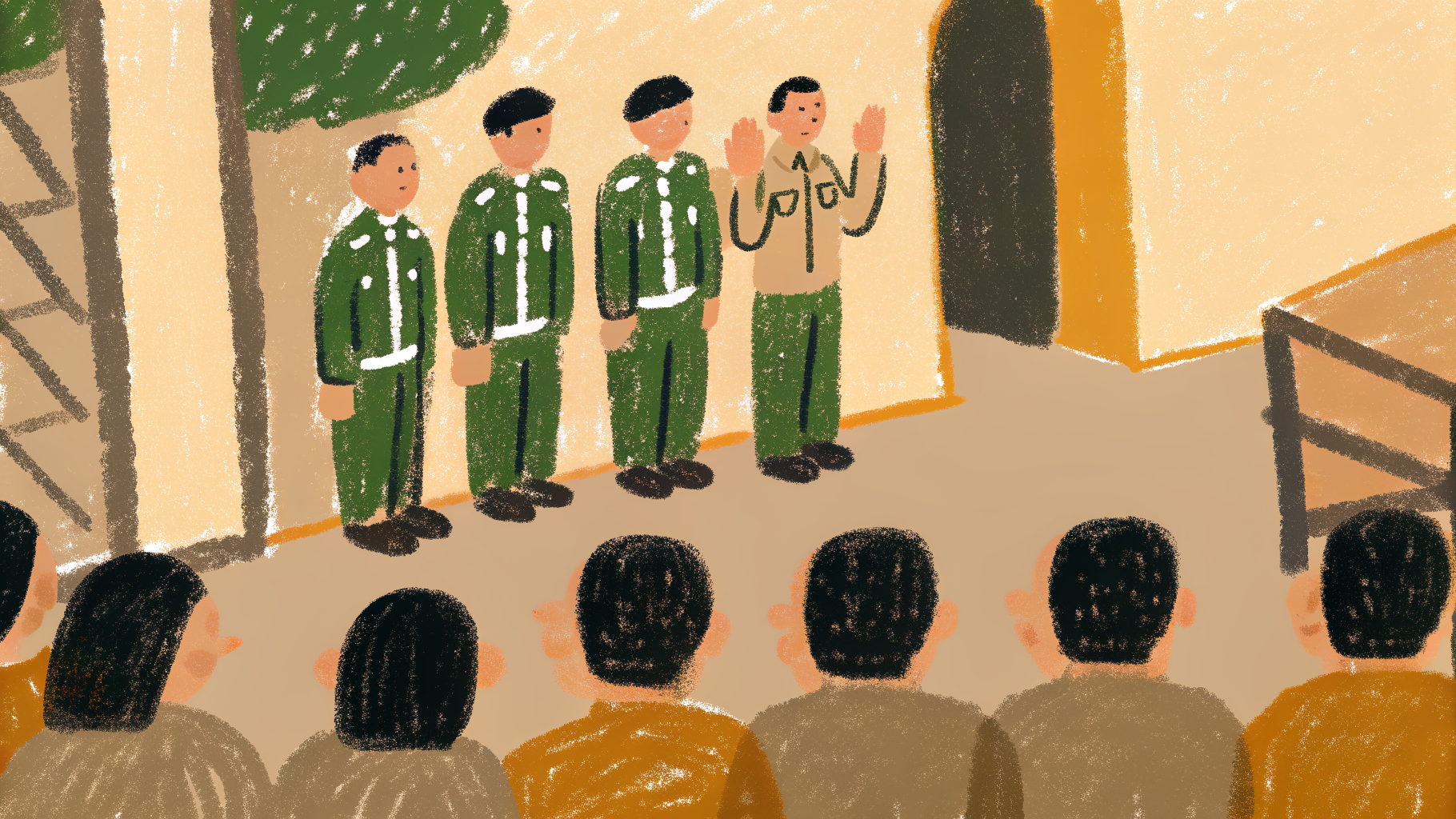
Russia and Ukraine have resumed direct talks after a nine-month pause. U.S. envoys Jared Kushner and Steve Witkoff are trying to build on limited progress involving , and . In Abu Dhabi, the two sides agreed in principle to a major prisoner exchange. Its size, possibly 1,000 for 1,000 or 1,500 for 1,500, and its timing remain unsettled. The exchange could bring relief to families, but it would not end the fighting.
Kushner and Witkoff’s meeting with Vladimir Putin in Moscow will test whether this narrow progress can lead to wider talks. Territory and promises about postwar safety remain the main obstacles. Attacks continue, and no broad ceasefire has been reached. Further talks with and European partners are planned because Europe would help shape any . Real progress would mean completed releases, continued talks and movement on territory, security promises or a ceasefire.
Timeline
The proposed prisoner exchange exposed the limits of diplomacy beyond humanitarian measures
Russia and Ukraine agreed in principle to a large , but major disputes over territory and postwar security remained unresolved, with no major breakthrough on a broader peace deal.
Russia and Ukraine continued military pressure while diplomats pursued limited agreements
The diplomatic push proceeded without a or a settlement of the war's central disputes. Continued battlefield activity underscored the gap between humanitarian cooperation and agreement on ending hostilities.
U.S. envoys planned follow-up talks with Zelenskyy and European partners
After Moscow, Kushner and Witkoff planned to meet Ukrainian President Volodymyr Zelenskyy in Dublin. Kushner also said European partners should be involved, reflecting their role in any .
Kushner and Witkoff met Putin in Moscow to test the next phase of diplomacy
The envoys held direct Kremlin engagement after the . The meeting was intended to determine whether preliminary could support broader negotiations, while confirmed movement on territory, security guarantees, or a ceasefire remained absent.
U.S. envoys announced plans to carry the Abu Dhabi discussions to Moscow
Kushner and Witkoff said they would travel to Moscow to meet President Vladimir Putin. They planned to pursue further progress on the prisoner exchange and the wider issues raised during the Abu Dhabi talks.
Abu Dhabi talks ended with a humanitarian agreement but no major peace breakthrough
The two-day meeting concluded with the proposed prisoner exchange as its clearest concrete result. The sides made no announced breakthrough on ending the war, and their disagreements over territory and postwar remained.
Russia and Ukraine agreed in principle to a large prisoner exchange
The delegations reached an initial understanding on a major exchange of prisoners of war. Officials had discussed possible frameworks including or 1,500-for-1,500, but the final numbers and timing remained unsettled.
Negotiators placed prisoners, detained civilians, and Ukrainian children at the center of the talks
offered the clearest area for limited agreement between the sides. Discussions focused on , civilians held in detention, and Ukrainian children affected by Russia's invasion.
U.S., Russian, and Ukrainian delegations opened talks in Abu Dhabi
The began in the United Arab Emirates with the stated aim of finding openings toward ending the conflict. The agenda included political issues, humanitarian arrangements, and conditions for further negotiations.
Russia and Ukraine resumed direct talks after a nine-month pause
The marked the first direct Russia-Ukraine negotiations in nine months. Jared Kushner and Steve Witkoff joined Russian and Ukrainian delegations in a renewed effort to explore an end to the war.