
Politics
UN experts demand probe into India’s youth protest crackdown
The dispute now threatens peaceful assembly and accountability for policing.
The dispute now threatens peaceful assembly and accountability for policing.
A dispute over India’s voter lists has become a national youth movement. Protesters want the held responsible and to resign. They say the may have removed millions of names. Authorities say it removes dead, duplicate and ineligible voters.
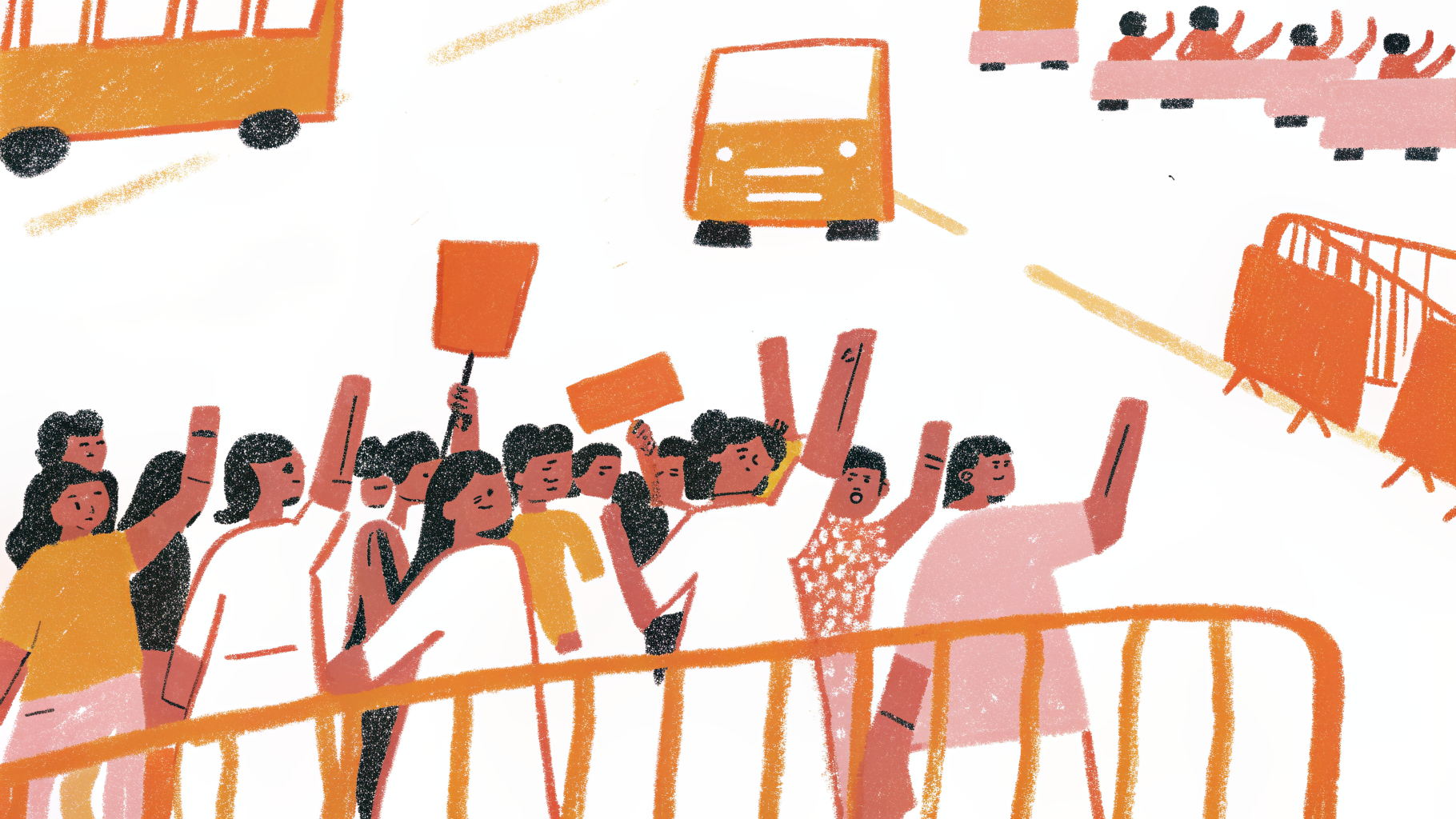
The planned a nationwide protest at Delhi’s on October 10. Police blocked access, sent tens of thousands of personnel, disrupted trains and metro services, and cut mobile internet. Thousands were detained, including leaders arrested before reaching the site. Protesters, rights groups and allege excessive force, mistreatment, attacks on journalists, sexual harassment and digital surveillance. Police ordered inquiries into some claims. Courts told authorities to protect peaceful protest, movement and internet access, and released some leaders. The government rejected outside criticism. More than 20 seek an independent inquiry, accountability and payments to victims. The dispute could affect voting rights, public trust and future protests.
More than 20 called for an independent and impartial investigation into reported excessive force, arbitrary detention and restrictions on . They also sought accountability and for people whose rights were violated. The call is an international rights recommendation, not a binding order, and the available reporting does not confirm that Indian authorities opened a comprehensive investigation or provided remedies.
A New Delhi court ordered the release of Dipke, Das and Ranka, according to their lawyers, after their preventive detention during the protest crackdown. Police released many other detainees, while reports said some CJP leaders remained in custody at different points. The court action created a judicial check on the authorities’ mass-detention response.
Protest groups and alleged baton use, injuries, mistreatment in detention, journalist targeting, internet restrictions, and sexual harassment by officers. These allegations remained disputed or under investigation rather than established findings.
Delhi Police detained CJP founder Abhijeet Dipke and leaders Saurav Das and Ashutosh Ranka after their flight from Mumbai landed in Delhi, ahead of a planned Jantar Mantar protest. The broader claim that thousands of demonstrators were detained is less firmly established.
Authorities imposed extensive security measures around central Delhi as demonstrators travelled toward Jantar Mantar. Reporting described barricades, transport and metro disruptions, and , while police blocked access to the protest area. The reports do not establish that every restriction came from the same authority or under one publicly stated order.
The youth-led and allied student and opposition groups announced a gathering at New Delhi’s . The planned action broadened the dispute from voter-roll procedures into a national protest over electoral accountability and the Election Commission. Police had not authorized the gathering at the designated site.
The of electoral rolls became the central grievance behind a widening youth movement. Protesters challenged alleged voter deletions and demanded accountability from the , including the resignation of Chief er Gyanesh Kumar. The available reports do not independently establish the full scale of alleged deletions.