
World
Starmer Plans Under-16 Social Media Ban After UK Child Safety Consultation
The government is moving from consultation to a fast policy decision, with age checks and platform rules likely to follow.
The government is moving from consultation to a fast policy decision, with age checks and platform rules likely to follow.
’s social media ban plan sits at the centre of a wider push to tighten and force platforms to change how they design and verify access. The stakes are both political and practical: ministers want to show they can move from to enforcement quickly, while companies face the prospect of broader rules that could cover more services than just familiar social networks.
The regulator is expected to play a central role in reviewing platform and overseeing how the restrictions are implemented. Companies are expected to submit plans on how they will meet the new requirements within a short timetable, reflecting the government’s push for rapid rollout. The next stage is expected to move quickly from announcement to enforcement planning and platform responses.
Ofcom would review how platforms plan to comply and oversee implementation. That gives the regulator a central enforcement role, turning the policy from a political announcement into a monitored compliance process.
Companies would have to move quickly from waiting to preparing formal compliance plans. The short timetable signals that the government wants rapid rollout, so platforms may need to redesign age checks, access controls, and reporting processes before enforcement begins.
The enforcement model discussed for the ban relies on stronger , potentially requiring users to prove their age through or similar controls. The reporting also points to a system where platforms, not parents alone, would have to prevent under-16 access before content can be reached. This shifts the directly onto tech firms.
The burden would fall mainly on platforms, not just parents. The enforcement model described would require tech companies to block under-16 access before users can reach the content, which means they would need systems that work at the point of entry.
Because the ban would only be effective if platforms can verify age reliably. The plan points to ID checks or similar controls as the mechanism for proving a user is old enough, which makes age assurance the practical gatekeeper for compliance.
Officials said the proposed rules would not be limited to familiar social networks if services offered public interaction or that children could access. The broader definition raised the possibility that some , commenting, or could be caught by the regime depending on how the final rules are written. That detail matters because it determines how far the ban could extend beyond traditional social media brands.
Any service that allows public interaction or user-generated content accessible to children could potentially fall under the rules. That could include some messaging, commenting, or hybrid platforms, depending on how the final definition is written.
It determines how far the policy reaches and who has to comply. If the rules extend beyond familiar social media brands, more platforms may need age checks, access controls, or product changes to avoid being covered.
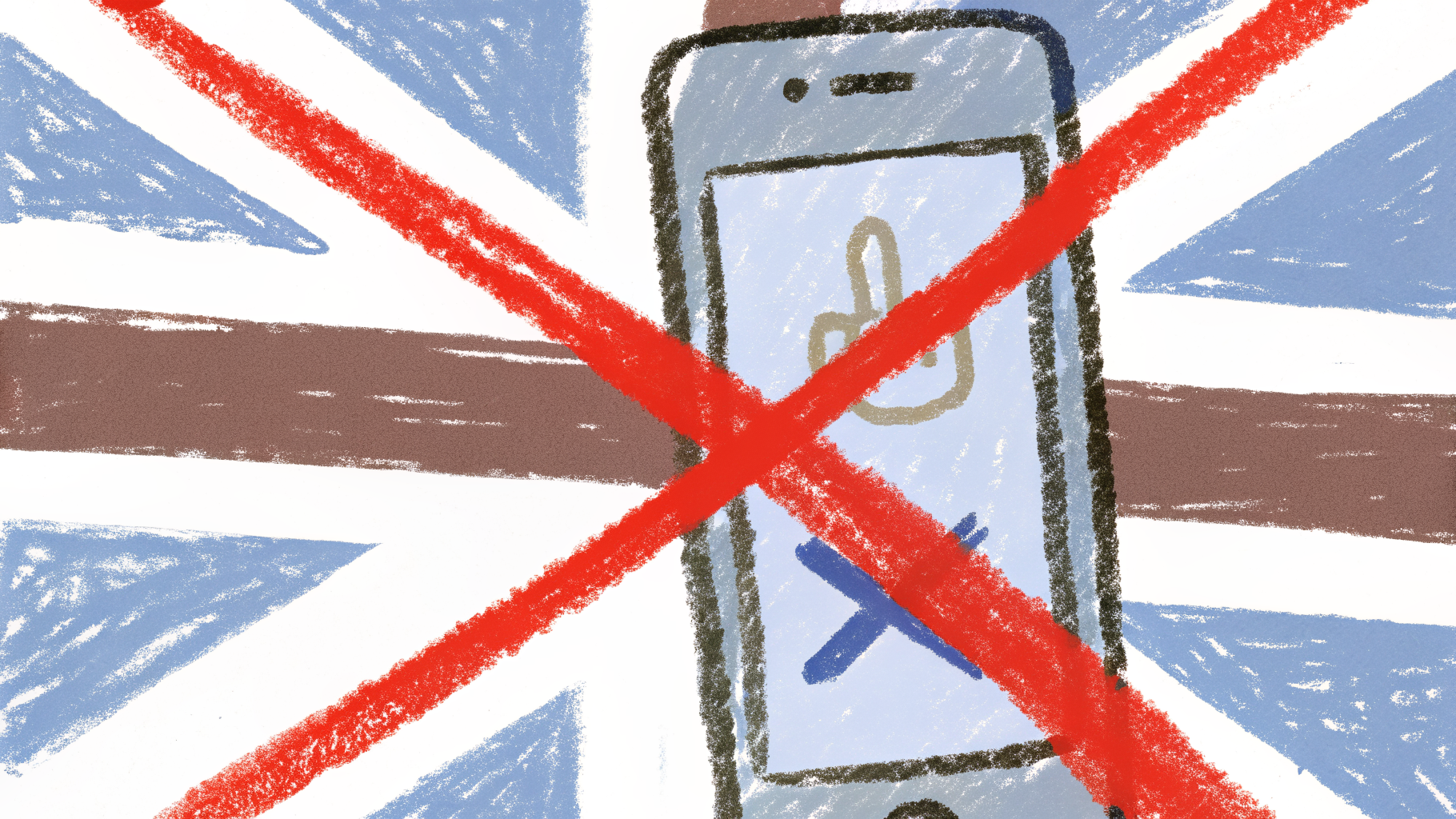
Starmer announced a plan to bar children under 16 from , presenting it as a direct response to concerns about . The announcement was described as a crackdown on platforms that expose children to addictive or damaging content. It marked the shift from consultation to a concrete policy proposal.
It turned the idea from a consultative option into an explicit policy proposal. That matters because the government was no longer just exploring responses to online harm; it was formally proposing a ban for children under 16.
The framing signaled that ministers saw platform design and content exposure as part of the problem, not just user behavior. By linking the ban to addictive or damaging content, the government indicated it wanted firms to face direct responsibility.
Keir Starmer signaled that the government was preparing to act quickly after the consultation, turning the issue into a near-term political announcement. The prime minister framed the move as part of a broader crackdown on tech firms and child online safety, rather than a long-term review. That message strengthened expectations that a on under-16 access was about to be unveiled.
It shifted expectations from a broad review to an imminent announcement. By presenting the issue as a near-term crackdown, Starmer made clear the government was preparing to act quickly rather than leave the matter open-ended.
It suggests the government had already moved beyond consultation and was preparing a concrete restriction on under-16 access. The wording also framed the move as part of a wider push against tech firms, not just a narrow child-safety review.
The consultation period recently closed, moving the process from public debate into . Ministers and officials began assessing responses to narrow down which restrictions could be justified and how they might be enforced. The closure of the consultation marked the point at which an announcement became imminent rather than speculative.
The debate moved from public input to internal government decision-making. Ministers began reviewing responses to decide which restrictions could be justified and how they might be enforced, which made a formal announcement much more likely in the near term.
It removes the main procedural pause before a policy decision. Once officials finished collecting responses, the government could narrow the options and move toward enforcement planning rather than continuing to test public opinion.
Ministers increasingly discussed enforcement through age verification, rather than relying only on self-declaration by users. The policy debate also included limits on features such as infinite scrolling and other design choices seen as encouraging compulsive use. These ideas indicated that the government was thinking about both access controls and as part of the same child safety package.
Ministers were moving toward age verification instead of relying on self-declared birthdays. That would make access harder to fake and could force platforms to use stronger age assurance before children can enter restricted services.
The policy debate included limits on infinite scrolling and similar features designed to encourage compulsive use. If adopted, that would shift the crackdown from just blocking underage access to changing the product itself.
As the policy discussion developed, the government began treating the issue as broader than traditional social networks alone. Reporting and official language pointed to possible coverage of services with public commenting, user-generated content, messaging tools, and other features that can expose children to harm. That widened the practical scope of the proposed crackdown and made the definition of a a central question.
Because the policy could reach beyond familiar social networks to services with public commenting, user-generated content, or messaging tools. If that broader definition is adopted, more companies could fall under the rules than a narrow social media ban would cover.
It raises the chance that services not usually seen as social media could still face child-safety duties if their features expose children to harm. That would make compliance a company-wide issue, not just a problem for the biggest social networks.
Officials said the consultation would gather evidence from parents, children, and experts before ministers decided which restrictions to prioritize. The government framed the exercise as the basis for future action, rather than a final decision, while leaving open options on age limits, , and other safeguards. This set up the policy process that later led to the social media ban debate.
The consultation was meant to collect evidence from parents, children, and experts before ministers chose which restrictions to prioritize. That gave the government a way to test options before committing to measures that could affect access, content controls, and platform design.
Officials left open age limits, content controls, and other safeguards rather than choosing one model upfront. That meant the consultation could support a broad package, not just a single social media rule.
The UK government said it would move quickly on child online safety, using new powers to act on the results of an upcoming consultation on children’s digital wellbeing. The announcement said ministers could move faster on measures such as a and limits on addictive features like infinite scrolling. It also signaled wider action on AI chatbots and other online harms affecting children.
Ministers said they would act quickly after the consultation instead of waiting for a long policy cycle. They also signaled that the crackdown could combine age limits, design rules, and action on AI chatbots, which broadens it beyond a simple social media ban.
The government treated features like infinite scrolling as part of the harm, not just the content children see. That matters because it points to product design changes, so platforms could have to redesign how they keep users engaged, not only police who can sign up.