
Science & Tech
The UK’s New Approach to Regulating Social Media
The debate is moving from access to how platforms shape behaviour
The debate is moving from access to how platforms shape behaviour
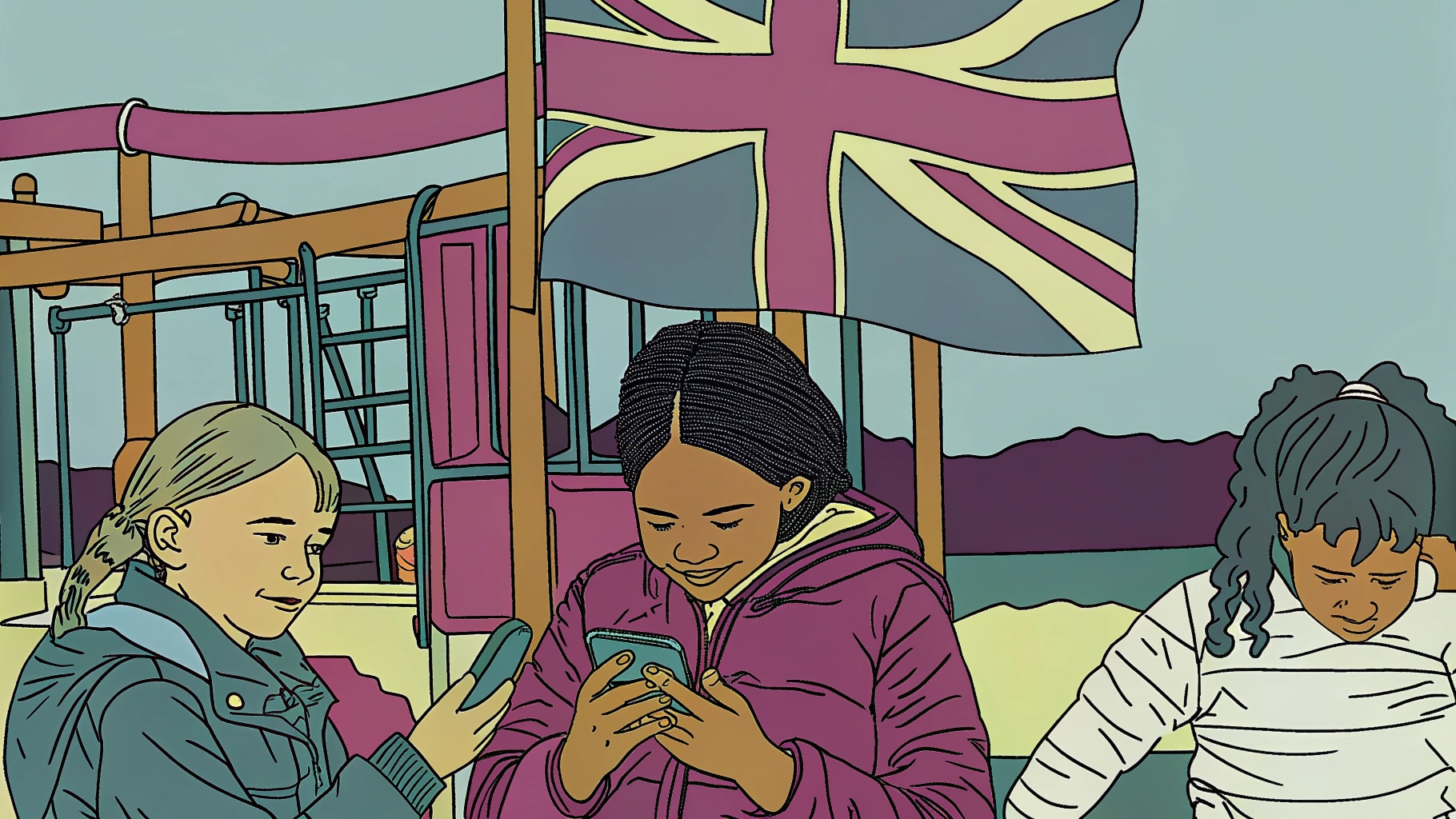
Social media restrictions for children are no longer just theoretical ideas, they are actively being tested and debated across multiple countries. Places like Australia have already passed laws to restrict access for , while others are experimenting with limits and curfews. In the United Kingdom, this shift is accelerating through real-world trials, stricter rules, and serious discussions of a potential ban. What started as concerns about harmful content has now evolved into a broader push to control access, design, and usage. This signals a global turning point where social media is increasingly treated as something that needs regulation similar to public health or safety systems.
The UK government begins issuing on , especially for children. This shows regulation moving beyond illegal content into everyday usage patterns. Social media is now treated as something that affects and health. The scope of regulation continues to widen.
A US court finds and responsible for addictive harm to a user. This ruling strengthens arguments that platforms themselves can be harmful. UK leaders use this as justification for stricter regulation. It adds global legal pressure to act quickly.
Regulators demand stronger age checks to prevent children from accessing harmful content. tells platforms to implement highly effective systems. This becomes essential for enforcing bans or restrictions. Without it, any rule would be easy to bypass.
UK leaders target addictive platform features like and . These features are seen as deliberately designed to increase usage and dependency. The argument is that harm comes not just from content but from how platforms are engineered. This introduces design-level regulation.
The UK launches with hundreds of teenagers to test bans, time limits, and . These experiments aim to measure impact on sleep, school performance, and . This shows a move toward evidence-based regulation. Policy decisions are now being backed by real-world data.
UK lawmakers begin seriously debating a on for . The House of Lords supports an Australian-style restriction, showing growing political momentum. The debate shifts from making platforms safer to questioning if children should be allowed at all. This becomes a central policy question.
The UK government places at the center of social media regulation. Concerns around , , and harmful exposure are highlighted in debates and policy moves. This reframes social media as a child safety issue, not just a tech issue. It drives stronger and faster regulatory action.
The UK starts moving beyond removing harmful posts and begins questioning how social media platforms are built. Regulators and leaders argue that features like and feeds themselves can create harm. This marks a shift from content moderation to . The idea that platforms shape behaviour becomes central to policy thinking.