
World
Two Workers Pulled Alive From Nepal's Trishuli-3A Tunnel After Nine Days Of Flood Trapping
Are more trapped workers still alive inside the flood-hit tunnel?
Are more trapped workers still alive inside the flood-hit tunnel?
The disaster has become a test of Nepal’s ability to respond to major s, where survival depends on reaching workers trapped deep underground before mud and debris make rescue impossible. The breakthrough of pulling two men out alive after nine days, followed by reports of more voices inside, has kept hopes alive while underscoring the danger, uncertainty, and scale of the .
Authorities kept searching the tunnel while assessing the remaining risks from . and remained involved as officials tried to verify how many people were still inside. The case remained open as both a rescue mission and a test of Nepal’s .
After the first two rescues, teams reported hearing more than one voice from deeper inside the tunnel. Reports said rescuers called out to the and received a response, raising hopes that additional survivors might still be alive. Officials had not fully confirmed every detail publicly, but the reports kept the operation active and urgent.
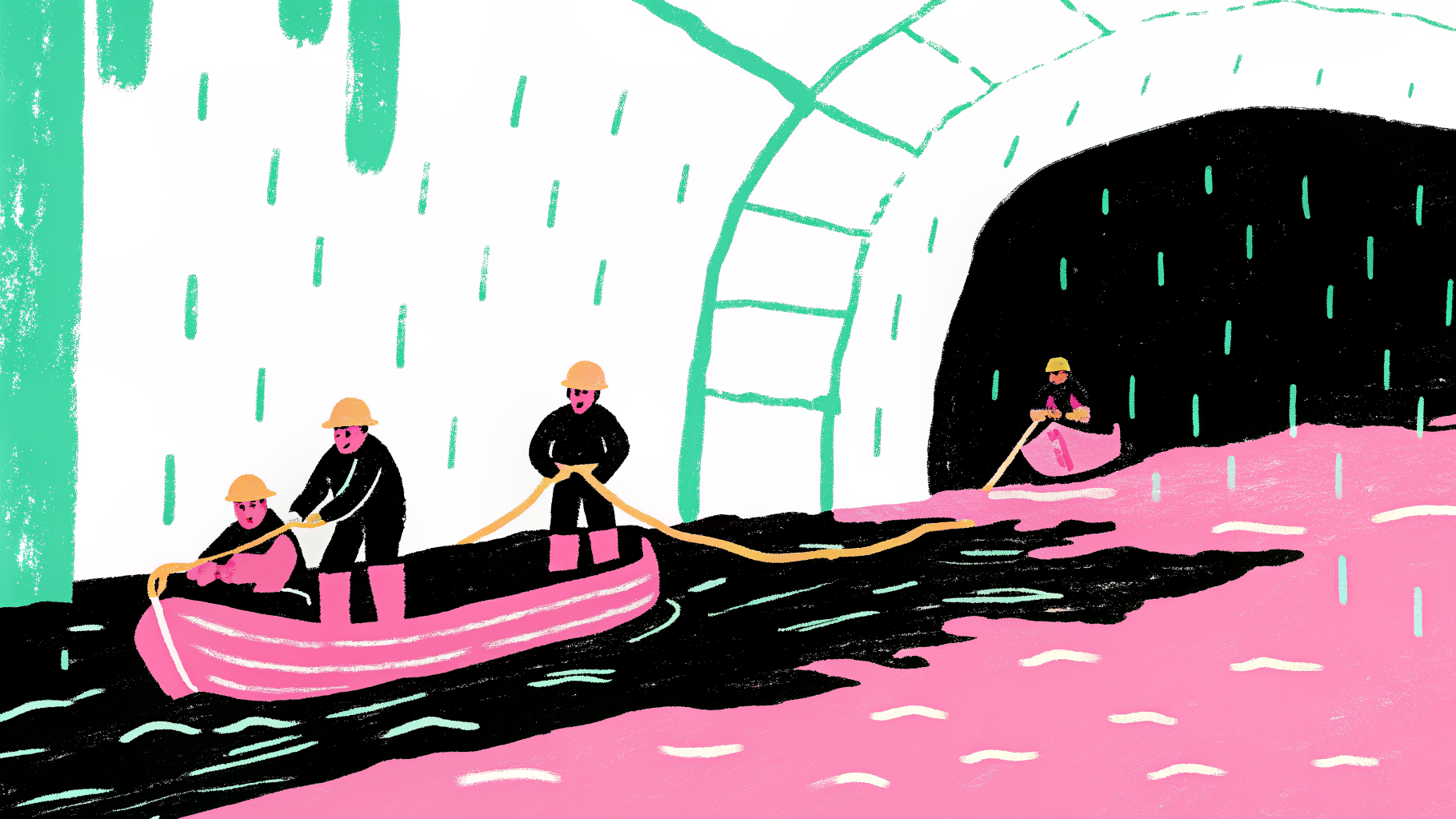
Nine days after the floods, pulled two workers alive from the . News reports identified the survivors as Sanjay Shah and Kabir Maharjan, and said the breakthrough came during an to reach others still believed trapped. The rescue became the central turning point in the story and confirmed that survival was still possible inside the tunnel.
Rescuers started drilling into the and in an attempt to reach survivors. Teams also used cameras to search deeper inside the passage, a sign that the operation had entered a high-risk . By this point, the rescue had become a race against time and unstable debris.
Nepal stepped up the operation with large numbers of troops and , while specialists from China and India joined the effort. Reuters reported that were involved in tunnel rescue work, underscoring the scale of the response. The growing deployment showed that the Trishuli operation had become one of the country’s most complex rescue efforts.
Indian specialists and Nepali responders carried out on-site checks at the flood-hit hydropower tunnels to plan . The operation faced major obstacles from mud, , and unstable access points, making direct rescue work slow and dangerous. The focus remained on reaching trapped workers alive rather than treating the site as a .
Nepal requested outside help as the underground rescue proved difficult, and India sent and to assist. An reached Nepal and began surveying the flood-hit tunnels to support search operations. The move showed how the disaster had become a cross-border rescue effort.
Officials said people were inside tunnels at the Trishuli-3A hydropower project after the flood hit. The situation quickly shifted from flood damage to a search for survivors, with the tunnel buried under mud and . Early estimates suggested dozens could be missing across the wider .
Severe struck Nepal’s and damaged the , setting off the tunnel emergency. The floodwaters and debris cut access routes and raised fears that workers inside had been trapped. Reports linked the disaster to the broader wave of flooding that hit Nepal that week.