
World
Trump Greets Xi At Andrews As U.S. And China Extend Trade Truce
The visit opens talks on tariffs, AI, security, and Taiwan.
The visit opens talks on tariffs, AI, security, and Taiwan.
Trump’s rare airport welcome for Xi at Joint Base Andrews points to a warmer tone in a tense U.S.-China rivalry. The visit matters because both economies are relying on a short-term to avoid new and keep key minerals and goods moving, while bigger disputes over tech, and Taiwan stay unresolved.
For workers and shoppers, the risks are jobs, prices and supply chains. If the truce lasts, it lowers the chance of higher costs and market shocks. If it falls apart, companies could face more disruption and consumers could see it in products from phones to basic household goods. The meeting shows both sides want calm, but neither is giving up leverage.
The visit ended with the still fragile and major disputes unresolved, leaving follow-on talks over and ahead.
Security issues, especially Taiwan, remained part of the summit agenda even as both leaders emphasized . Reporting made clear that the visit was meant to manage tensions, not resolve the deeper .
The summit’s core policy test centered on whether the could be turned into something more durable. Trade, , , and were all part of the negotiation, with each side also protecting .
The and summit discussions moved into the formal ceremonial phase on September 24. and framed the meeting as an effort to project managed engagement despite continuing rivalry.
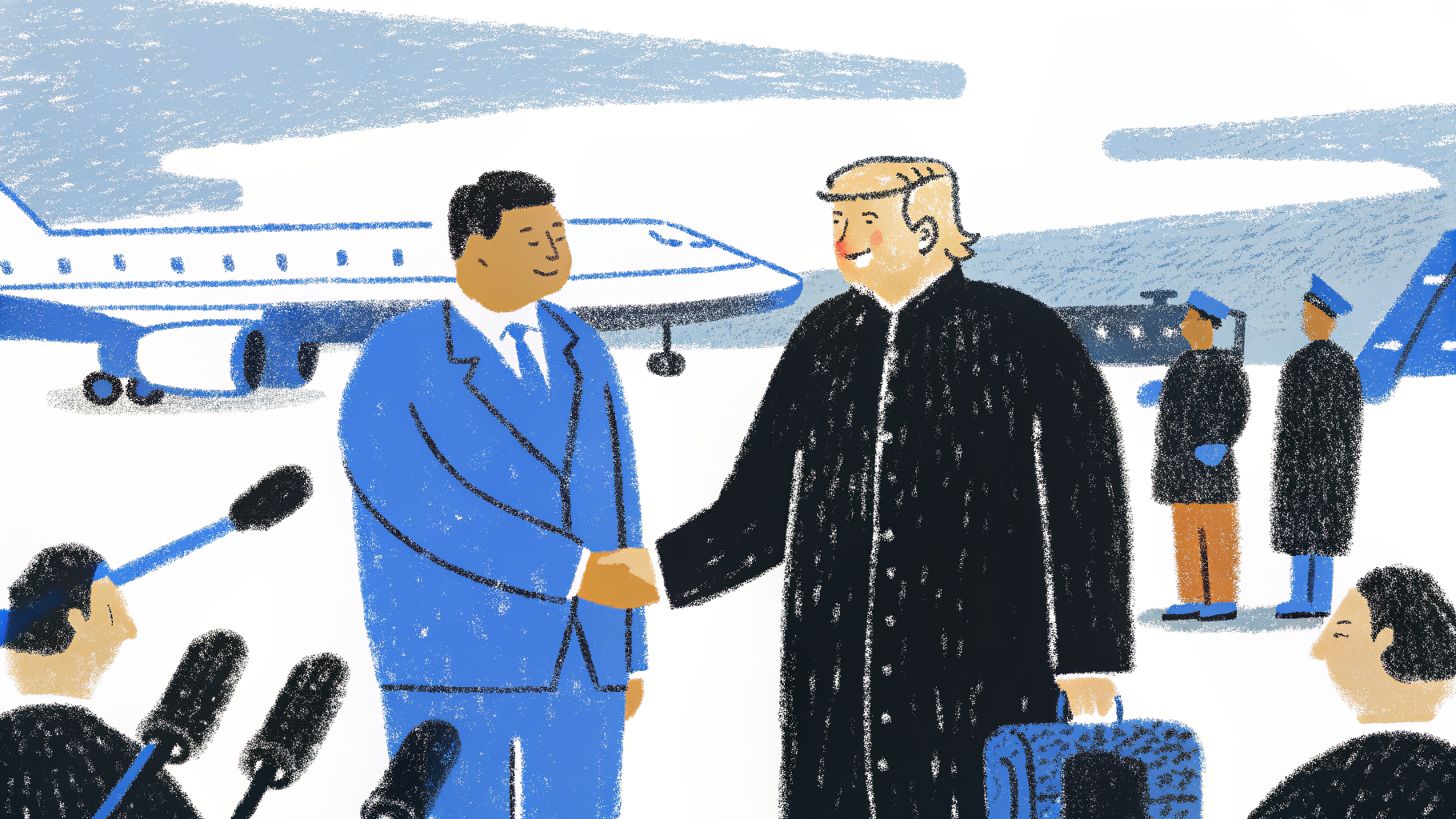
Trump personally welcomed Xi at , a rare airport reception for a foreign leader. The choreography underscored a warmer tone in the handling and suggested a possible new phase in U.S.-China diplomacy.
Xi began his U.S. on September 23, marking the start of the three-day diplomatic trip. Coverage described it as his first trip to the United States in nearly three years and the latest attempt to steady the relationship.
As Xi arrived, the two sides agreed to extend the by two months, pushing back the risk of fresh . The move gave both governments more room to negotiate while avoiding an immediate return to a sharper trade fight.
Pre-summit reporting sd the talks would cover trade, , , Twan, and . The agenda showed that the meeting was not just about tariffs, but about managing strategic rivalry as well.
China confirmed that Xi Jinping would travel to the United States for a from September 23 to 25 at Trump’s invitation. The announcement formally set the for the summit and confirmed that the visit would be handled as a major state event.
U.S. reporting said Trump planned to personally greet Xi at , rather than waiting for a formal White House arrival. The unusual airport welcome was presented as a rare break from and a signal of how much weight the White House placed on the visit.
Coverage said both governments wanted the truce extended, but not for the same length of time. Reports also said the package could include , , and some , showing how trade and technology were already linked in the talks.
Reporting ahead of the summit said the truce was due to expire on , and investors were watching for signs of another extension. The looming deadline raised the risk of renewed and sharper .
The two sides later extended the formal , keeping in check for a limited period. That extension became the immediate framework for market planning and for the next deadline facing negotiators.
Trump and Xi reached a at their Busan meeting, with Washington agreeing not to add new and Beijing committing to keep and other flowing. The deal became the baseline for the next round of talks and later shaped expectations for the Washington visit.