
World
Trump Calls Iran Talks The Last Chance For Deal
Can diplomacy hold while both sides dispute what is actually being negotiated?
Can diplomacy hold while both sides dispute what is actually being negotiated?
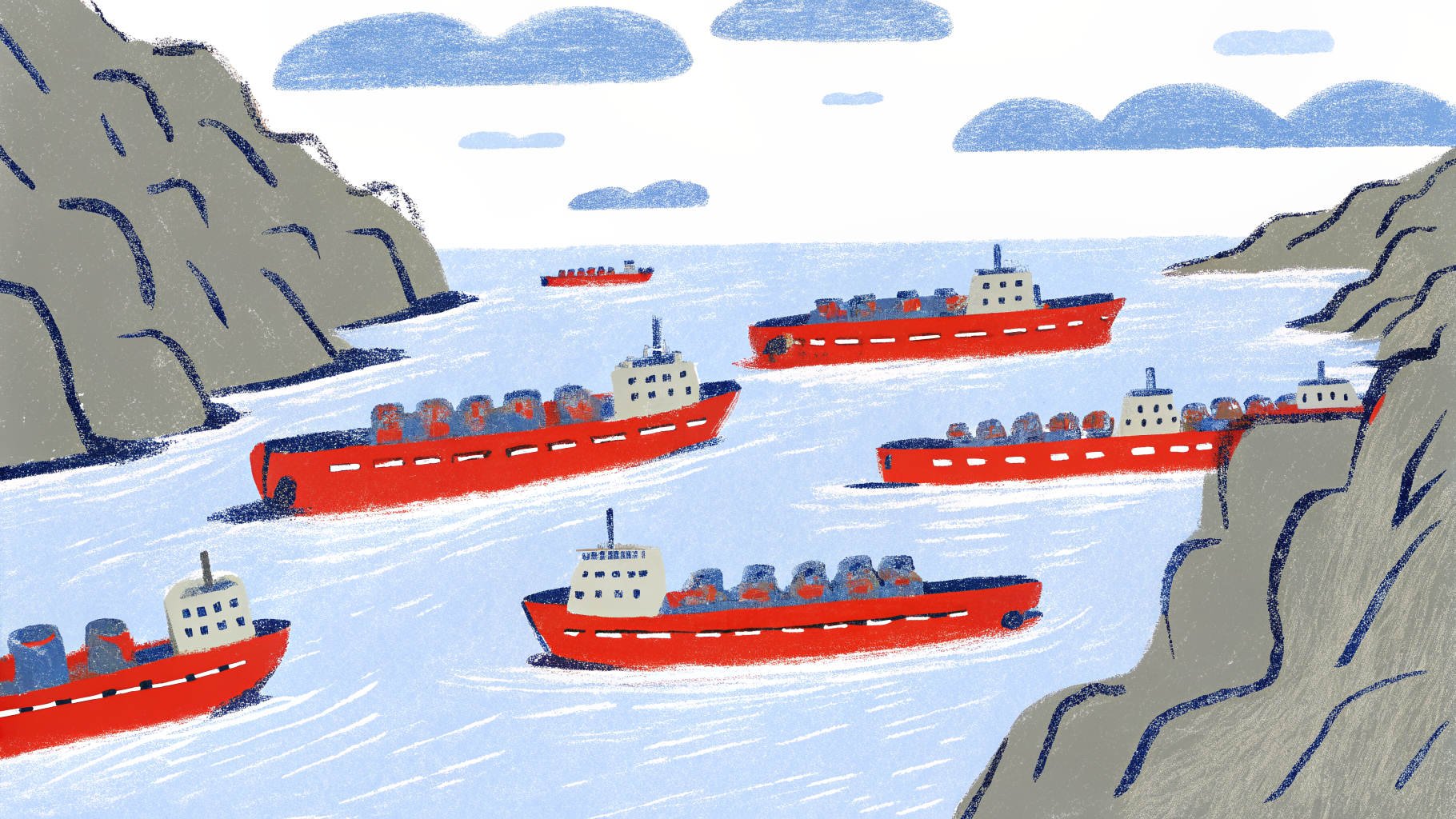
Trump’s latest warning to Iran comes after months of brinkmanship that tied to control of the , the key waterway that carries a major share of . The stakes are now broader than the U.S.-Iran dispute itself, because any collapse in talks could trigger renewed , , and jolt energy markets.
The latest reporting says the talks are tied not only to but also to management of the Strait of Hormuz, where any disruption would affect global oil and flows. Iran’s foreign minister said Tehran and Oman were in the final stages of talks on the strait, while U.S. coverage warned that a failure could quickly revive military strikes. The immediate consequence is a high risk of and broader regional escalation if diplomacy breaks down again.
Trump said talks with Iran were underway and described them as Tehran’s "last chance" to reach a deal, framing the moment as a final test of . He also said he had halted planned attacks at the request of , which underscored the regional stakes of the negotiations. Reuters and Washington Post reporting showed Iran was still denying Trump’s account, making the latest warning part of a disputed and unstable diplomatic sequence.
Trump said he had called off major attacks and that negotiations with Iran would begin Monday, with a deal on and possible. Iranian officials rejected that account, saying they had no plans for direct talks with Washington and that their only discussions were with . The mismatch in narratives became central to the standoff because it showed how little agreement existed even on whether talks were really underway.
Trump told Fox News that U.S. forces could target Iranian infrastructure, including power plants and bridges, if diplomacy failed. CNBC reported that Iran called the a red line and threatened retaliation if the U.S. followed through. The exchange raised the risk of wider regional escalation and made more plausible.
After threatening new attacks, Trump said he had canceled planned strikes on Iran so talks could continue. CBS and PBS reported that the decision was tied to discussions involving the Strait of Hormuz and . The pause showed that military pressure was being used as , not yet as a final decision to go to war.
June fighting featured U.S. and Israeli strikes on Iran, followed by a that temporarily slowed the military spiral. Reporting at the time said the pause created room for renewed diplomacy rather than immediate . That became the backdrop for the later push to pair a nuclear deal with maritime arrangements in Hormuz.
Trump escalated again by threatening bombing if Iran did not meet his deadline on the Strait of Hormuz. Coverage at the time said he also suggested there was still a chance for a deal, while Iran mocked the threat and rejected the premise of his . The episode sharpened fears that any failure in talks could quickly hit oil and LNG shipping through the waterway.
Trump warned that the United States would destroy Iran’s and oil resources if Tehran failed to reopen the . Reuters said the warning came as Iran dismissed U.S. peace initiatives as "unrealistic" and continued missile strikes against Israel. This tied nuclear diplomacy directly to the global energy chokepoint that carries major oil and traffic.
Trump said Iran had only about to negotiate, and he warned of severe consequences if it did not engage. Reuters reported the U.S. was also building up forces in the Middle East, while Tehran threatened U.S. military installations if attacked. The deadline helped turn the dispute into a fast-moving crisis rather than a slow diplomatic process.
President Donald Trump warned Iran to make a or face a much worse U.S. military response, setting a more coercive tone for the months that followed. Tehran ответed that it would retaliate more fiercely if attacked, underscoring how quickly diplomacy was being paired with messaging. The warning became an early marker of the pressure campaign that later shifted toward the Strait of Hormuz.