
World
Trump Ties Iran Strike Halt To Fast Deal Push
Will the pause buy time for nuclear limits, sanctions relief, and safer shipping?
Will the pause buy time for nuclear limits, sanctions relief, and safer shipping?
Trump’s Iran policy in this story is about using as leverage for a fast bargain that would curb Tehran’s and secure through the . The stakes are high because any deal could ease and reduce the risk of wider conflict, but the balance remains fragile while Iran has not confirmed a and the terms are still disputed.
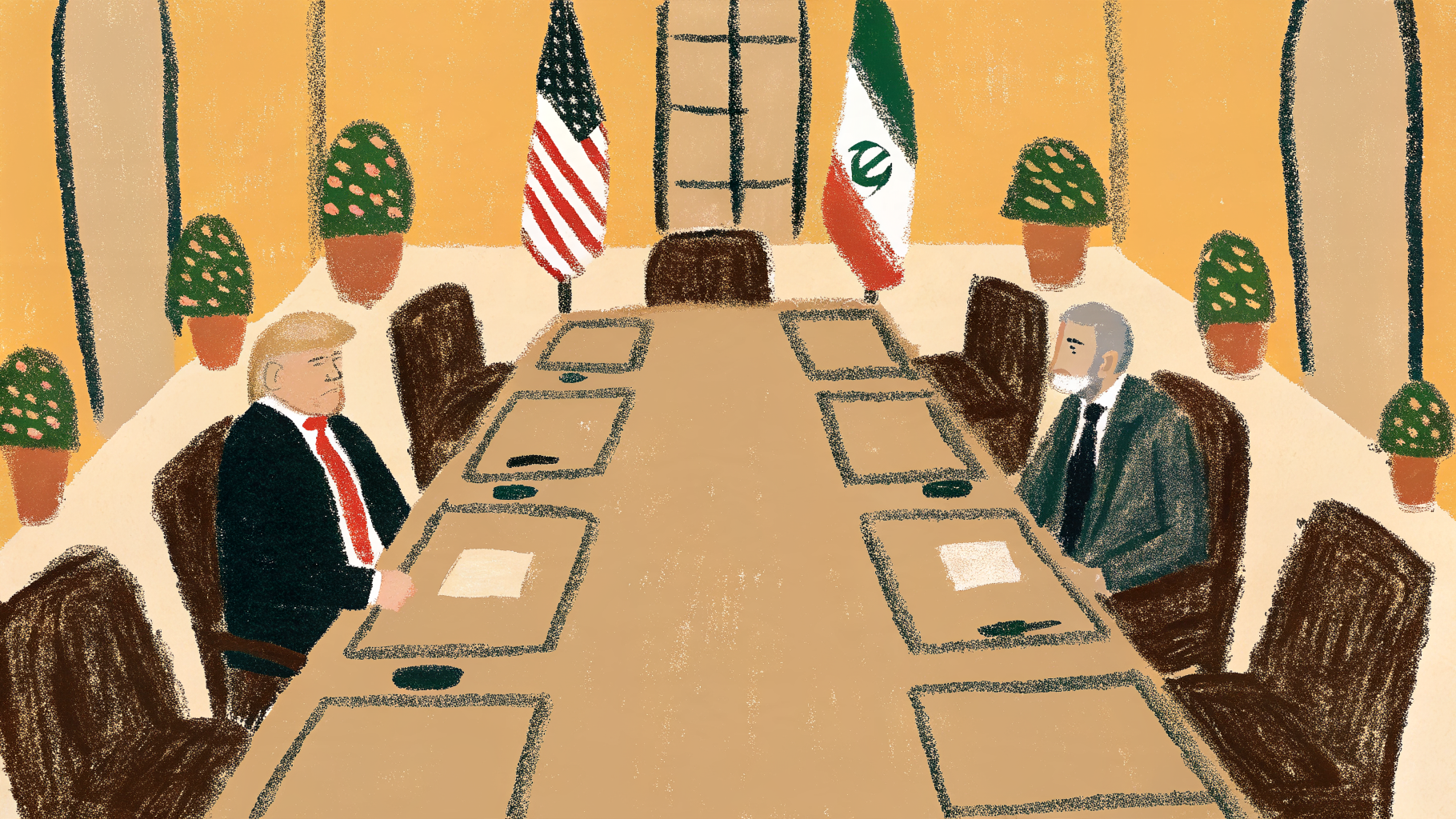
Trump again said a settlement was near, but Iran’s maintained that the reports were speculative and that no final agreement existed. The latest coverage said the parties were still working through document finalization and that a could happen later, but only if were approved. As of the latest reports, the deal remained under discussion rather than fully confirmed by Tehran.
After Trump described the deal as essentially complete, Iranian officials said nothing had been finalized. Reuters and other reporting said the agreement was still subject to final documents and that Tehran rejected claims of a done deal, with no publicly confirmed. This kept uncertainty high over sanctions relief, , and the mechanics of reopening .
The U.S. and Iran signed a 14-point that formalized the , ended the U.S. naval blockade, and reopened the . The framework also dangled broad and a 60-day period to negotiate a permanent settlement. The central unresolved questions were Iran’s and how passage through the strait would be policed.
Trump announced he was canceling planned strikes and bombings against Iran, saying talks had reached the highest levels of Iranian leadership and received approval. He said the sides had agreed in concept on a that could be finalized soon, while the and remained tied to the agreement being completed. The announcement briefly eased market fears of immediate escalation.
Trump repeated that an agreement to end the conflict could be reached within days and said the Strait of Hormuz would reopen immediately once a deal was done. That tied the path to de-escalation directly to maritime access, , and limits on . Markets watched closely because any breakthrough would affect shipping, oil exports, and .
Trump said he had called off a planned strike on Iran at the request of , including . He described the negotiations as “serious” and implied a deal could be close, reinforcing the idea that regional states wanted to avoid a broader conflict. Their urgency reflected the direct risk to oil flows and the .
Trump said the operation against Iran would be paused amid what he called “great progress” toward a deal. Reporting and conflict trackers at the time described the pause as part of a wider ceasefire-and-negotiation track, with and still unresolved. The message suggested Washington was trying to convert into .
Trump extended the pause on strikes against , saying talks with Iran were going well. He said the delay followed a request from , showing the military threat was being used to keep negotiations alive. The extension also lowered pressure on and in the short term.
Trump said he was postponing planned on for five days while continued. He framed the pause as conditional on progress in the talks, signaling that force would remain on the table as . The move immediately reduced near-term for shipping and energy markets.