
World
Trump Netanyahu reset after the Iran war
What does their first postwar meeting mean for Iran, Lebanon and the Abraham Accords?
What does their first postwar meeting mean for Iran, Lebanon and the Abraham Accords?
Trump and Netanyahu’s latest meeting reflects a shift from wartime coordination to a harder question: what kind of should follow the . Both leaders want to claim victory while avoiding open rupture, but they are still balancing competing goals over Iran’s future, pressure on in Lebanon, and the wider push to expand in the Middle East.
Reuters said Trump had paused after a collapse in the ceasefire and was giving diplomacy another chance, showing that the fighting had eased without a final resolution. The core questions remain whether Iran will be kept from rebuilding its , how Lebanon will be handled, and whether Trump and Netanyahu can stay through the next phase.
The leaders presented a united front in public, but the meeting came after weeks of friction over Israel’s and Trump’s push to wind down the war. Earlier reports said Trump had been irritated by Netanyahu’s , including open disputes over the scope of fighting and the pace of .
The meeting centered on how to handle Iran after the and on linked diplomacy with Lebanon and the . Reuters and AP said Trump wanted a broader settlement, while Netanyahu still faced pressure over Lebanon and over whether Israel would accept a narrower .
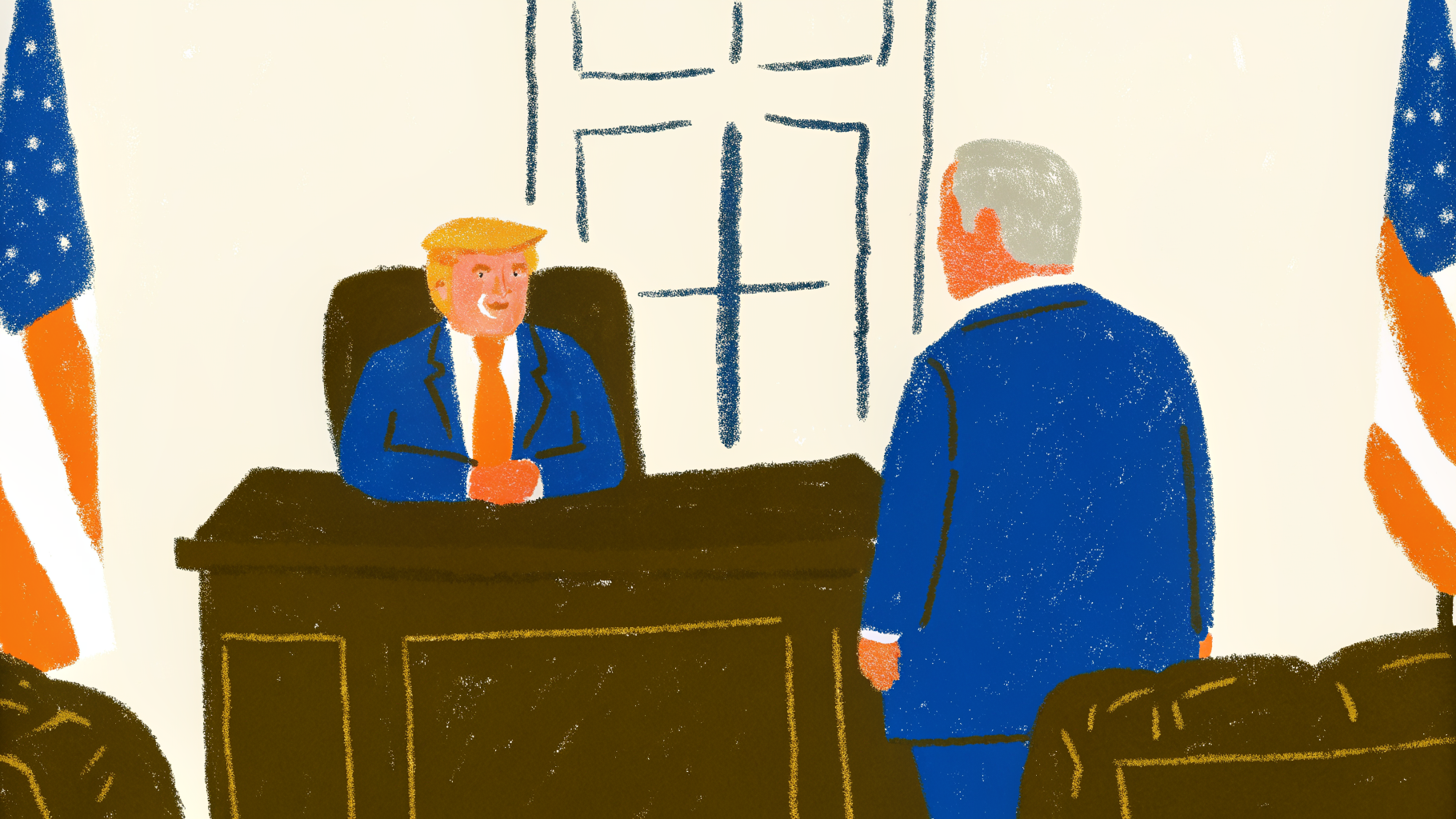
Trump and Netanyahu met privately in the for about 90 minutes, with reporters kept out, and both sides described the session as productive. Axios reported that the Israeli government said there was between the two leaders, while the White House called the meeting “good and productive.”
Netanyahu returned to Washington for his first in-person meeting with Trump since the Iran war began. White House officials said the agenda would focus on Iran’s next phase, talks involving Lebanon, and efforts to expand the , underscoring that the meeting was about the as much as the fighting itself.
After about 100 days of war, analysis from several outlets said the initial plan for a quick strike had broken down and Trump and Netanyahu were no longer pursuing the same objectives. Trump was increasingly seen as interested in ending the conflict, while Netanyahu still wanted to press the military campaign and reshape the .
By early May, reports said Netanyahu had been stressing “full coordination” with Trump while media accounts described the Israeli role in as diminishing. Commentators and diplomats began warning that the two leaders were no longer fully aligned, especially on whether the conflict should move toward a negotiated end.
Trump told reporters aboard that his relationship with Netanyahu was “extraordinary,” a public sign that the wartime partnership was still intact early in the conflict. That upbeat posture later contrasted with reports of growing disagreement over how far the war should go and how it should end.
Trump and Netanyahu began their against Iran, opening the conflict that later became the backdrop for their . AP and other outlets later described the February 28 meeting as the moment the two leaders launched the war together, with Netanyahu having persuaded Trump that the time was right for action.