
World
Trump escalates Iran threat as markets slide
Will the latest warning push markets into a deeper war-risk selloff?
Will the latest warning push markets into a deeper war-risk selloff?
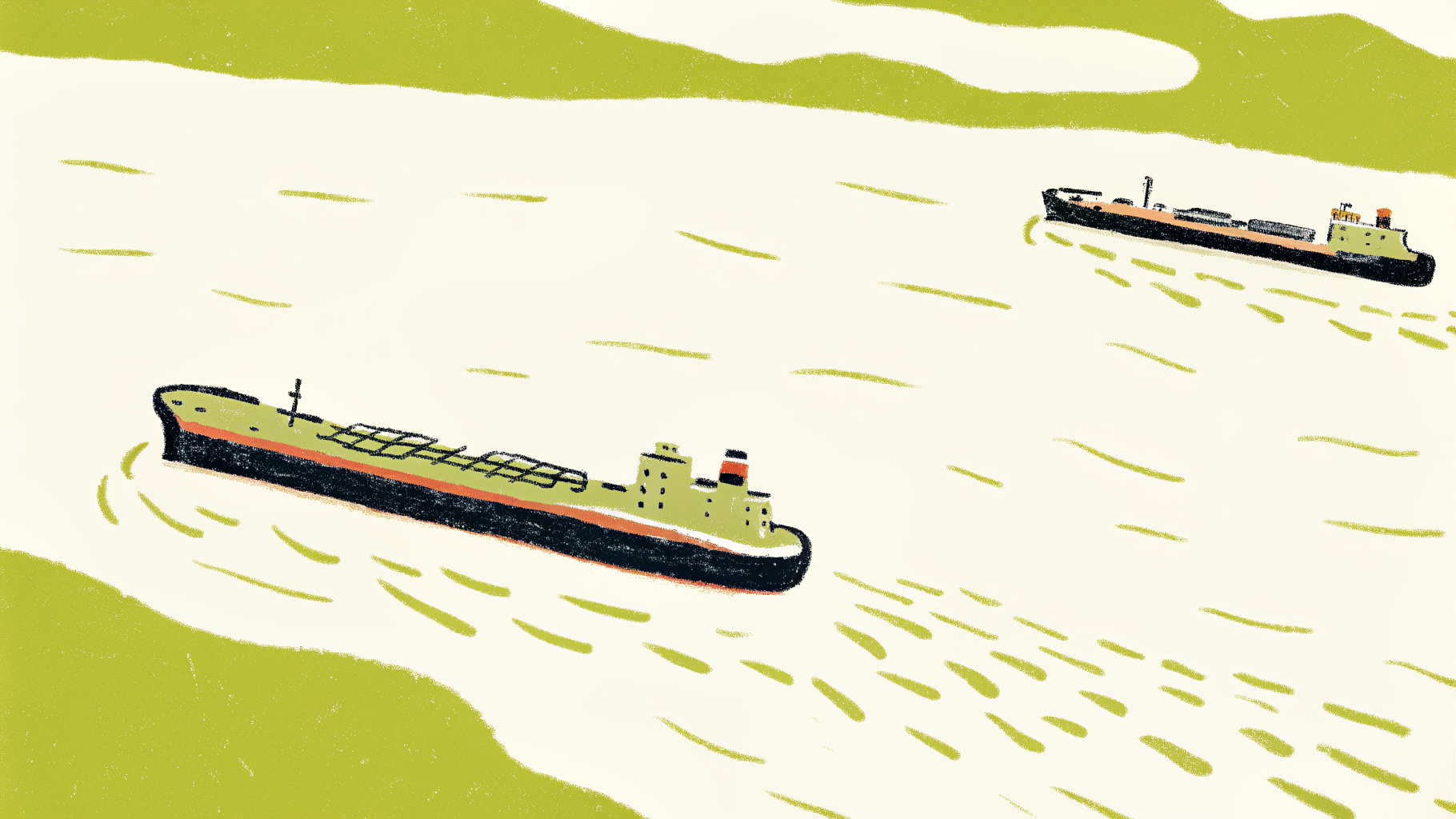
Trump’s Iran threat sits inside a wider struggle over whether force or negotiation will control the , a that carries about a fifth of global oil trade. With military action already disrupting shipping and energy supplies, every new ultimatum or pause has moved markets because investors are pricing the risk of a and a renewed .
and regional actors now face the choice between renewed , cautious , or waiting out the . The remains the central strategic and economic flashpoint, so any military move there would quickly reshape oil and equity markets again.
The latest threat prompted immediate attention to any or clarification about whether the warning was a or a real . Official responses matter because they determine how seriously markets and regional actors should treat the threat of renewed U.S. military action.
Markets moved lower as the Bloomberg report revived concern about a broader conflict, higher oil prices, and a deeper . Investors reacted to the possibility that the crisis could again threaten and disrupt global energy flows.
Bloomberg reported that Trump was threatening a major new strike on Iran, reviving fears that the conflict could widen again. The report landed after months of unstable ceasefire and , making it the latest and most market-moving signal in the story.
At the , Trump said he believed the had ended and suggested further attacks could follow. CFR said he also raised the possibility that the U.S. Navy could reinstate a of Iranian ports, signaling renewed pressure after the pause unraveled.
The pause and talk of negotiations temporarily cooled the around the Iran crisis. Energy traders and investors had been watching the strait and the possibility of wider strikes closely, so the ceasefire language reduced some immediate pressure before later reversals.
Trump announced a two-week pause in bombing and assaults, briefly lowering tensions after the latest round of threats. The pause was tied to expectations that Iran would allow oil shipments through the , showing how closely , military pressure, and were linked.
Trump’s public ultimatum sharpened the timing of the crisis by setting a specific for Iranian compliance. Reporting said he warned of strikes on , including bridges, power plants, and energy and transport facilities, if Tehran did not reopen the strait.
As the standoff deepened, Trump’s warnings increasingly centered on reopening the , the key route for global oil shipments. Coverage said his deadlines and threats tied any relief in fighting to Iranian access through the waterway, making the choke point the core in the crisis.
Trump and senior aides shifted between talk of winding down the campaign and rejecting any defined . chief Pete Hegseth said the administration would not impose a definite deadline, leaving the conflict open-ended and keeping markets focused on escalation risk.
Trump warned Iran that it had only 10 to 15 days to make a deal, while also threatening severe consequences if it did not comply. Reuters said the warning came as the United States in the , raising fears of broader conflict.
Iran answered with missile and drone attacks on U.S. and allied targets, including threats to and vessels linked to Gulf transit. That response turned a bilateral military clash into a wider energy and trade risk centered on .
The latest phase of the confrontation began when U.S. and Israeli forces opened a against Iranian military and . Reporting described the operation as a major escalation that immediately broadened the risk of retaliation across the region.