
Politics
Trump Puts AI Oversight Under White House Control
Jay Clayton must deliver recommendations within 120 days.
Jay Clayton must deliver recommendations within 120 days.
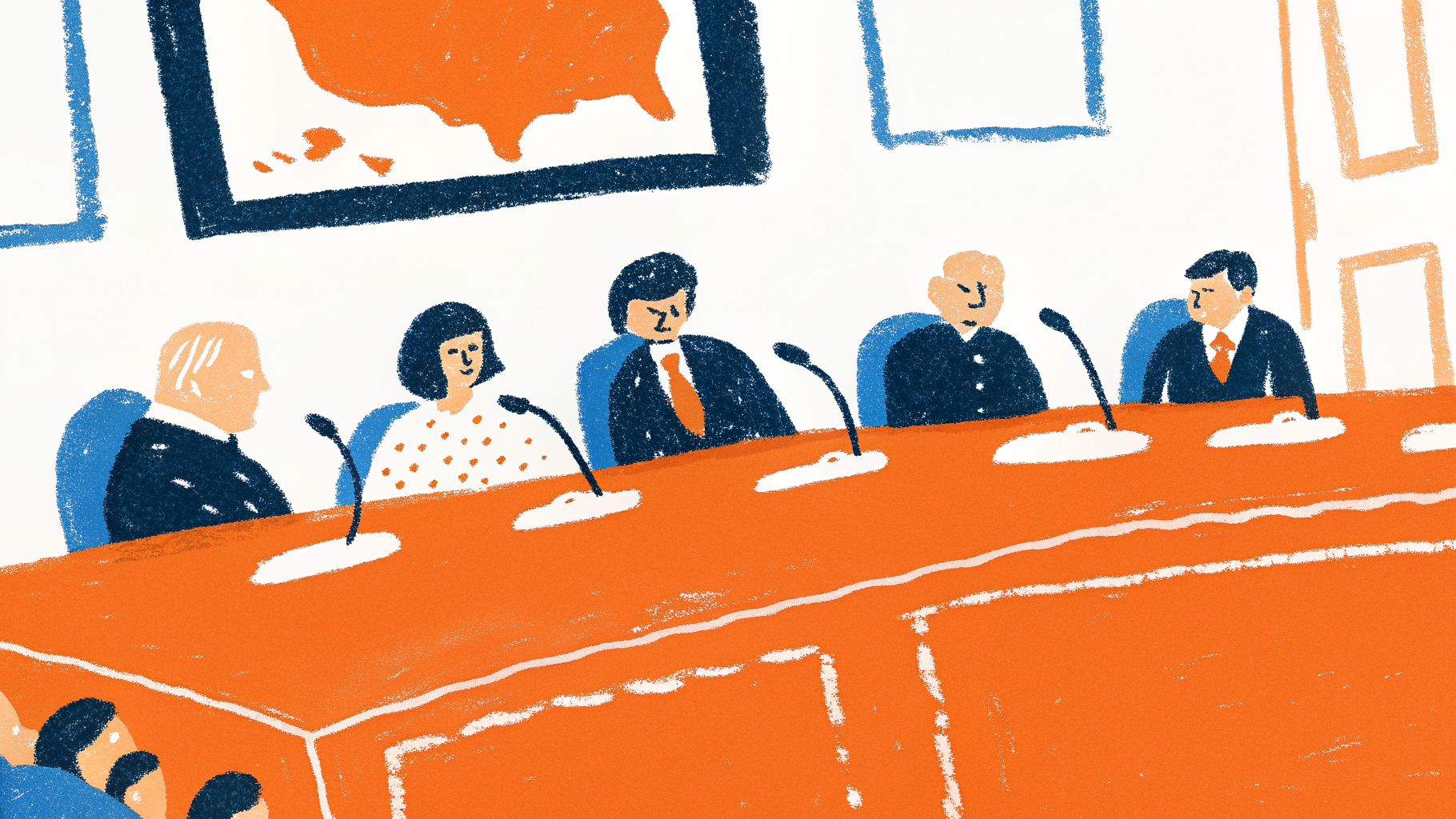
Trump’s new AI push puts the White House in charge of a fast-growing tool that companies have mostly shaped on their own. After a with major tech firms, the administration created a led by . It will study the risks and benefits of AI and recommend what should come next.
The move matters because it could decide whether oversight stays light or becomes real. Supporters say the White House needs a faster way to protect consumers, workers, and . Critics will see a familiar pattern: big promises, but no clear penalties yet. For most people, the result could shape how safe AI tools are, how much companies are watched, and whether future rules change jobs, prices, and daily life.
Later coverage emphasized that the original remained and carried no penalties, while the new task force mainly adds coordination and recommendations. The open question is whether the White House will turn those recommendations into or leave largely in industry hands.
The task force was described as to Trump and Susie Wiles. That reporting chain showed how tightly the administration was AI oversight inside the White House rather than delegating it to an .
Clayton said the group had to research AI’s risks and opportunities and to recommend what the federal government should do. The deadline turned the announcement into a concrete policy review with a near-term deliverable for the White House.
The task force was said to include Andrew Ferguson, Emil Michael, and Director Scott Kupor. The mix signaled a cross-agency approach spanning consumer protection, defense technology, and federal workforce oversight.
Jay Clayton, the director of national intelligence, was named to lead the new task force and effectively serve as the administration’s . Coverage said his selection linked the initiative to a rather than a traditional tech policy office.
Reporting said the White House created a new to examine AI’s risks and opportunities and recommend what role the federal government should play. The group was described as the , marking a move from a voluntary industry pledge to a formal White House-led process.
The administration began using the term '' in official references to its AI initiative and accord, framing it as a .
Trump and executives from Anthropic, Google, Meta, OpenAI, xAI, and Nvidia signed a on AI safety. The agreement called for , , and , but it did not create legal penalties or a government enforcement role.
Trump met major AI company leaders at the White House and framed the gathering as a push for industry rather than immediate federal regulation. The meeting set up a covering safety and oversight, with officials describing it as a new commitment from the companies themselves.