
World
Power plants are hit hours after Trump announces energy ceasefire
The disputed deal leaves protection for essential services unresolved
The disputed deal leaves protection for essential services unresolved
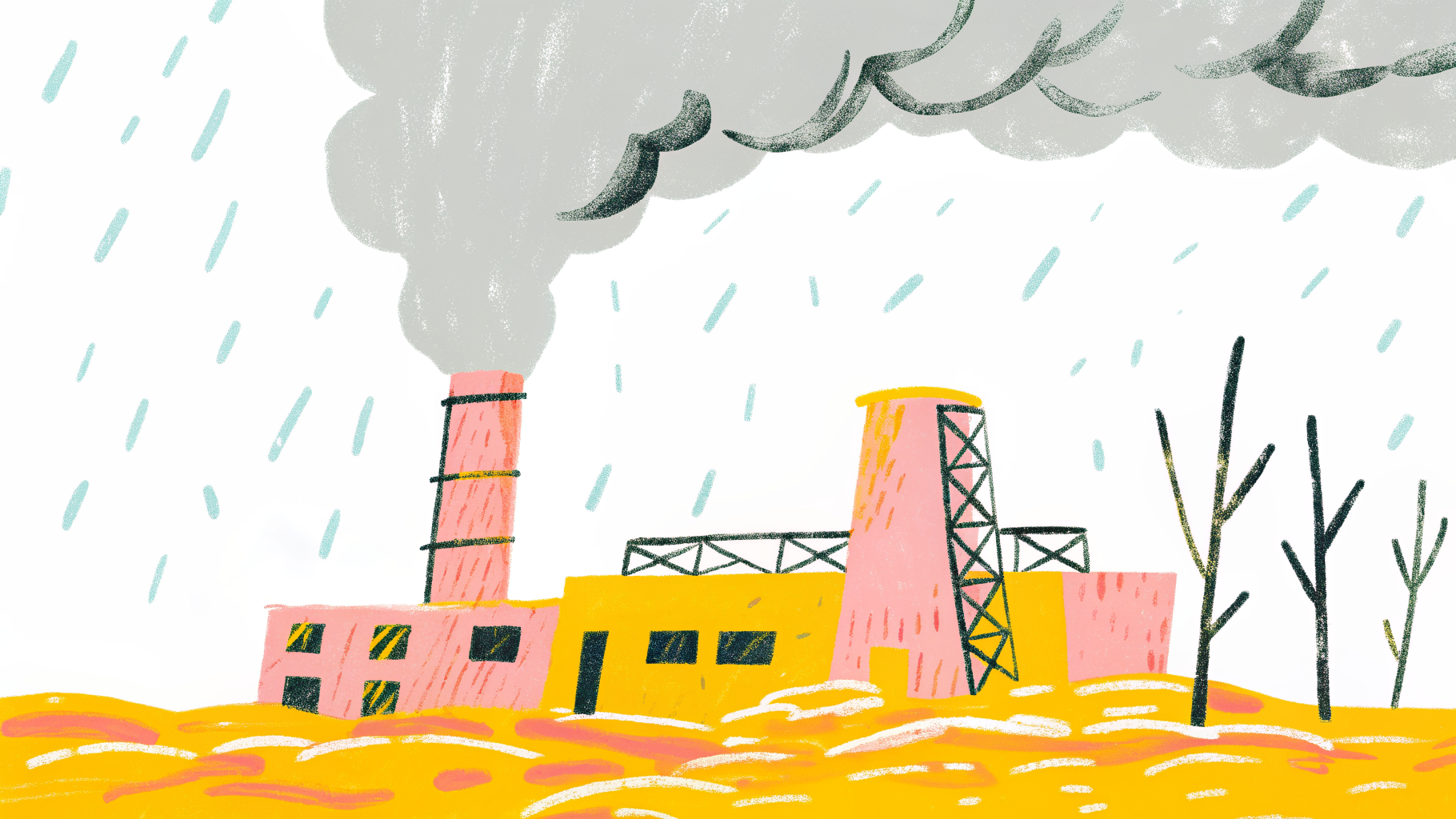
Power plants in Kyiv and Kharkiv were reportedly hit hours after Donald Trump announced an immediate between Russia and Ukraine. The strikes raised doubts about whether both sides had agreed to stop. Trump gave no details about the terms, length, covered sites, or plan to enforce it. Ukraine supported stopping attacks on energy sites, but only if Russia did the same. Kyiv was still seeking details, and Moscow had not publicly confirmed the arrangement.
Energy sites are targets because Russian strikes can cause blackouts and make it harder for civilians to cope. Ukrainian attacks on Russian refineries can cut fuel supplies and reduce money for the war. A previous US-backed understanding was followed by more attacks. Without monitoring or penalties, the proposed truce could protect homes and essential services, but unclear rules would let both sides deny violations and continue striking.
By the latest reporting, Washington had announced an immediate energy ceasefire, Kyiv had expressed while awaiting terms, and Moscow had not publicly confirmed it. Reports of strikes on power facilities followed within hours, but the parties had not publicly clarified which assets were covered, when the halt legally began, who would verify violations, or whether refinery attacks were included. The episode left the claimed ceasefire as an unverified political understanding rather than an enforceable halt in attacks.
Zelenskyy said Russian forces had launched more than 200 strikes during the week against Ukrainian . Ukrainian officials also described attacks affecting energy sites alongside . The figures showed the scale of the battlefield pressure behind the diplomatic proposal, as damage to power and heating systems threatens civilians, , and military logistics.
Ukrainian officials reported that Kharkiv's was hit after the announcement, with local authorities reporting at least two strikes and a fire. Zelenskyy said the attack targeted the city's and occurred after Trump's statement. The timing made the plant strike the clearest immediate challenge to the claimed ceasefire, although the available reporting did not independently establish responsibility.
Zelenskyy said a drone struck a in the Kyiv area after Trump's announcement, causing power outages in the capital. The report came from Ukrainian officials, and the available coverage did not establish an account of the strike's responsibility or whether it fell within any agreed category of . The incident immediately tested whether the announced halt existed on the ground.
Moscow did not immediately confirm that it had accepted the arrangement. The absence of a public Russian statement left unclear whether the Kremlin regarded Trump's post as an , a proposal, or merely a political announcement. That distinction mattered because the claimed halt was supposed to begin at once.
Zelenskyy said Ukraine supported an energy ceasefire, but stressed that Russia also needed to support it. He said Kyiv was seeking further details from the American side, and reporting described the announcement as unexpected in Kyiv. His response indicated that Ukraine did not yet have a fully specified to implement.
Trump wrote on Truth Social that Russia and Ukraine had agreed to an effective immediately, adding, “Both parties have agreed” and “Do not break it!” He did not publicly specify the duration, covered facilities, exceptions, , or penalties for violations. The post was a political announcement, not a published .
Volodymyr Zelenskyy said Ukraine was ready to stop attacking if Moscow halted strikes on Ukraine's energy system. He urged Donald Trump to press the Kremlin on the . The proposal linked protection of civilian energy supplies to a corresponding limit on Russia's oil-related infrastructure.
A US-brokered March 2025 pause on strikes against energy infrastructure was announced for 30 days, but the arrangement quickly unraveled as Russia and Ukraine accused each other of violations. Publicly available accounts did not establish a detailed monitoring or enforcement system.