
Trump and Qatar emir push talks as renewed Iran strikes loom
Diplomacy now competes directly with preparations for wider regional fighting.
Overview
Qatar is trying to stop an eight-month US-Iran war from spreading, while Washington keeps open the option of more attacks. The war began with US and Israeli strikes in late February and now threatens the , a key energy route. Qatar, working with Pakistan, has carried proposals between Washington and Tehran through visits to Tehran and talks in Doha. A draft two-day plan would ease the and unlock in return for inspections by the and the reopening of Hormuz. The countries still disagree over , limits on Iran’s nuclear program, the order of steps and guarantees against new attacks. Trump’s November 6 call with Emir Sheikh Tamim supported talks but produced no agreement. More fighting could disrupt shipping and raise energy prices worldwide. Talks also face pressure from threats of military action and the November 3 US elections.
Timeline
The proposed settlement still left Hormuz, sanctions and nuclear issues unresolved
No breakthrough resolved key issues including reopening the Strait of Hormuz, stabilizing energy shipments, sanctions or blockade relief, and . and guarantees against renewed attacks were not clearly established as formal proposal terms.
Trump and Emir Sheikh Tamim called for dialogue and regional de-escalation
Trump spoke by phone with Qatar’s Emir Sheikh Tamim about Doha’s mediation and efforts to reach a comprehensive agreement. Sheikh Tamim emphasized continued dialogue, diplomatic solutions, and the , but the call produced no announced deal.
Trump maintained military pressure while Qatar pursued a diplomatic off-ramp
The United States continued warning that against Iran remained possible as diplomacy proceeded. Those threats increased pressure for a rapid arrangement while narrowing the space for negotiations.
Iran and the United States remained far apart after altered proposals
Qatari mediators returned from Tehran while Washington and Tehran continued reviewing revised proposals. Iranian officials said the sides were still far from a deal, with disputes involving sanctions, the naval blockade, , and the conditions for .
The US midterm elections became a potential deadline for renewed escalation
Reports indicated that the conflict could flare again after the November 3 US midterm elections if diplomacy failed, increasing pressure to narrow differences beforehand. The election was not clearly established as a formal mediator-set deadline.
Iran and Qatar discussed a two-day framework linking blockade relief, nuclear inspections and Hormuz reopening
The reported draft framework proposed US relief from the and the release of some . In return, Iran could permit access to damaged nuclear facilities and reopen the Strait of Hormuz within two days, but the plan remained a proposal rather than an agreement.
Qatari mediators traveled to Tehran and opened intensive indirect talks
Qatari officials visited Tehran as negotiators exchanged and revised proposals intended to end the war. The mediation then moved into talks in Doha in late October and early November, with the Strait of Hormuz and US concessions among the main issues.
Qatar and Pakistan expanded mediation between Washington and Tehran
Qatar worked to carry proposals between the United States and Iran while coordinating with Pakistan. Doha’s role became important because the two governments were negotiating indirectly and remained divided over the terms of any settlement.
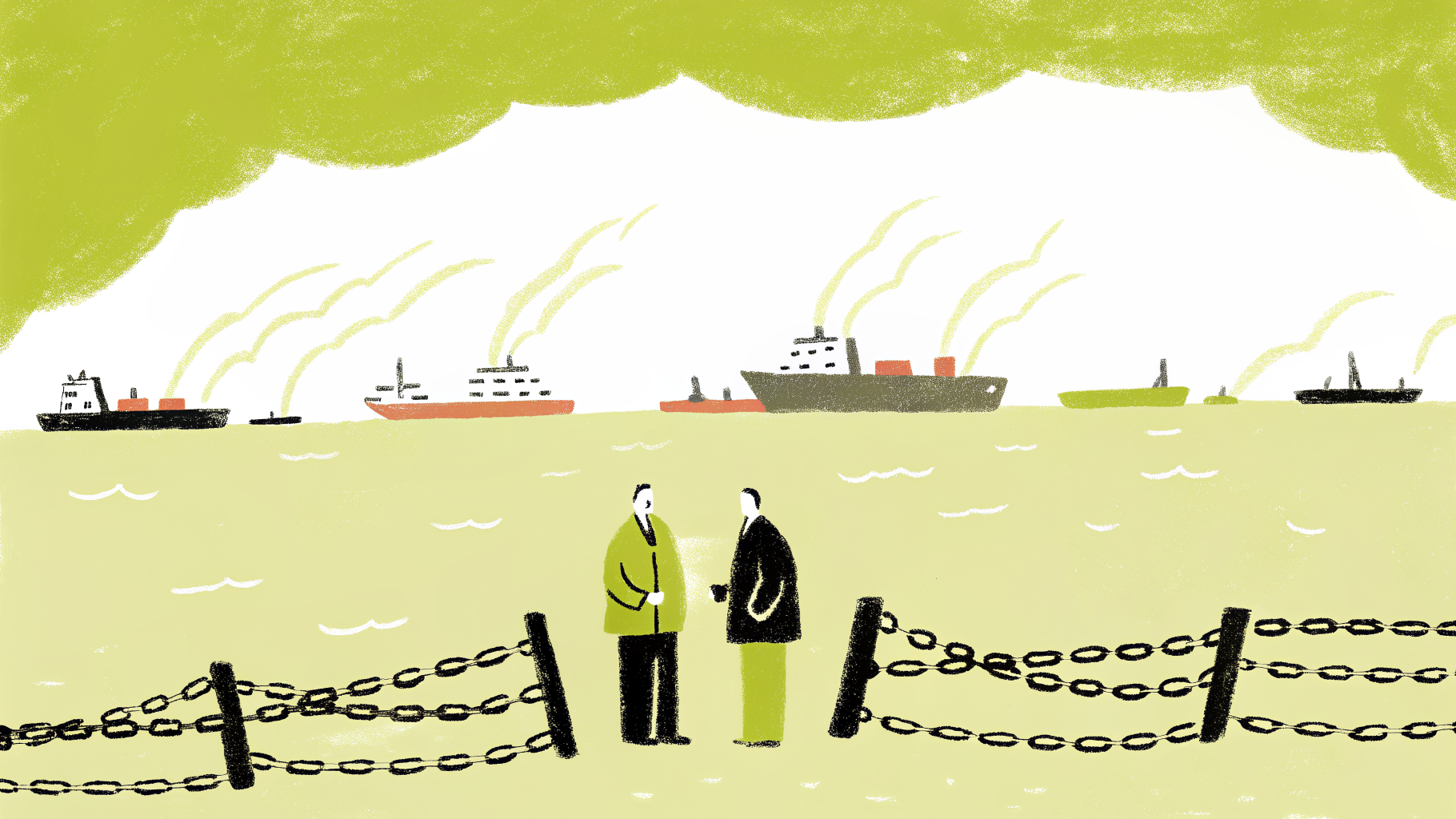
The war put Strait of Hormuz shipping and global energy supplies at risk
The conflict increased threats to maritime traffic and Gulf security around the , a major energy route. and stable energy supplies became central conditions in efforts to prevent further escalation.
The United States and Israel launched attacks on Iran, triggering open conflict
US and Israeli attacks on February 28, followed by Iranian retaliation, turned the confrontation with Iran into an open conflict. The duration and continuity of the subsequent fighting are not established.