
Business & Economy
Tesla and SpaceX unveil $16.8 billion Texas chip factory
Musk’s companies seek more control over their critical chip supplies.
Musk’s companies seek more control over their critical chip supplies.
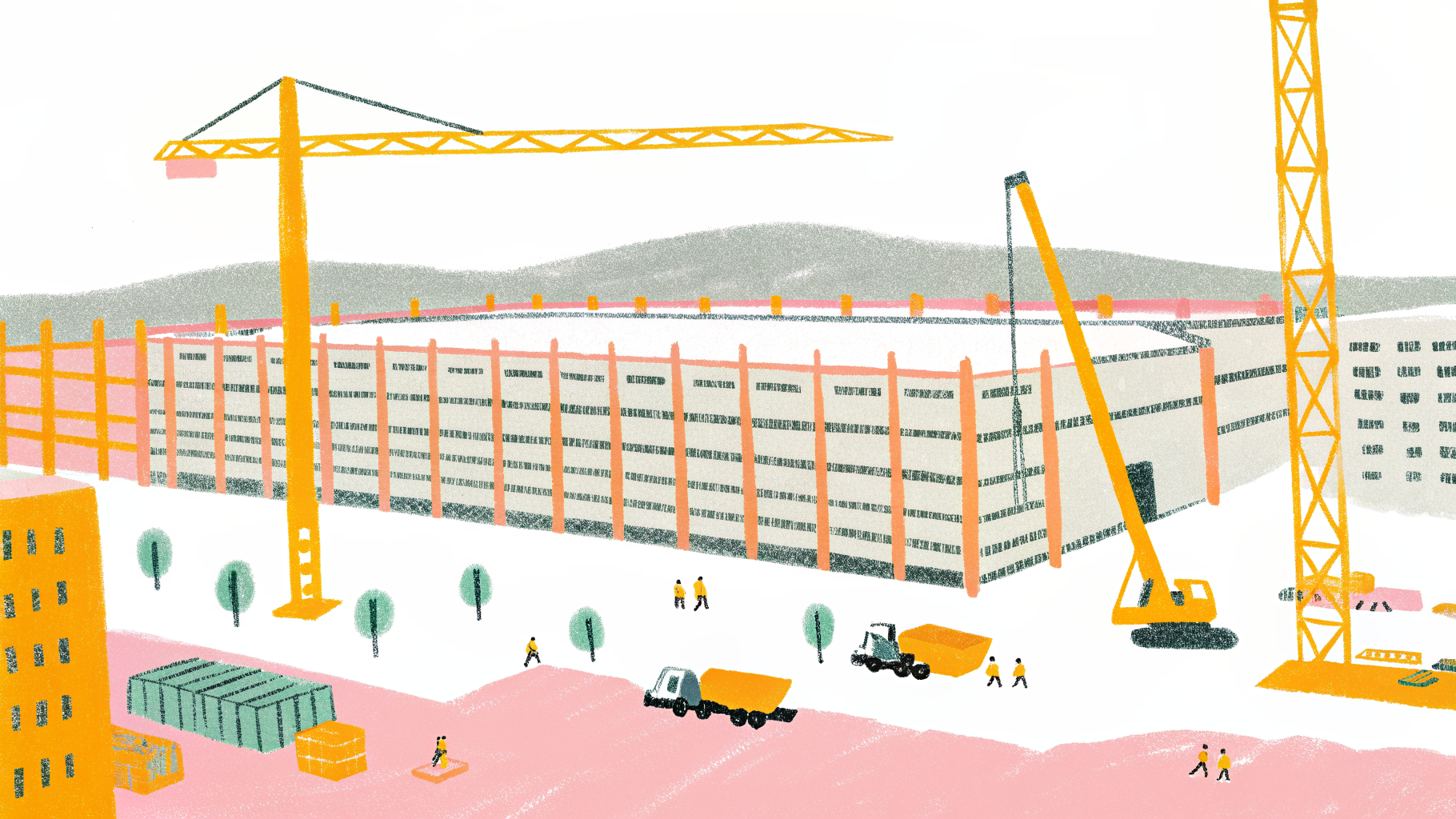
Tesla and SpaceX plan a large in Grimes County, Texas, with Intel as a possible manufacturing partner. They announced more than $16.8 billion for the first phase and at least 3,000 jobs. Earlier filings described possible growth to $55 billion or even $119 billion, but those figures are limits, not promised spending.
The project would put chip design, production, packaging and testing closer to Tesla and SpaceX, reducing reliance on outside suppliers. Texas and the county are offering major tax breaks, but reported legal commitments are smaller than the headline plans. The project still needs permits, funding, electricity, water, equipment and skilled workers. is difficult. If it succeeds, it could expand US chip production and strengthen Musk’s . Delays or poor output would leave taxpayers and investors facing the risk.
Reported Texas and county arrangements included a minimum of $5 billion in capital investment and 1,800 for one . Those minimums are materially smaller than the $16.8 billion first-phase announcement and the potential $119 billion .
Public records described eight applications under Texas’s , divided across . The phased structure allows the companies to expand from an initial toward the much larger campus, but it also means later construction depends on future approvals, financing and execution.
Grimes County approved a proposed 100% tied to the SpaceX project. The reported arrangement included a $10 million payment followed by annual $20 million payments for 35 years, subject to the project’s agreements and obligations.
Project materials said at least 3,000 jobs would be created, with roughly 60% to 80% expected to come from Grimes and nearby Brazos counties. The employment figure applies to the announced project plan, while s may differ under separate incentive agreements.
Governor Greg Abbott announced SpaceX’s planned in Grimes County. The state repeated the first-phase figures of more than $16.8 billion in investment and 3,000 new jobs.
The announced first-phase investment is more than $16.8 billion, while earlier county records described about $55 billion for initial phases and as much as $119 billion for the . These figures describe different stages and should not be treated as one binding commitment.
Texas said it had extended a $30 million grant to SpaceX. The state also classified Terrafab as a qualified project under the Texas Jobs, Energy, Technology, and Innovation program, linking public support to project requirements.
Intel was reported as participating in the effort, with a role connected to chip design, manufacturing and packaging. Public reporting did not disclose the full ownership structure, capital contribution, management responsibilities or scope of Intel’s binding commitments.
The companies presented Terrafab as a way to supply computing hardware for Tesla vehicles, robots and autonomous systems, as well as SpaceX spacecraft and other computing applications. These are intended internal requirements, not disclosed .
The proposed campus is intended to bring chip design, , memory, and testing into one . That model would reduce reliance on separate outside manufacturers and packaging providers if the facilities reach production.
SpaceX and Tesla described a campus that could exceed 100 million square feet of manufacturing space. Public records indicate four extending toward 2036, so the full footprint represents a multistage plan rather than the size of the initial build.
The planned Terafab facility is expected to be built in Grimes County, about 70 miles northwest of Houston, on a site identified in reporting as belonging to SpaceX. Public descriptions also outline substantial power, water and construction needs, but the broader campus and infrastructure details remain subject to development.
Tesla and SpaceX publicly announced Terrafab as a jointly developed in Grimes County, Texas. The companies described an initial investment of more than $16.8 billion and a first-phase workforce of at least 3,000 people.
The next verifiable milestones are final permits, financing, site preparation, construction starts, equipment orders, hiring, and first commercial production. Until those steps occur, the $16.8 billion first phase and the possible $119 billion buildout remain announced plans with different levels of legal commitment.
If completed, the campus could reduce Tesla’s and SpaceX’s dependence on external chip suppliers by combining design, fabrication, packaging and testing near their Texas operations. The project also reflects the broader US effort to expand and compete for strategic manufacturing capability.
Turning the proposal into production would require clean-room construction, semiconductor equipment installation, process qualification, , , and a trained workforce. The announcement establishes an industrial plan, not proof that high-volume advanced chips can be produced successfully.
The proposed campus would require a very large footprint, dependable , substantial water supplies and new . Public descriptions have linked the site to the rather than relying solely on local groundwater, but the final infrastructure arrangements remain subject to verification.
Tesla plans to use Intel’s for chips produced at the Terafab project, according to reporting that cited Elon Musk’s comments. This does not establish equipment orders, production readiness, , or commercial output.
SpaceX filed a Grimes County application describing a semiconductor manufacturing project with about $55 billion in planned . The filing also contemplated as much as $119 billion if were built, making the larger figure a potential ceiling rather than an immediately committed expenditure.
Intel’s reported role gives Terrafab access to a potential process-technology partner, but public reporting does not establish the company’s exact financial stake, , equipment commitments or customer obligations. Those details are important for assessing both Terrafab’s credibility and Intel’s foundry strategy.