
World
Swept away, buried Nepal flood survivors recall desperate escapes
How many more people remain trapped as the death toll and missing totals keep shifting?
How many more people remain trapped as the death toll and missing totals keep shifting?
s in the exposed how quickly can be cut off when mud, rock, and river surges hit at once. The disaster has left settlements buried or swept away, forced frantic rescue work by local and , and driven an uncertain count of the dead, missing, and evacuated, with still unaccounted for.
Rescue operations continued across Nepal and Tibet as authorities warned of new flooding risks from water pooling in . The latest updates still showed a fluid crisis, with more than 1,400 missing reported across the border area in some tallies and pressing on through inaccessible terrain.
Military helicopters moved some survivors to hospitals in Kathmandu and other as emergency teams continued extracting people from . Reports said hospitals were treating injured residents while authorities worked to provide shelter, food, and supplies to communities cut off by the floods.
By Thursday, Nepal and China were still revising the , with reports citing at least 359 deaths and nearly 1,000 , while other tallies later pushed the overall total much higher. Officials also said the included hundreds of , with several nationalities identified among the unaccounted for.
Accounts from survivors described rapidly rising water, collapsing structures, and family members running for their lives as the flood raced through the . These testimonies showed how little time residents had to react and how the flood turned ordinary buildings into emergency shelters and .
Rescuers freed 97-year-old Guna Maya Bohara from under rubble after a four-hour operation using a , one of the clearest survival stories from the disaster. Her rescue became a symbol of the frantic, improvised effort to reach people trapped when settlements collapsed under mud and floodwater.
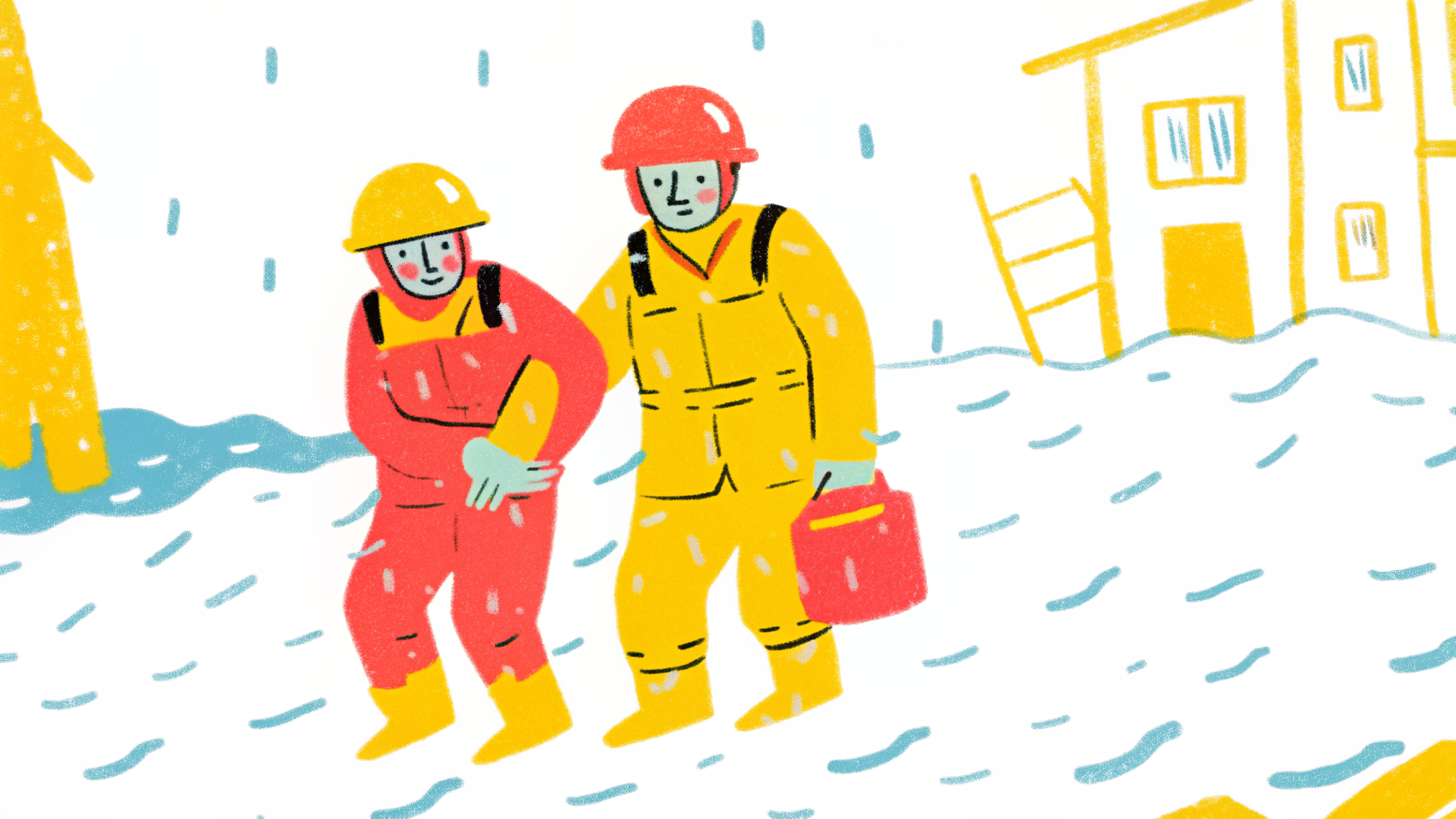
Nepalese police, army units, and local responders began searching and , while were used to evacuate survivors and deliver emergency supplies. Chinese teams also mounted searches in Gyirong, as officials warned that the death toll and missing-person figures were still being verified.
Survivors described water and debris arriving with little warning, turning homes and into collapse zones within minutes. One of the most striking examples was a care home where 97-year-old Guna Maya Bohara was buried in before rescuers could reach her.
As rescue crews struggled to reach cut-off areas, Nepal’s tourism and said hundreds of people were unaccounted for, including large numbers of foreign tourists and . Initial reports put the missing total at more than 400, then rapidly higher as agencies updated their tallies through the day.
Floodwaters hit border communities in Nepal and Tibet, washing away villages, damaging roads, bridges, and , and forcing residents to flee for higher ground. Early official counts already showed heavy losses, with Nepal police recovering more than 150 bodies and Chinese authorities reporting deaths in .
A wall of mud and rock collapsed into a river on the of Nepal and China’s Tibet region, setting off the that would devastate settlements downstream. Reports said the disaster unfolded suddenly in the Nepal-Tibet border zone, with officials later linking the surge to upstream Himalayan conditions and a possible .