
Politics
Supreme Court weighs face recognition at protests
Will the court set limits on facial recognition at peaceful protests?
Will the court set limits on facial recognition at peaceful protests?
scrutiny of protest policing has become a wider test of how far police can use and against peaceful demonstrators. The protest crackdown brought questions of excess force, , , and into one constitutional dispute, with the absence of a clear legal framework for live facial recognition now at the center of the case.
The Supreme Court agreed to hear Rahim’s petition and club it with the main NEET protest cases. The move brought the broader question of whether live facial recognition can be used at peaceful public gatherings directly into the existing protest-policing litigation.
Rajya Sabha MP A.A. Rahim filed a separate plea challenging Delhi Police’s alleged use of facial recognition and other biometric tools against peaceful demonstrators. His petition argued that the surveillance was carried out without a specific legal framework and violated privacy and .
The Supreme Court ordered that no be taken against the protesting students in the related , and later clarified that states could close or withdraw such cases except in .
On the next day of hearing, the Supreme Court directed that digital material tied to the protest be preserved, including , , and . The court also indicated that personal data should not be made public, signaling that surveillance practices themselves were now part of the legal dispute.
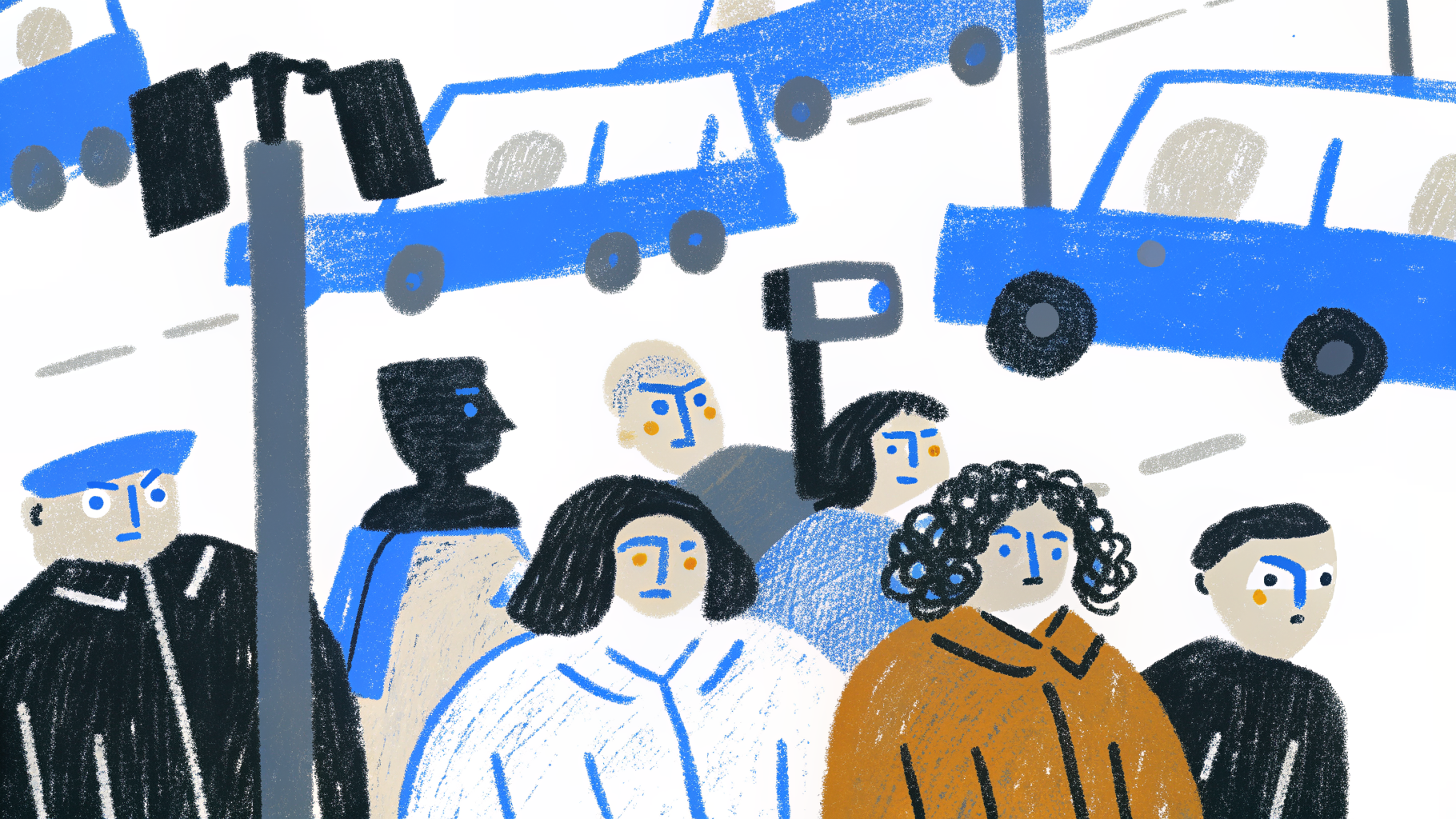
The Supreme Court began hearing a challenging Delhi Police’s alleged use of and other surveillance tools to monitor students and protesters linked to the NEET-related demonstrations.
Protests over the paper leak at escalated into a after the Delhi Police’s response drew allegations of excess force and surveillance. The crackdown became the trigger for later Supreme Court scrutiny of how protesters were handled and what evidence police collected during the demonstration.