
India
Supreme Court bars illegal detention of peaceful protesters
The dispute now tests police power against India’s protest rights.
The dispute now tests police power against India’s protest rights.
India’s voter-list dispute has moved from paperwork to the streets. The says its will remove dead or duplicate entries and help keep elections accurate. Opposition parties and civil society groups say strict document rules could wrongly exclude migrants, poor voters and others whose records do not match government databases. They want the process paused and checked by an independent body.
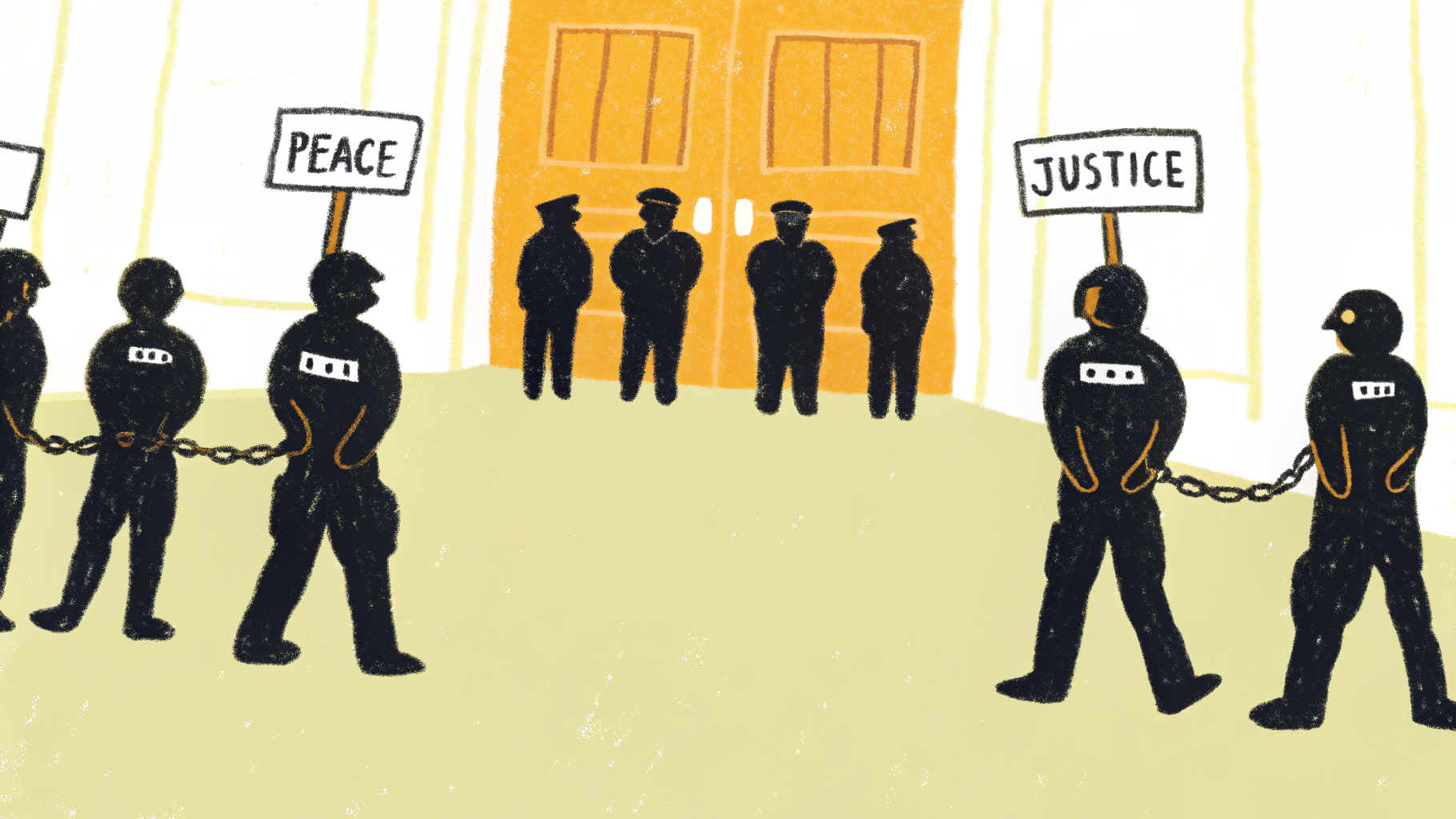
The dispute now tests voting rights and the right to protest. Police detained thousands during demonstrations in Delhi, citing security restrictions. This happened after the warned that peaceful protesters cannot be detained unlawfully. Authorities say the restrictions were lawful, while protesters allege a crackdown. Rahul Gandhi’s opposition alliance plans another march to the court. The courts have not yet settled whether the exclusions or detentions were lawful.
The opposition planned to assemble in central Delhi and march toward the Supreme Court to deliver its memorandum. The programme was presented as a continuation of the national campaign against SIR and alleged , rather than as a substitute for the pending legal proceedings. Its outcome, and any police restrictions or detentions, remained dependent on institutional decisions about security, and .
Rahul Gandhi announced a march to the Supreme Court for October 12 involving opposition parties, and citizens. Organisers said they would submit a to the Chief Justice demanding an end to alleged vote theft, a halt to SIR and the resignation of CEC Gyanesh Kumar. The planned march raised further questions about access to the court, security restrictions and political pressure on .
Reports said police detained demonstrators in Delhi even as the Supreme Court’s warning about peaceful protest and lawful procedure was being discussed. Authorities maintained that and security requirements justified restrictions, while protesters and opposition leaders described the action as a crackdown. The contrasting accounts sharpened the question of whether enforcement complied with the Court’s caution.
The Supreme Court warned that peaceful protesters could not be illegally detained and that any detention had to follow . The warning addressed protest policing rather than finally deciding the political allegations surrounding SIR. It nevertheless created a direct institutional test for police action during continuing demonstrations.
The Supreme Court directed authorities to lift under of the around the court complex. can restrict assemblies and movement when authorities identify an urgent risk to public order, but it does not automatically authorize detention of peaceful participants. The proceedings focused on access to public institutions and the difference between a and .
Thousands of protesters were reported detained during the Delhi demonstrations, including opposition leaders and civil society figures. The central dispute therefore expanded from whether SIR could lawfully alter voter rolls to whether police could detain people who were peacefully exercising their . The legality of each detention became distinct from the legality of restrictions imposed on an assembly.
Opposition leaders and activists attempting to reach a protest site in Delhi encountered barricades and police restrictions. Reports said demonstrators were detained at several locations as they sought to assemble near , with some accounts describing clashes and injuries. Authorities cited and movement, while protesters said the police response unlawfully prevented .
Opposition groups and held demonstrations beyond Delhi, including protests in Madhya Pradesh and Karnataka, against the and Chief Election Commissioner Gyanesh Kumar. The issue therefore developed into broader .
As opposition criticism continued, demands expanded beyond suspension or review of SIR to calls for the resignation or removal of CEC Gyanesh Kumar. Campaigners sought an independent inquiry into the roll revision and alleged . The constitutional framework gives the ECI responsibility for supervising elections, while the CEC exercises leadership within that institution, making the dispute a broader accountability conflict.
The dispute remained open over challenges to the , the treatment of excluded voters, and reported protest detentions. The Supreme Court had sought responses from the and government, while further hearings and electoral-roll decisions remained pending.
The Supreme Court upheld the validity of the Bihar SIR, holding that the exercise was within the ECI’s powers under Article 324 and Section 21(3) of the Representation of the People Act. The Court said the revision served the of and was to the aim of maintaining . The ruling did not end the political dispute over exclusions or the handling of protests.
Challenges to the SIR reached the , raising questions about the ECI’s , the documentation burden and the . Petitioners also questioned whether important decisions had been taken without the of the other Election Commissioners. The case placed the administration of electoral rolls directly before the country’s highest court.
Opposition parties and campaigners alleged that large numbers of names had been omitted or placed at risk during the Bihar revision. They demanded that the process be suspended, and subjected to greater , while also questioning the role of Gyanesh Kumar. The ECI rejected claims that the revision was designed to eligible voters and pointed to procedures for claims and objections.
The Election Commission said eligible people left out of the revised rolls could seek inclusion through claims, objections and . It presented these safeguards as a way to correct omissions while continuing the broader verification exercise. Opposition parties argued that corrective procedures did not resolve their concerns about the , documentation requirements or the independence of the process.
The SIR process required electors to submit verification materials and prompted concerns about documentation, migration and the treatment of voters whose names or records did not match official databases. Opposition parties and civil society groups warned that could be excluded if they could not produce the required documents. The ECI maintained that the exercise was intended to remove while protecting qualified voters.
The Election Commission announced a of Bihar’s , describing it as an exercise to improve the integrity, accuracy and credibility of voter lists before elections. The revision differed from routine updates because electors were required to establish eligibility through a more extensive verification process. The ECI relied on of the Constitution and of the Representation of the People Act, 1950.