
World
Supreme Court Refuses To Stop CJP March
Will the court also clear the protest FIRs before the September 5 march?
Will the court also clear the protest FIRs before the September 5 march?
The protest case has grown from a student outrage over an alleged paper leak into a larger test of how police, state governments and the handle . With authorities now seeking to drop or the s and the court weighing its extraordinary powers under , the dispute turns on how far protest-related cases should be pursued and what that means for rights, accountability and .
The planned September 5 CJP march now sits at the center of the unresolved fallout from the protest crackdown. The key question is whether the FIRs will be fully quashed, partly withdrawn, or left alive for some protesters after the Centre’s .
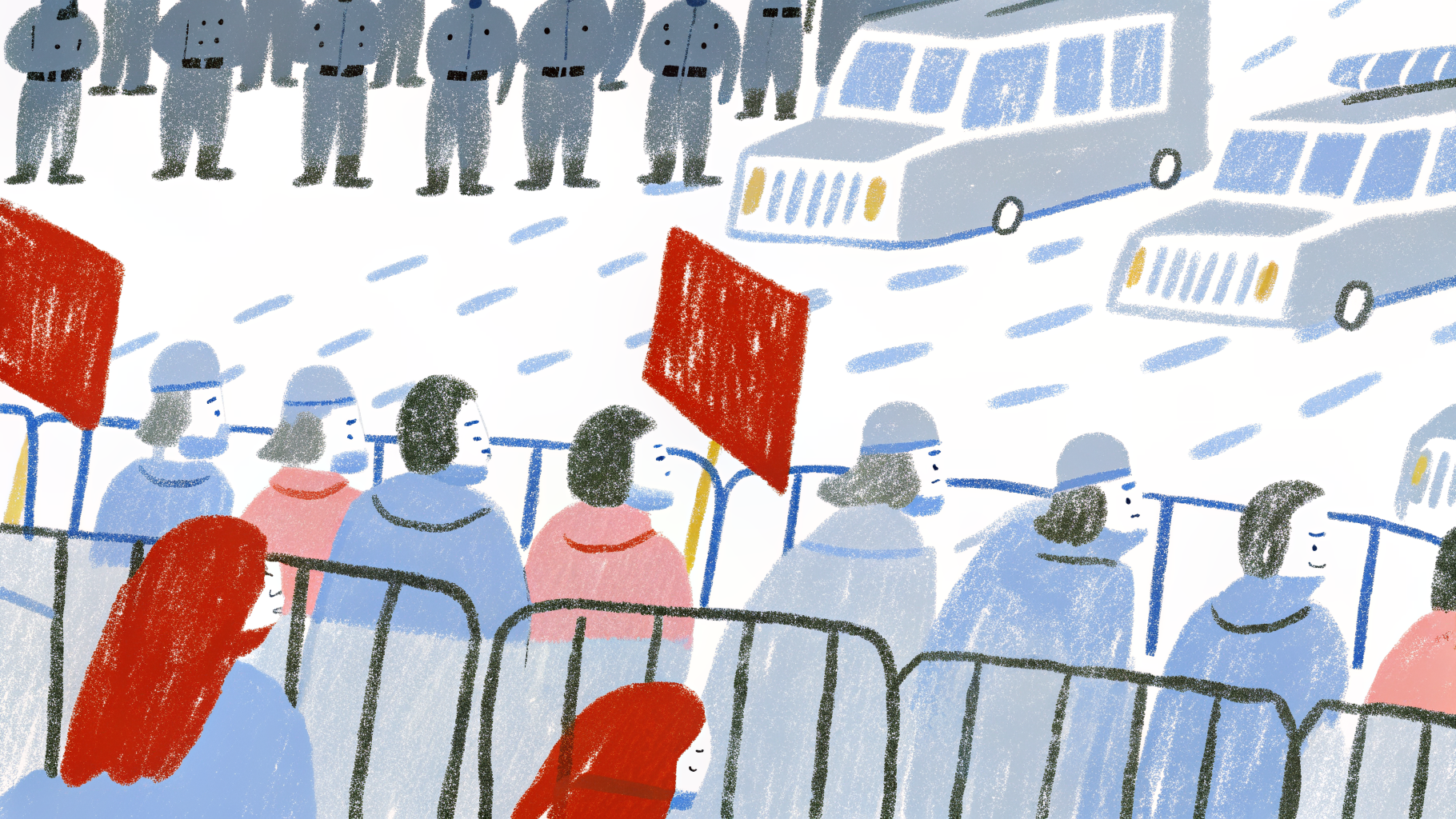
Ahead of the , the Supreme Court refused to halt the planned in Delhi. The said public order enforcement rests with law enforcement agencies, leaving the protest itself alive even as the FIR dispute moved toward possible settlement.
The Centre and Delhi police told the Supreme Court they no longer wished to pursue the and asked the court to use to them. That made the legal issue explicit, whether the court can use its extraordinary powers to wipe out FIRs tied to protest activity.
The clarification opened the door for governments to withdraw cases against most who were not accused of serious crimes. Delhi and other states were told they could act within the law, turning the legal fight toward possible mass withdrawals rather than continued prosecution.
The Supreme Court clarified that its phrase “criminal antecedents” referred only to grave and . It also said Delhi and other states were free to close or withdraw FIRs against the remaining protesters in accordance with law.
The told police to withdraw criminal cases linked to the NEET protest movement and to stop pursuing legal action against participants. The move showed a state-level shift toward de-escalation after the Supreme Court’s July 28 intervention.
During the same hearing, the flagged allegations of and said it could look at a high-powered, independent probe. That signaled the court was examining not just the protests, but also how the authorities responded to them.
The ordered the immediate release of minors detained over the protests and said police should not take against without . It also allowed investigations in the FIRs to continue while indicating it could consider a fair and independent inquiry into alleged police excesses.
After the march, police cases were filed against participants on allegations tied to , , and disorder during the protest. The criminal cases shifted the episode from a student agitation into a wider police, constitutional, and rights controversy.
Student-led protesters linked to the paper leak issue tried to march from toward on July 20. Police stopped the crowd, and the confrontation led to detentions and multiple that later became the core of the legal dispute.