
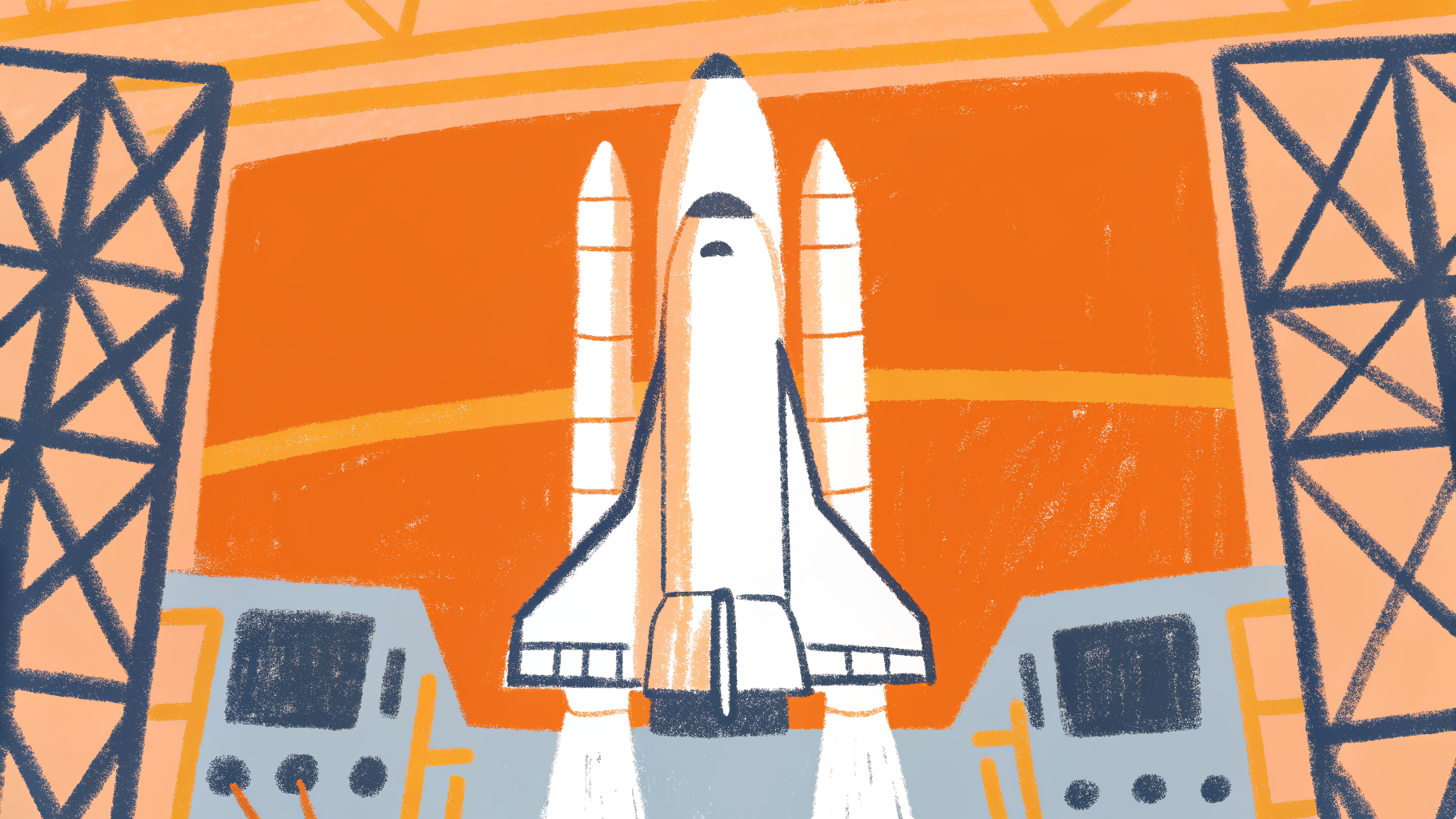
SpaceX catches Starship but loses booster in Flight 15
The spacecraft recovery works, but booster failures still block the reliable two-stage reuse needed for lunar and Mars missions.
Overview
SpaceX completed half of ’s recovery plan. After about a day in orbit, the spacecraft returned and caught it upright in Texas. It was the vehicle’s first successful tower catch. The booster was meant to be caught minutes after launch. Its automated system detected a guidance or positioning problem, canceled the attempt, and sent the booster offshore. It later exploded over the Gulf of Mexico. SpaceX cited slightly weak engines and low fuel as possible causes, but the investigation continues. Tower catches could replace landing legs, runways, or powered landings, helping SpaceX inspect, refuel, and relaunch faster. Flight 15 showed that spacecraft recovery alone is not enough. Guidance, engines, fuel, and exact positioning must all work together before and can depend on routine recovery of both vehicles.
Timeline
The incomplete double catch left Starship’s lunar and Mars ambitions dependent on further recovery tests
SpaceX still needs to demonstrate repeatable two-stage recovery before the can support routine operations at the scale envisioned for Starship. That reliability matters for and for future Mars missions, which depend on high launch cadence, large propellant deliveries, and extensive vehicle reuse. Flight 15 advanced the design, but it did not yet establish operational readiness.
SpaceX validated spacecraft tower capture but left full two-stage reuse unproven
Flight 15 showed that a returning Starship can align with and be held by the launch tower, but the booster was lost before its planned catch. The split result supports the promise of faster reuse, while showing that guidance, , engine performance, and precise vehicle positioning must all work together. Routine rapid reuse still requires reliable recovery of both stages.
SpaceX aborted the Flight 15 booster catch after low-fuel and guidance alerts
During Starship Flight 15, SpaceX said the booster ended its early after a , then its guidance system detected that it was out of position and automatically aborted the tower catch. Elon Musk later attributed the low fuel to slight engine underperformance, but the root cause remained under investigation.
SpaceX returned the Flight 15 spacecraft from orbit and caught it with the Texas tower
After roughly a day in orbit, the Starship spacecraft came back to the launch site and was captured upright by the tower’s mechanical arms. It became the first returning to complete the tower-catch maneuver. Unlike a runway landing or a , the method uses the launch structure to seize the vehicle directly for potential rapid reuse.
SpaceX launched Flight 15, then aborted the booster catch and diverted the booster offshore
The booster separated after launch but later detected a issue during its return. Its automated system canceled the tower-catch attempt and redirected the vehicle toward the Gulf of Mexico as a contingency. The booster then triggered its and exploded over the Gulf before completing a controlled recovery.
SpaceX planned Flight 15 to recover both Starship stages at the Texas tower
SpaceX designed Flight 15 as its first attempt to catch both the Super Heavy booster and the Starship spacecraft. The booster was supposed to return minutes after liftoff, while the spacecraft would complete an orbital flight before returning to the same tower. The plan tested the full in one mission.
SpaceX caught a returning Super Heavy booster with the Texas launch tower
During Starship’s fifth flight test, SpaceX used the to catch the returning instead of landing it on a runway or using landing legs. The maneuver demonstrated the central hardware needed for recovering both stages at the launch site. Tower capture could reduce refurbishment, landing-site needs, and turnaround time if it becomes reliable.