
Peña resigns after lawmakers unanimously impeach him over Ueno collapse
Frozen deposits expose weak safeguards for public and household money.
Overview
Nearly 3 million Paraguayans lost access to their savings after regulators seized . They said its financial strength had fallen below half the . About 2.6 million were affected, including . Officials plan to and sell the rest. They have not said when people will be repaid. Bank leaders were detained, prosecutors began investigations, and the central bank chief resigned. Protests over frozen money, including clashes with riot police, created a political crisis. President Santiago Peña then resigned after allegations of conflicts of interest, weak oversight, misuse of public funds and cover-ups. The voted 78-0 to him, but the must decide the case. must also accept his resignation before can take over. The outcome could affect trust in banks, the currency, regulators and criminal accountability.
Timeline
Paraguayan prosecutors opened investigations into the Ueno Bank crisis
Prosecutors opened three investigations involving Peña, other officials, and Ueno executives, examining , the handling of the bank’s failure, and . Customers remained unable to access accounts while officials planned transfers and .
Congress began impeachment proceedings as Peña resigned
After Peña announced his resignation, Paraguay’s lower house voted to impeach him and sent the charges to the . Congress was expected to consider accepting the resignation, which would clear the way for to succeed him.
Paraguay’s Chamber of Deputies voted 78-0 to impeach Peña and sent the case to the Senate
Minutes after Peña announced his resignation, the lower chamber voted unanimously to approve impeachment. The vote did not itself constitute a final conviction or removal, because the must conduct the and decide whether the is met. Lawmakers continued debating whether accepting the resignation would end the process.
Santiago Peña resigned as president, citing stability, social peace, and democratic institutions
Peña announced his resignation while the was debating . He said the decision was necessary to protect the country’s stability, , and democratic institutions. Congress still had to decide whether to accept the resignation and whether the process would continue.
Thirty-five lawmakers filed impeachment charges against Peña and Alliana
Thirty-five lawmakers submitted against President Santiago Peña and Vice President Pedro Alliana over alleged , oversight failures, and the handling of linked to Ueno. Congress later advanced the case against Peña while shelving the motion against Alliana.
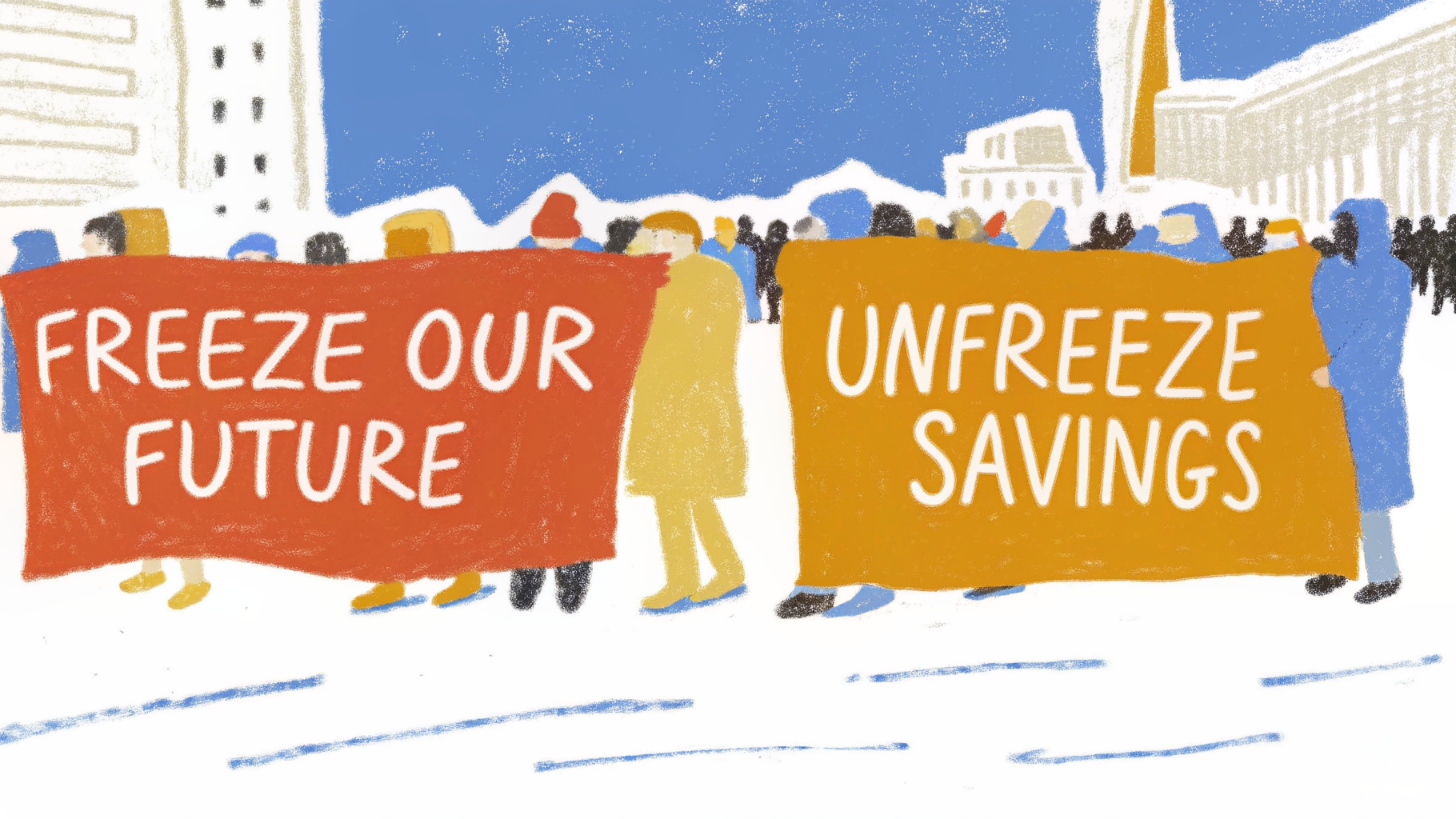
Protesters clashed with riot police as frozen savings turned the bank failure into a political crisis
Retirees, depositors, students, and workers demonstrated in Asunción while demanding access to their money and calling for President Santiago Peña’s . Some protests involved clashes with riot police. Peña also lost support from factions of the governing after former President withdrew his backing.
Ueno executives faced detention and investigation as Paraguay’s central bank chief resigned
Ueno executives were detained as prosecutors examined possible connected to the collapse. The central bank’s leadership also suffered a major loss of confidence when its chief resigned amid criticism of financial oversight. The banking emergency therefore expanded into both a regulatory and .
Paraguay began resolution proceedings to protect Ueno depositors and assess asset transfers
After regulators placed Ueno Bank into , officials froze its operations and began assessing measures to protect depositors, including possible transfers of deposits to other institutions. The timing and scope of any asset or depositor recovery remained unsettled.
Ueno’s intervention temporarily blocked account access for roughly 3 million customers
Paraguay’s central bank intervened in Ueno after finding that it had breached , temporarily preventing roughly 3 million customers from accessing their accounts.
Paraguay’s central bank placed Ueno Bank into resolution after its solvency ratio fell below the legal minimum
The Central Bank of Paraguay said Ueno’s had fallen below half the regulatory minimum after financial adjustments. Its board unanimously approved to protect depositors and preserve financial stability. The regulator said the failure did not represent a .