
Paraguay removes Peña after Ueno Bank collapse
A bank failure exposes how political ties can weaken financial oversight.
Overview
Ueno Bank grew from a little-known lender into a digital bank serving about 2.9 million Paraguayans, nearly half the country. Regulators questioned large, poorly documented loans to companies linked to , and later found that expenses had been recorded as assets. After those corrections cut Ueno’s to less than half the legal minimum, the central bank placed it into , freezing many customers’ accounts and savings while officials assessed what could be transferred or recovered.
The bank’s collapse became a political crisis because President Santiago Peña had previously owned a stake or held business ties connected to the group. His pressure on central bank officials and proposed fueled allegations of conflicts of interest, pension-fund dealings, regulatory interference and a cover-up. Protests and defections cleared the way for impeachment. Peña resigned, lawmakers removed him, and Vice President Pedro Alliana succeeded him. Criminal and regulatory investigations continue, while customers, taxpayers and the wider financial system face uncertainty over losses and accountability.
Timeline
The Senate removes Peña, Pedro Alliana becomes president, and investigations continue
The voted 44-0 among members present to remove Peña from office, and Vice President Pedro Alliana was sworn in to complete the presidential term. Prosecutors opened criminal investigations involving Peña, Alliana, central bank officials, and pension-fund officials, while Peña was placed under on allegations including breach of trust and . Ueno’s depositor recovery, , regulatory accountability, and the broader legal case remained unresolved.
Paraguay’s lower house votes unanimously to impeach Peña over the Ueno collapse
The voted 78-0 to Peña and sent the case to the Senate shortly after he announced his resignation. The charges centered on alleged conflicts involving Ueno, interference with financial oversight, pension-fund dealings, and an alleged cover-up, all of which remained allegations rather than final judicial findings.
Protests and Colorado Party defections turn the bank failure into a political crisis
Public protests erupted after customers lost access to their savings, while opposition lawmakers accused Peña’s government of conflicts of interest, regulatory interference, , and an institutional cover-up. Peña then lost support inside the governing Colorado Party, removing the political protection that had shielded him from immediate impeachment.
Peña seeks central bank chief’s resignation and expedited Ueno depositor payments
During the , Peña requested the ’s resignation and approved measures to expedite payments to affected depositors. Peña denied wrongdoing and defended his handling of the crisis.
Ueno’s intervention freezes millions of customers’ accounts and savings
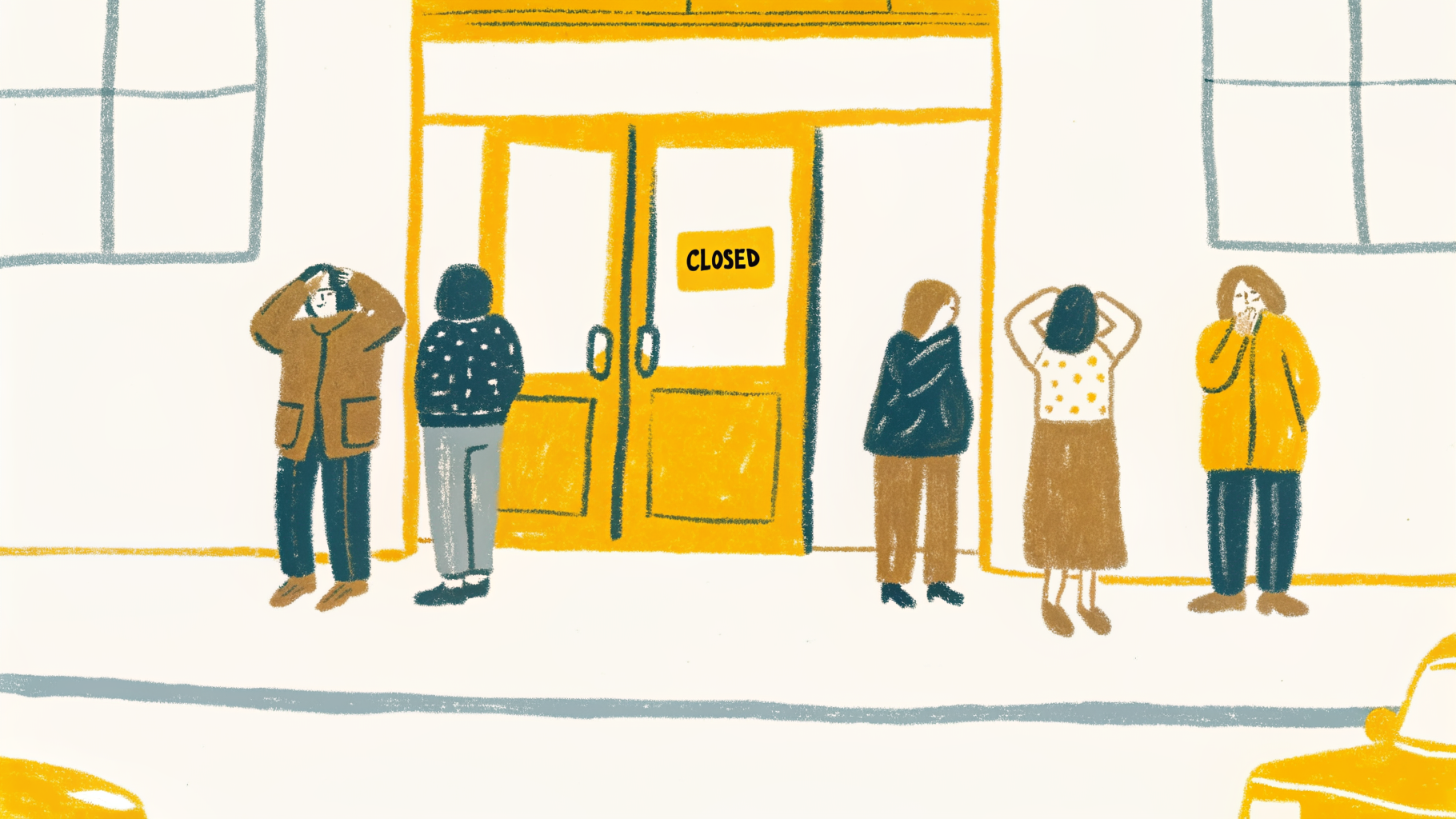
The intervention left nearly half of Paraguay’s population temporarily unable to access bank accounts or savings held at Ueno. Authorities said viable customer accounts and valuable assets would be moved to other banks, but the immediate freeze caused widespread uncertainty and shook confidence in the financial system.
Paraguay’s central bank places Ueno into resolution after its capital ratio falls below the legal minimum
The central bank seized or placed Ueno into a after the required accounting adjustments pushed its solvency ratio below the legal threshold. The process removed effective control from the bank’s previous operators while regulators assessed transferable accounts and recoverable assets before liquidation.
Auditors find Ueno improperly recorded expenses as assets and reduce its capital
The Central Bank of Paraguay found that Ueno’s financial statements required adjustments, including expenses that had been improperly counted as assets. After the corrections, the bank’s fell to less than half the legally required minimum, exposing a deeper balance-sheet problem than earlier warnings had indicated.
Santiago Peña divests his Ueno-linked stake after scrutiny over business ties
Peña had held a stake in Ueno’s holding company or an associated business before leaving the investment under pressure in 2025. Opponents later argued that his former ownership and business relationship created a while his government oversaw the bank and appointed financial regulators.
Regulators raise concerns about Ueno’s lending to companies linked to Grupo Vázquez
Regulatory findings questioned whether Ueno had made excessive or poorly documented loans to companies connected to its controlling shareholder, Grupo Vázquez. The alleged became a central supervisory concern because it could concentrate risk and obscure the bank’s true financial condition.
Ueno Bank grows into a major lender serving nearly half of Paraguay
Ueno grew from a niche into a major digital bank with about 3 million customers in a country of roughly 6.5 million people. The bank also administered hundreds of millions of dollars in , including money from state institutions and pension-related bodies.