
Delhi rally turns voter-roll dispute into challenge to election watchdog
Opposition parties are coordinating against an institution overseeing India’s elections.
Overview
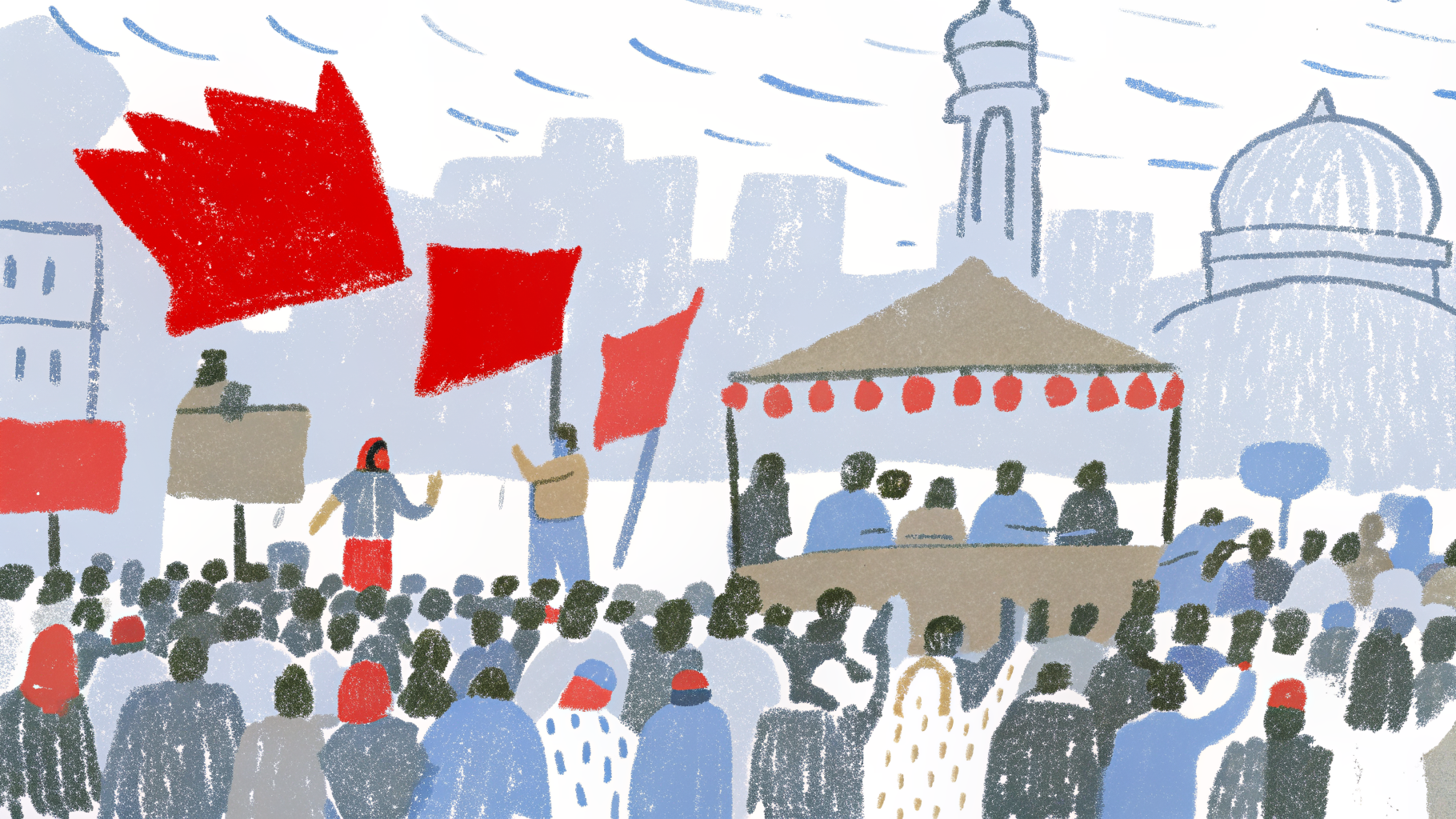
India’s opposition parties turned a dispute over voter lists into a direct challenge to the at a November 1 rally in Delhi’s Ramlila Maidan. Congress, Trinamool Congress, Samajwadi Party, National Conference and other parties demanded Gyanesh Kumar’s removal and opposed the of electoral rolls. They say the exercise could wrongly delete legitimate voters, burden people with documents and alter representation. Rahul Gandhi called this “vote theft” and warned that Kumar, Prime Minister Narendra Modi and Home Minister Amit Shah could face legal action.
The says the revision is a lawful, unanimous effort to verify rolls, not election manipulation. The BJP has defended it through counter-marches, accusing the opposition of weakening a constitutional institution. A and symbolic impeachment preceded the rally, but public protests cannot remove the CEC. That requires a demanding parliamentary process, while court proceedings continue and no completed removal motion has been documented. The dispute could affect voter access, trust in elections and the opposition’s ability to coordinate.
Timeline
The public confrontation continued without a documented completed removal motion against Gyanesh Kumar
By the rally date, the dispute had moved from objections to SIR into a direct institutional confrontation involving protests, court arguments and competing national campaigns. Public demands for resignation and warnings of legal action had not yet become a completed parliamentary removal proceeding. The next formal developments would depend on court directions, official roll decisions or the filing and admission of a .
The constitutional route for removing the CEC remained a parliamentary motion, not a public protest
A formal removal motion must allege and obtain the required signatures, at least 100 Lok Sabha members or 50 Rajya Sabha members, before admission. Removal requires a and a two-thirds majority of members present and voting in both Houses. The mock impeachment and rally had not replaced these constitutional requirements.
The Election Commission told the Supreme Court that the CEC could be removed only through the constitutional process
In Supreme Court proceedings concerning SIR, the Commission invoked , which requires the Chief Election Commissioner to be removed in the same manner and on the same grounds as a Supreme Court judge. It also said its SIR orders had been unanimous and lawful.
The BJP launched counter-mobilisation to defend SIR and the Election Commission
The BJP organised marches and defended as a lawful exercise to clean and verify electoral rolls. BJP leaders accused the opposition of undermining a constitutional institution, destabilising the electoral process and rejecting democratic safeguards. The counter-campaign framed the dispute as an attack on the Election Commission rather than proof of voter theft.
Rahul Gandhi warned that the CEC, Narendra Modi and Amit Shah could face legal consequences
At the rally, Rahul Gandhi repeated allegations that votes had been stolen through irregularities in electoral rolls and demanded the removal of Gyanesh Kumar. He warned that the CEC, Prime Minister Narendra Modi and Home Minister Amit Shah could face legal action. The statements were political allegations and did not themselves constitute a filed criminal case or formal removal motion.
The INDIA bloc brought opposition parties together at a Ramlila Maidan rally against the Election Commission
Congress, Trinamool Congress, Samajwadi Party, National Conference and other INDIA bloc parties joined the Delhi mobilisation against Gyanesh Kumar and the SIR exercise. Organisers described it as a major rally, while the BJP disputed claims of a ten-lakh turnout and said much of the ground was vacant. Participants demanded the CEC’s resignation, action over alleged vote theft and changes including a return to .
Opposition parties turned voter-roll concerns into a wider vote-theft campaign
leaders accused the Election Commission of enabling voter deletions and questioned its handling of electoral-roll data. Rahul Gandhi linked the allegations to what he called vote theft, while the Commission defended the revision process. The allegations remained disputed and were not established findings.
The INDIA bloc held a mock Parliament and passed a symbolic impeachment resolution against Gyanesh Kumar
Twenty-one opposition parties staged a of Chief Election Commissioner Gyanesh Kumar at an event linked to Mallikarjun Kharge. Their six-point resolution accused him of electoral manipulation, mass voter deletions and weakening the Election Commission’s independence. The action demanded his immediate removal, but it was political symbolism rather than a .
The Election Commission issued another unanimous order connected to the SIR process
The Commission said its SIR-related orders, including the order dated May 14, 2026, were issued unanimously and complied with and applicable election law. This procedural explanation became central to the Commission’s defence against allegations that the Chief Election Commissioner acted unilaterally or outside the law.
The Election Commission ordered a Special Intensive Revision of electoral rolls
The Election Commission initiated the SIR exercise, saying it was intended to verify and update . Opposition parties later objected that the process could delete legitimate voters, impose difficult documentation requirements and affect representation. The Commission has maintained that the exercise follows constitutional and statutory procedures.