
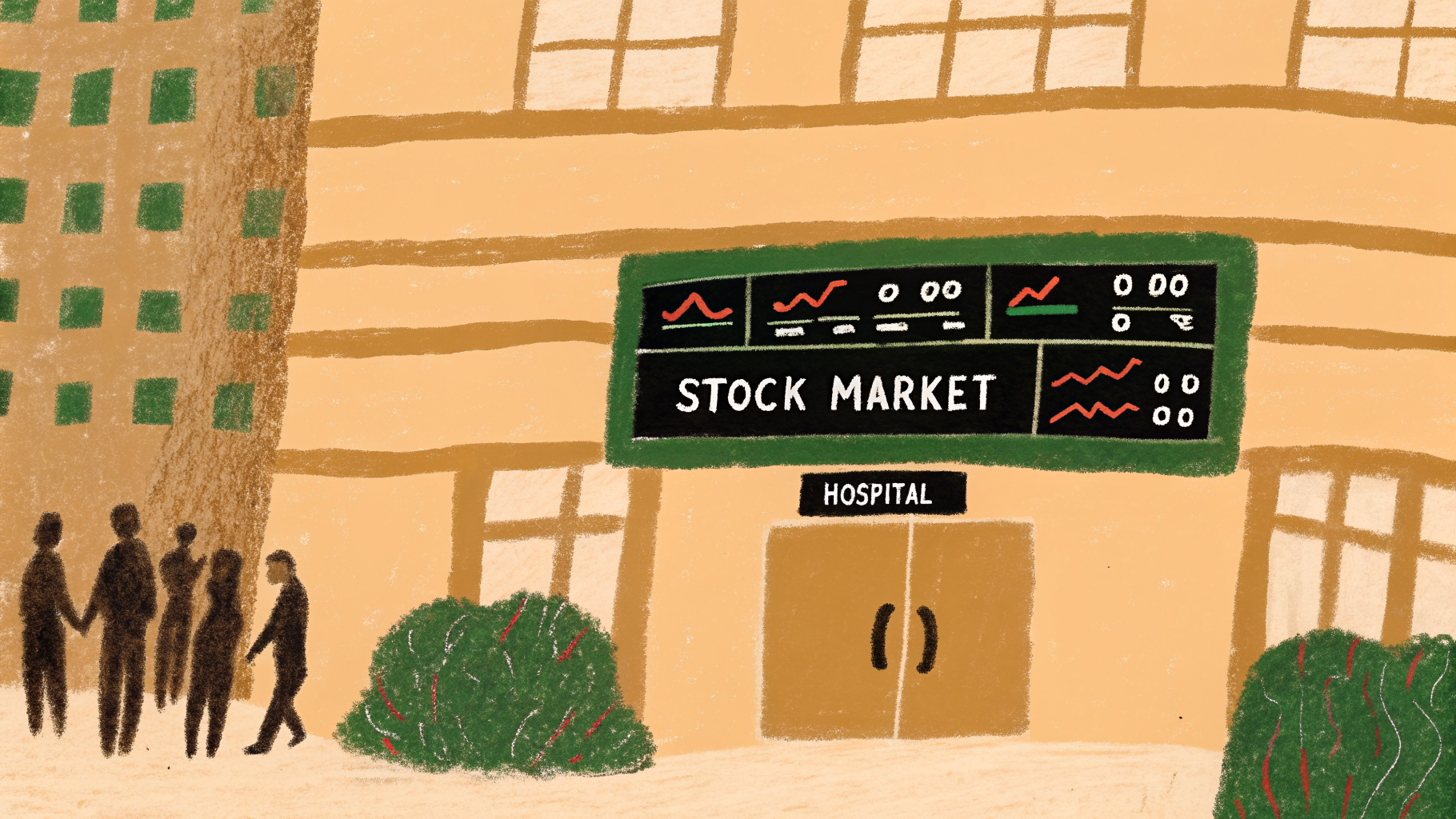
Noel Tata warns listing could change Tata’s philanthropic model
A wider shareholder base could prioritize returns over dividends supporting Tata Trusts’ hospitals, education and relief work.
Overview
, the company at the center of the Tata group, is being pushed to list its shares on the stock market. The rejected its request to give up its . It now faces stricter rules and a listing requirement. Chairman N Chandrasekaran’s team has started meeting those rules. , which own about 66%, oppose a listing. The , which owns about 18.37%, supports one to raise the value of its stake.
The dispute also concerns Tata’s charitable work. Dividends from help fund ’ hospitals, education and relief work. Noel Tata warns that tens of thousands of public shareholders could push profits and quick returns ahead of philanthropy. Regulators still expect to comply, while the Trusts seek other options. No listing has happened, and its timing, legal route and effect on control remain unsettled.
Timeline
Tata Trusts pledges regulatory engagement while opposing a Tata Sons listing
Noel Tata said would engage constructively with regulators in an effort to preserve Tata Sons’ unlisted character. The Trusts, which control roughly two-thirds of Tata Sons, continued to oppose a . Tata Sons’ management, led by N Chandrasekaran, maintained that it must follow the RBI’s instructions and applicable law.
Noel Tata warns that public shareholders could put profits ahead of philanthropy
Tata Trusts Chairman Noel Tata warned that listing Tata Sons could change the . He said a shareholder base of 30,000 to 40,000 people could eventually make profit take precedence over philanthropy and increase pressure for . His comments sharpened the conflict between Tata Trusts and Tata Sons’ regulatory obligations.
Tata Sons begins listing steps after the RBI closes its regulatory exit route
After the RBI decision, Tata Sons began steps toward complying with the listing requirements applicable to . Chairman N Chandrasekaran and the company’s management faced the need to prepare for greater public disclosure, and market scrutiny. No completed flotation or public timetable was reported in the available coverage.
Tata Sons remains caught between mandatory listing pressure and Tata Trusts’ philanthropic model
The latest reported position leaves Tata Sons under the upper-layer NBFC framework after the RBI rejected its registration-surrender application. Tata Sons has initiated compliance and listing steps, but no completed listing or final timetable has been reported. The unresolved dispute pits and minority shareholder returns against Tata Trusts’ control and dividend-supported philanthropy.
RBI rejects Tata Sons’ application to surrender its core investment company registration
The RBI rejected Tata Sons’ application to exit its core investment company status. The decision closed the principal route the company had pursued to avoid the listing obligation attached to upper-layer NBFCs. Tata Sons therefore remained subject to the regulatory framework requiring it to address a possible public listing.
The Shapoorji Pallonji Group backs a Tata Sons listing to unlock the value of its minority stake
The Shapoorji Pallonji Group, Tata Sons’ second-largest shareholder, supported a for its approximately 18.37% holding. Its position contrasted with Tata Trusts’ preference for preserving the unlisted structure. The disagreement placed shareholder returns and valuation against the Trusts’ control and philanthropic objectives.
Tata Sons repays debt and seeks to surrender its core investment company registration
Tata Sons repaid outstanding debt reported at about Rs 21,813 crore and applied to the RBI to surrender its registration. The move was intended to remove the regulatory classification that could trigger mandatory listing. It offered Tata Sons a possible route to remain privately held.
Tata Sons continues operating as the group holding company while funding Tata Trusts through dividends
Tata Sons remained the linking major Tata operating businesses and investments. collectively held about 66% of Tata Sons, while dividends and other distributions from the group helped support the Trusts’ philanthropic activities. This ownership model made the listing question both a governance dispute and a debate over charitable funding.
RBI classifies Tata Sons as an upper-layer non-banking financial company
The Reserve Bank of India placed Tata Sons in the of its framework. That status brought stricter governance, disclosure and capital requirements, including a potential stock-market listing. The decision made Tata Sons’ long-standing unlisted structure a live regulatory issue.