
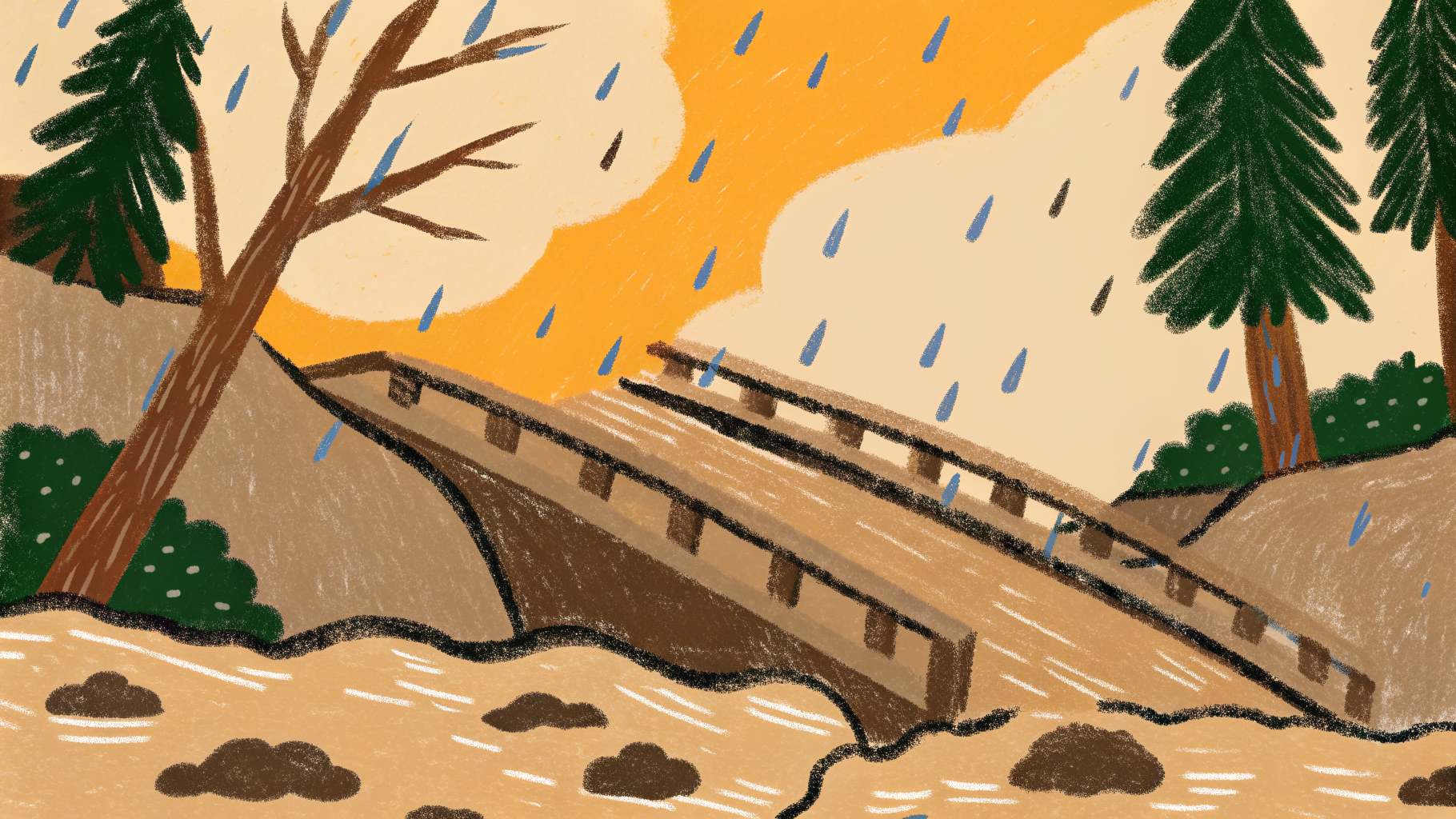
Flash floods in Nepal’s have exposed how vulnerable are when steep terrain, narrow river valleys, and critical infrastructure meet. The damage to homes, bridges, , and shows that the disaster is not only a humanitarian emergency but also a threat to trade, transport, and cross-border connectivity in a zone already shaped by fragile mountain risk.
Chinese state media reported major casualties and missing people in , Tibet, after a mudslide there, underscoring that the disaster crossed the border watershed. Nepali officials and local reports pointed to heavy rain or a blockage in the Tibetan as the likely source of the flood wave that hit Nepal. The event highlighted how glacier-fed and rain-fed Himalayan rivers can turn sudden upstream damage into severe downstream losses in remote border districts.
Reports said the flood damaged the , the , and other strategic facilities along the border corridor. The at the Nepal-China crossing was also reported swept away, cutting a key transport and trade route. These losses showed that the flood was not only a humanitarian emergency but also a blow to energy and cross-border infrastructure.
Nepali authorities sent rescue teams, police, and army personnel into the disaster zone, and were used to reach isolated areas. At least 25 people were reported rescued by Wednesday afternoon, showing that the response was underway even as access remained difficult. The remote border terrain, damaged roads, and dangerous river conditions slowed efforts to search for the missing and survivors.
By later on Wednesday, officials reported at least seven to eight deaths, while the number of people remained uncertain. One account said nine personnel were , and other reports noted additional civilians and Chinese nationals unaccounted for. Early casualty figures varied as rescue teams struggled to reach the flooded area and verify who had been swept away.
The flood destroyed homes, roads, bridges, and project sites in the and areas, turning the weather event into a major infrastructure disaster. Coverage said villages were swept away and was cut off after key transport links were damaged or lost. The scale of destruction also raised concerns about how exposed the border corridor is to sudden mountain floods.
A sudden flash flood surged into Nepal’s near the , with officials saying the water came from the Tibetan side of the watershed. Reports said the and nearby river corridors were hit early on Wednesday, in a steep mountain zone where narrow valleys can quickly funnel water and debris downstream. Authorities initially had not confirmed the full cause, while local flood officials said a or blockage upstream in Tibet may have triggered the surge.