
Politics
Supreme Court Rebukes BCI Over NALSAR Enrolment Freeze
Did the council have power to target a whole graduating batch over a protest?
Did the council have power to target a whole graduating batch over a protest?
’s convocation dispute has grown into a test of how far the can go in responding to student speech and campus dissent. What began as objections to inviting Chief Justice soon raised bigger questions about , regulatory power, and whether a whole graduating batch could be caught in the backlash before the council quickly reversed itself and the matter moved toward scrutiny.
The court directed that no be taken against NALSAR students or faculty over the protest. It gave the BCI time to justify its actions at the , leaving unresolved the central question of how far the regulator can go against an entire graduating batch.
The Supreme Court sharply questioned the BCI’s action and said students have a . It also indicated that the issue was not for the regulator to punish through , narrowing the case to the legality of the BCI’s conduct.
NALSAR alumni approached the seeking an into how the BCI chairperson issued the orders. The petition moved the dispute from public controversy into judicial scrutiny over procedure, accountability, and the limits of .
The council then said it was closing the matter, stating that the had no role in any disturbance or movement and that no further action would follow. That marked a shift from blanket punishment to , though questions about the protest itself remained.
Within hours, the BCI pulled back the enrolment ban and said all NALSAR 2026 graduates would be free to enrol with the State Bar Council of their choice. The reversal eased the immediate threat to the batch, but it did not settle the wider issue of whether the original order was lawful.
The freeze triggered immediate criticism from lawyers and legal commentators, who questioned whether the BCI could punish an entire graduating class for . Reporting framed the move as disproportionate and raised doubts about its basis under the Advocates Act and Bar Council rules.
On the same day, the BCI directed all State Bar Councils not to any 2026 NALSAR graduate as an advocate until further orders. The sweeping step appeared to target the whole graduating batch, not only any named students involved in the protest.
The Bar Council of India asked NALSAR for an on who initiated, organized, coordinated, or mobilized the campaign against the proposed convocation invite to Surya Kant. This was the first formal regulatory move and turned a campus protest into a question of and authority.
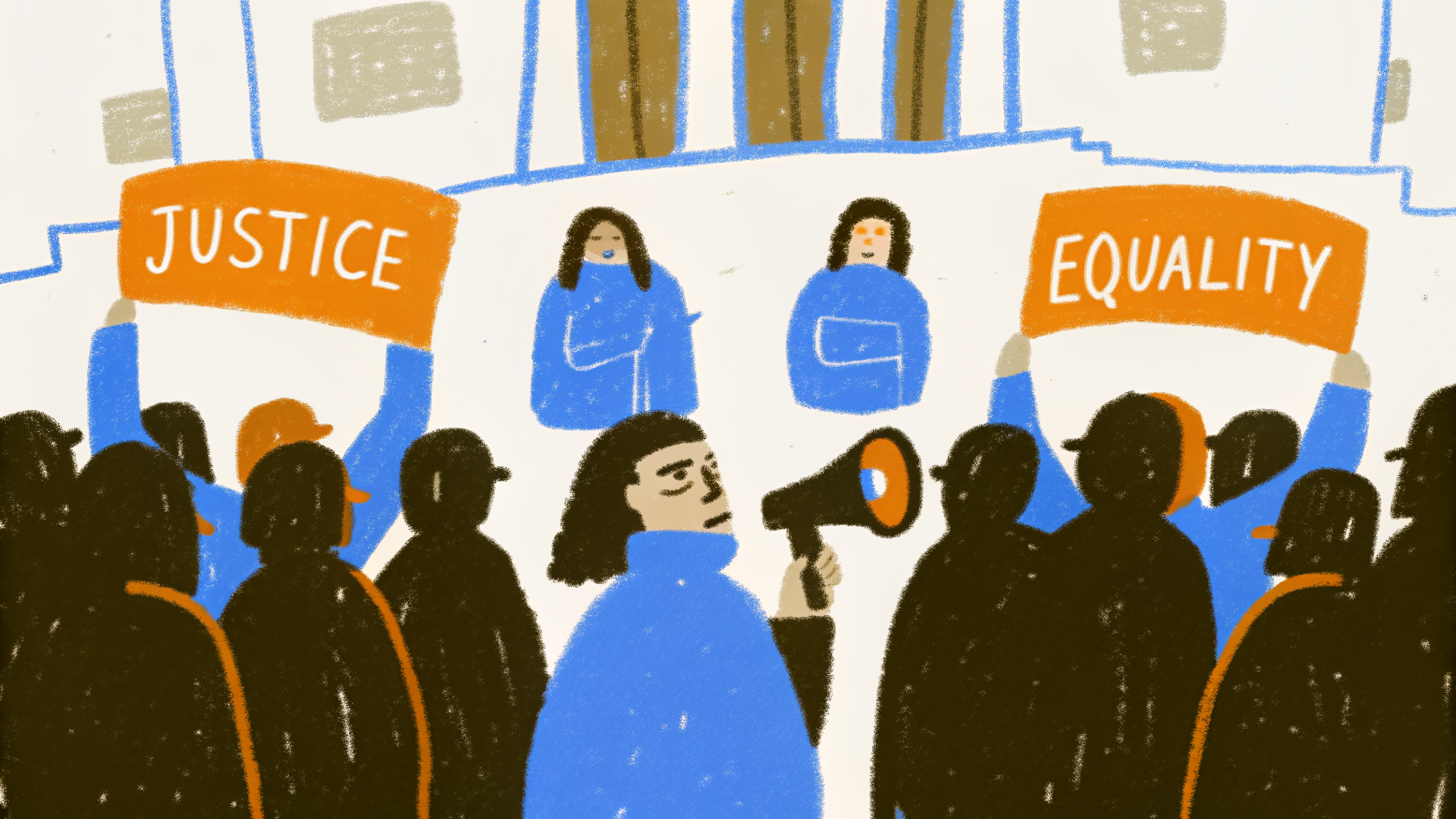
The student objection quickly became an organized inside NALSAR, with and other students pressing university authorities to rethink the plan. The dispute was still internal at this stage, but it set up the later regulatory reaction from outside the university.
A section of ’s Batch of 2026 wrote to the university asking it to reconsider inviting Chief Justice of India Surya Kant as . Students said their objection was about the signal sent by the invitation, and linked it to recent legal controversies and concerns about academic freedom.