
Politics
Karnataka Orders Probe Into Bulk Voter Deletion Claims
Officials will scrutinize mass Form 7 filings and possible false declarations.
Officials will scrutinize mass Form 7 filings and possible false declarations.
Karnataka’s voter roll review has become a dispute over claims that thousands of names were targeted for deletion through , which is used to object to a voter’s name. Officials and reporters say the disputed filings were made in bulk across several constituencies, often within a short time. That has raised fears that people who should keep their names on the list, especially minorities, could be wrongly removed.
Chief Minister D. K. Shivakumar’s protest pushed the election office to open a formal inquiry, and the commission has warned that false declarations can lead to action. The case matters because it will test whether election checks can stop abuse without blocking real objections. The result could affect trust in the voter list during the .
The inquiry was underway after the protest, with officials examining the alleged mass submissions and the constituencies named in the complaints. The immediate stakes are whether false objections can be identified and whether eligible voters were wrongly targeted during the . The case has also put new attention on how are checked before any is allowed.
Shivakumar said the Election Commission should file in every constituency where were submitted, and he tied the matter to possible . Reporting also said complaints had already been made in some constituencies, with police expected to respond where formal cases existed. The story therefore moved from an administrative probe toward possible criminal investigation if deliberate fraud is established.
The CEO also warned that false declarations in could lead to action, putting the allegations into the wider context of . Officials were told to examine whether applicants knowingly made false claims when seeking additions, corrections or deletions. The warning broadened the inquiry beyond Form 7 alone and into the integrity of the overall .
Anbu Kumar ordered an inquiry under of the , saying that any action had to follow that process before further steps were taken. The order was described as a procedural requirement before acting on the alleged deletions or the applications behind them. That made the probe an administrative investigation first, not an immediate deletion or punishment decision.
The representation from the protest was submitted to V. Anbu Kumar, who became the official point of response for the allegations. Shivakumar also pressed for police action and said complaints had already been lodged by affected voters in some places. This was the immediate handoff from political accusation to election-authority scrutiny.
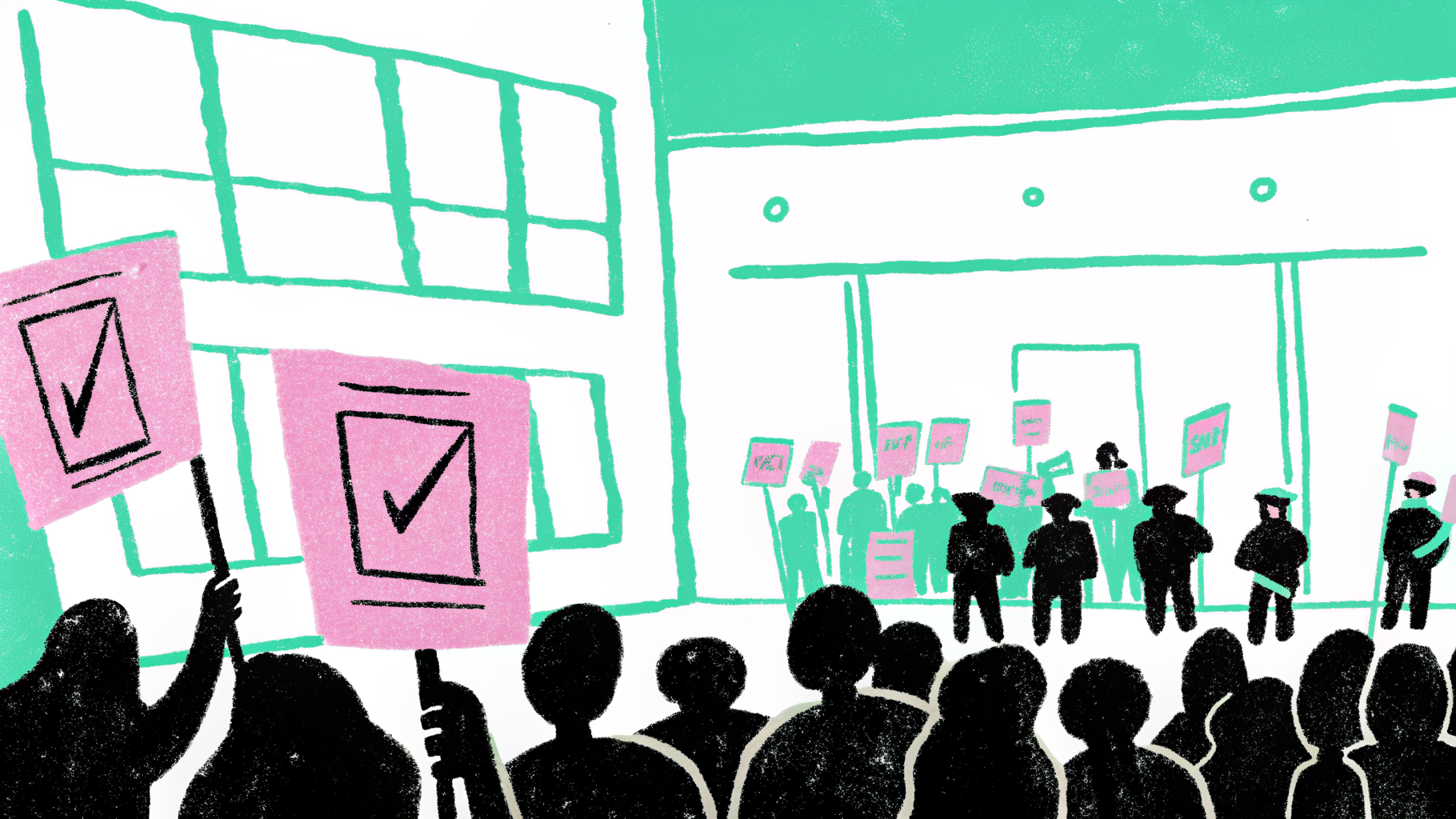
Shivakumar led a at the Chief Electoral Officer’s office in Bengaluru with ministers and MLAs, demanding an and a time-bound criminal investigation into the alleged bulk filing. He handed over a asking for constituency-wise and booth-wise scrutiny of the suspicious applications. The protest turned the dispute into a direct institutional confrontation with the election administration.
Chief Minister D. K. Shivakumar said were being used to remove voters from the and cited examples such as 3,000 in Belagavi North, 6,259 in Mudigere, 2,285 in Bhalki, 1,373 in Babaleshwar, and 1,200 in Narasimha Raja. He also said many applications were filed between September 22 and 24 and alleged that preprinted forms with voters’ names and had been submitted. The allegation shifted the story from scattered complaints to claims of a coordinated attempt to distort the during the revision process.
Public complaints and reporting pointed to unusually large clusters of Form 7 submissions in places including , , Vijayapura, Babaleshwar, Mudigere, and other constituencies. The examples included hundreds or thousands of objections in single areas, with some filed in a narrow window before the deadline. Those patterns raised concern that the applications may have been preprinted or centrally coordinated rather than filed case by case.
Reports from Karnataka said more than 4,000 objections had been filed across several Assembly constituencies during the , with many seeking deletion of names, largely from Muslim voters. is the election form used to object to an entry in the , so mass or prefilled submissions can be abused to target eligible voters. The early complaints made the issue an administrative concern before it became a public political confrontation.