
The Japanese yen has plummeted to a 40-year low against the US dollar, triggering a crisis of confidence in Japan's bond market and threatening the unwinding of the $20 trillion . This collapse exposes the fragility of Japan's and signals a potential global market shock if the trade unwinds rapidly. The story matters because it forces a reckoning with decades of as rising yields and inflation pressures challenge the 's ability to defend the currency without sparking further economic instability.
Prime Minister Takaichi schedules a snap poll for Feb 8, adding political uncertainty to the economic volatility. Investors watch for further policy moves as the currency crisis and bond market turmoil continue.
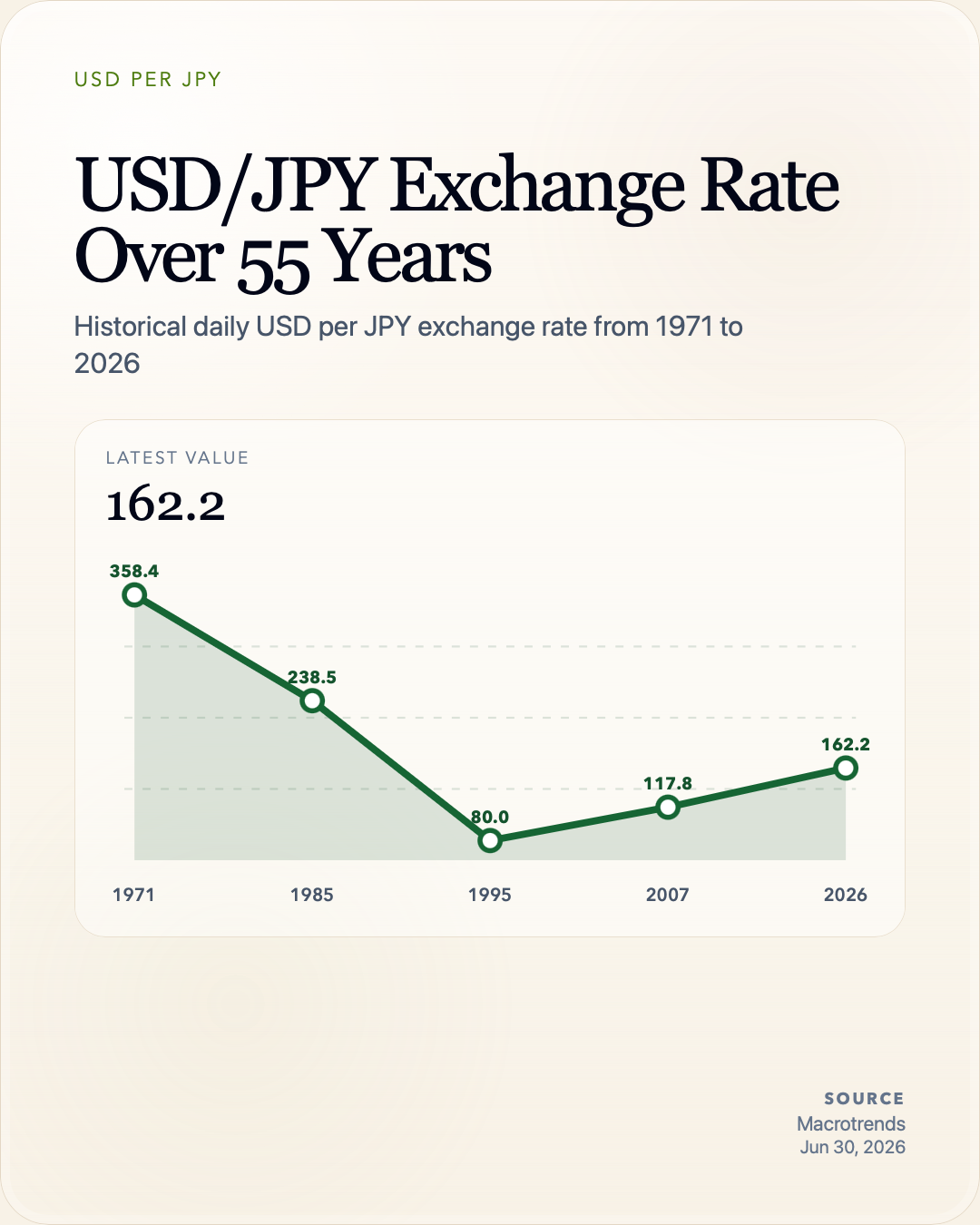
The yen approaches a 40-year low against the US dollar at 161, keeping pressure on the to defend the currency or let inflation run. The sends yields to record highs, intensifying the crisis.
Investors are on guard for moves in Japan spilling over into global markets amid the prospect of continued volatility in . The Takaichi is scheduling for Feb 8 adds to the uncertainty.
A weak yen boosts Japanese exporters but raises import costs, creating a mixed economic impact. The currency crisis deepens, highlighting the trade-offs of Japan's .
The yen near 161 keeps pressure on the Bank of Japan to defend the currency or let inflation run. This creates a critical as import costs rise, forcing a choice between stability and growth.
Investors note that the is now over $20 trillion. If Japan's yields go too high, it will unwind the trade, making the carry trade a crowded risk worth watching for potential global market shocks.
Japan's 10-year government bond yield climbs to around 2.65%, snapping a three-session decline. Solid economic data and hawkish remarks reinforce rate hike expectations, yet the remains wide.
Hawkish remarks from central bank officials reinforce expectations that the Bank of Japan will continue raising interest rates this year. Despite these signals, the currency continues to weaken due to .
Retail sales rise 5.3% in May, the strongest pace since November 2023, supported by a . This data reinforces expectations that the Bank of Japan will continue raising rates to combat inflation.
The yen weakens to its lowest level in 40 years against the at 161 in the latest trading session. The bond slump deepens, driving the currency to levels last seen in December 1986.
The 40-year rate rockets past 4% to a fresh high since its debut in 2007. This is the first time any maturity of Japan's hits this level in over three decades, signaling a critical breakdown in the bond market.
The jump in 30-year and 40-year yields exceeds 25 basis points, the largest increase since the aftermath of in April 2025. This surge deepens the bond slump and intensifies pressure on the currency.
A lackluster auction of underscores broader worries over unchecked spending and inflation. The failure accelerates the selloff in Japanese debt, pushing yields higher and deepening market anxiety.
Investors reject Takaichi's fiscal pitch, causing 20-year and 40-year bond yields to surge by approximately 80 since she took office. This marks the beginning of a significant bond meltdown as confidence in Japan's debt sustainability erodes.
Prime Minister Sanae Takaichi unveils her election pitch to cut taxes on food, signaling a major shift from to stimulus. This move raises immediate concerns about rising government spending and potential inflation, setting the stage for market volatility.