
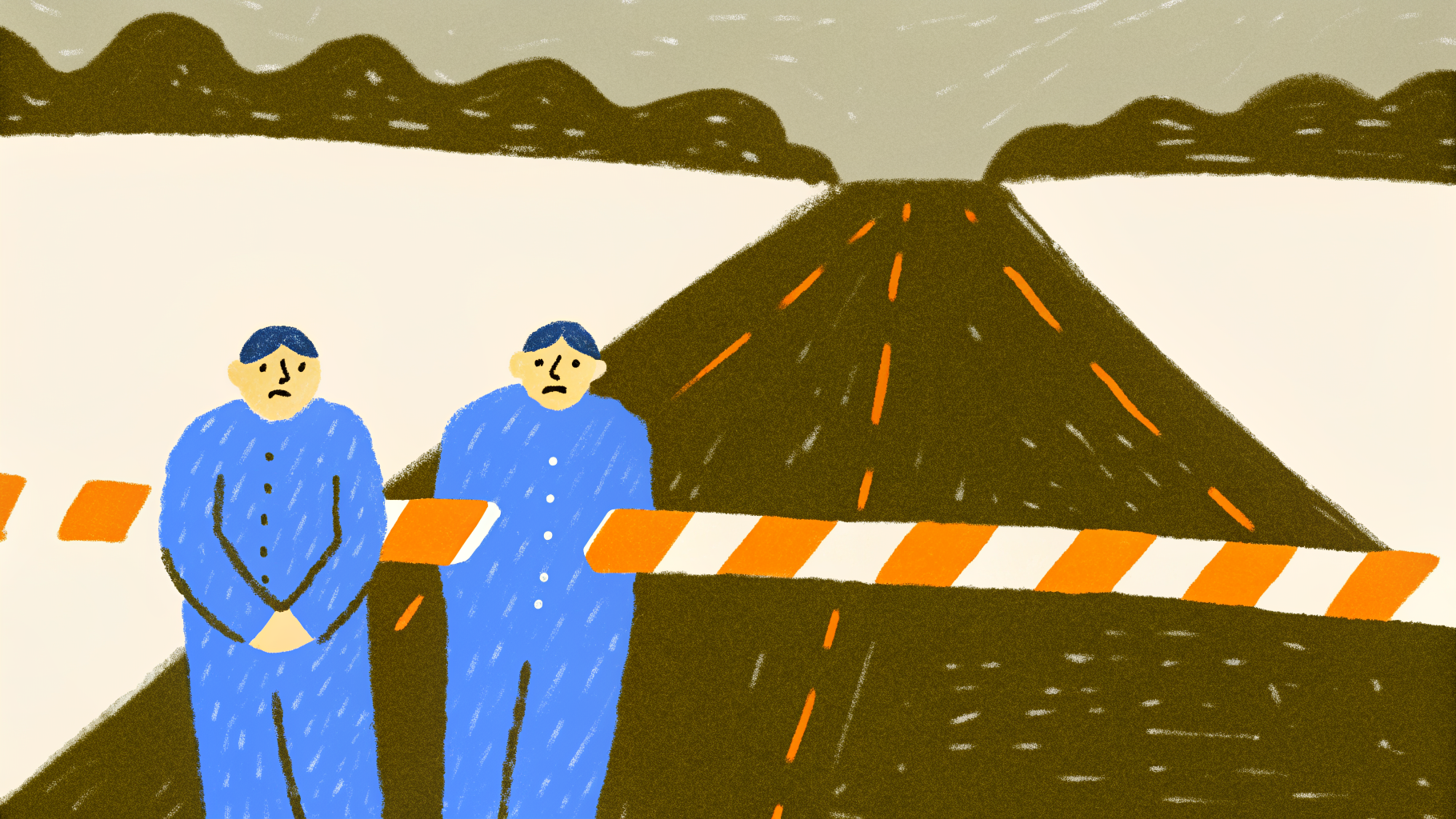
Israel closes West Bank crossings for election-day security
The closure cuts Palestinian access to jobs, families, trade, and services.
Overview
Two Palestinian gunmen killed two Israeli soldiers and wounded three others at a checkpoint near . Israeli forces killed both attackers. Israel then carried out arrests, blocked roads and destroyed buildings around . praised the attack but did not say it was responsible. Israeli leaders widened limits on Palestinian movement, saying they would prevent more attacks and protect the national election.
Workers were barred from many Israeli communities in the West Bank and . Some could still enter industrial areas and other approved places. On October 27, election day, Israel planned to stop workers entering or leaving the West Bank and close every . The move would disrupt jobs, trade, family trips and access to services. Supporters say it could lower immediate risks. Critics say it affects far more civilians and links Israel’s election decisions and army policy to Palestinian people’s ability to earn a living.
Timeline
Israel framed the election-day closure as a security measure
Israeli authorities said the restrictions, including a ban on Palestinian workers and closure of all on October 27, followed a security assessment after a deadly attack near . Reports described the measures as affecting Palestinian workers and movement across the West Bank.
The closure disrupted Palestinian workers’ access to jobs and movement
The restrictions barred Palestinian workers from entering Israeli communities, and other areas during the election period, while all land crossings were scheduled to close on October 27. Limited exceptions applied in some approved areas.
Israel closed all West Bank land crossings and halted Palestinian worker movement on election day
For the full day of Israel’s national election, Palestinian workers were barred from entering or leaving the West Bank and Jordan Valley, including industrial zones. Israel also closed all connecting the West Bank with Israel. The military described the action as a security closure following the Hebron attack, while its timing made election administration central to movement control.
Israel’s political leadership approved a full election-day worker ban and crossing closure
Following a recommendation from the , Israel’s political leadership approved a ban on Palestinian workers entering or leaving the West Bank and Jordan Valley. The decision covered industrial zones as well as Israeli communities. The military said the measures would end after the election.
Israel barred Palestinian workers from West Bank settlements before the election
The Israeli military said Palestinian workers would not be allowed to enter Israeli communities in the West Bank and on Sunday and Monday. Exceptions remained for industrial zones and a limited number of specifically approved areas. The phased restriction changed ordinary access to jobs for permit-holding workers before voting day.
Israel launched a security operation around Hebron after the soldiers were killed
Prime Minister Benjamin Netanyahu announced a major operation in response to the attack. Israeli forces surrounded parts of , carried out search operations and reportedly conducted arrests and building demolitions. Officials presented the measures as an effort to prevent further attacks.
Two Palestinian gunmen killed two Israeli soldiers in a Hebron checkpoint attack
Palestinian gunmen opened fire at a near Hebron, killing two Israeli soldiers and wounding three others. Israeli forces killed both attackers at the scene. praised the killings without claiming responsibility.