
Politics
Iran Declares Hormuz Red Line After New US Strikes
Will blocking this chokepoint carrying 20 percent of global oil trigger a wider war?
Will blocking this chokepoint carrying 20 percent of global oil trigger a wider war?
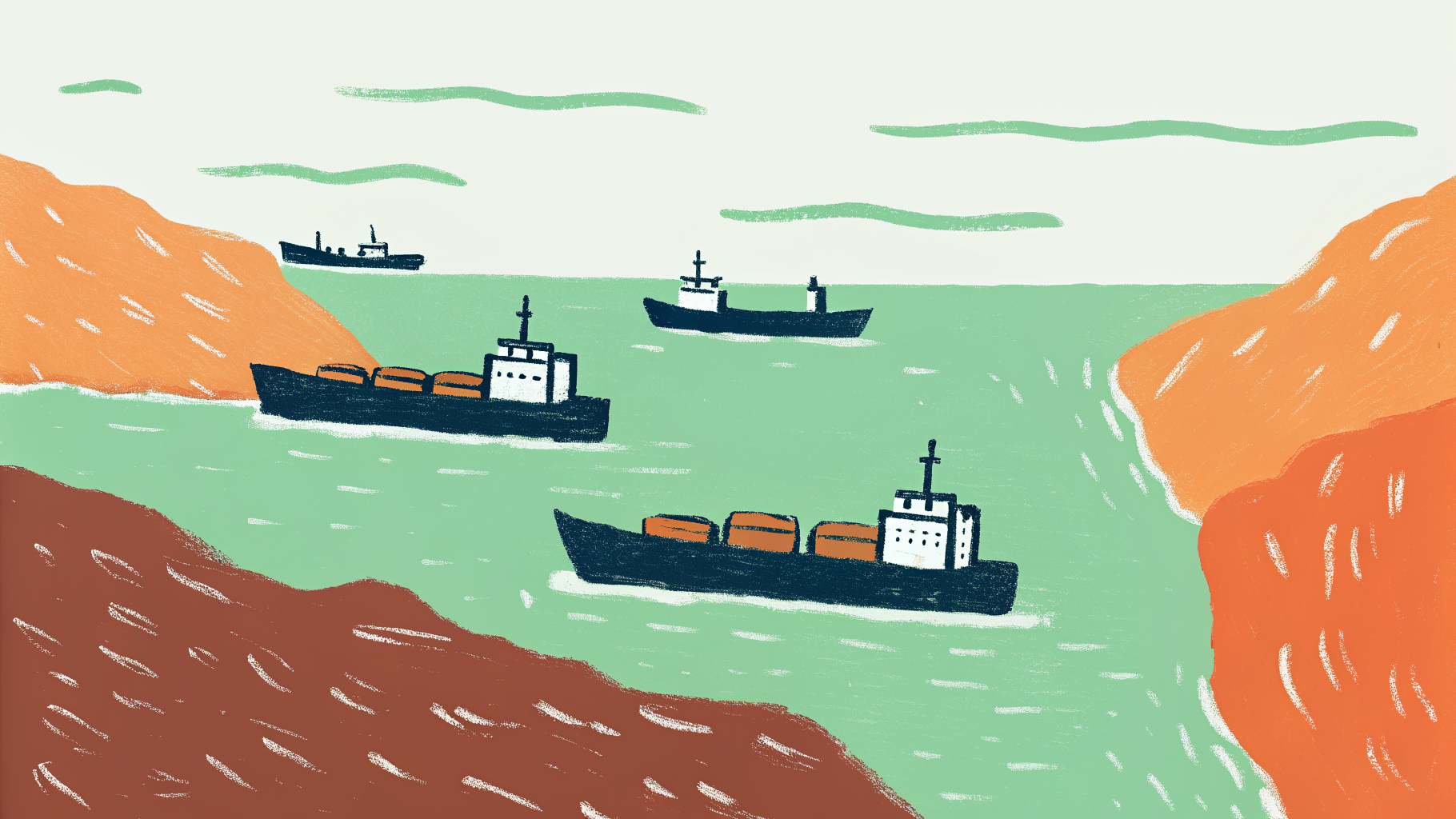
Iran has declared the a , vowing to defend the waterway after the US launched new military strikes and reinstated , escalating a four-month conflict in . Control of this strategic chokepoint, which carries roughly 20% of global oil, has become the central objective driving both US military action and Iranian defiance. The standoff threatens to disrupt critical energy supplies and destabilize global markets as both sides test their resolve over access to the .
Iran is refusing any arrangement that undermines Iranian control over the Strait of Hormuz and is using force to maintain its control, viewing it as a major strategic objective. Iran fired missiles and drones at US facilities in Bahrain, Kuwait, Jordan, Qatar, and Oman on July 12 in retaliation for the US strikes in Iran on July 11.
The IAEA head called the situation in the Strait of Hormuz the biggest energy security threat in history, highlighting the global impact of the conflict over this critical . Experts suggest that the latest hostilities are unlikely to diminish Iran's capability to pose threats to shipping in this crucial global energy corridor.
Tehran drew a red line over reopening the Strait of Hormuz, with Foreign Minister Abbas Araghchi stating only the Iranian administration is 'in charge of resuming' shipping through the strategic waterway. Araghchi declared that according to the , the strait will return to its pre-war capacity within 30 days under the management that Iran will adopt.
President Donald Trump directed American forces to launch fresh strikes in Iran against alleged ceasefire violations, escalating the military confrontation just hours before Iran's . The US Central Command stated American forces launched additional strikes to further degrade Tehran's ability to threaten freedom of navigation in the Strait.
The carried out coordinated strikes against at least 18 US military targets following the latest escalation, demonstrating Iran's willingness to directly engage US forces beyond the waterway. Iran launched drone and missile strikes against Kuwait and Bahrain after the US military launched a second round of airstrikes targeting 10 locations of Tehran's military in the Strait.
Iran's top military commander announced the complete closure of the Strait of Hormuz, one of the world's most strategically important waterways, in retaliation for the latest American attacks. The closure effectively shuts down a waterway that accounts for approximately 20% of global oil and gas trade.
President Trump reported that three US Navy destroyers came under attack while navigating the Strait, a waterway responsible for transporting one-fifth of the world's oil and LNG. Iran claims the US breached the ceasefire by attacking an oil tanker, while the US accuses Iran of breaching the agreement after strikes targeted sites around the strait.
The US military unleashed a new wave of strikes against Iran on Tuesday and revoked a license allowing the country to sell oil after three tankers were hit by projectiles in the Strait of Hormuz. This action put pressure on an already fragile ceasefire and marked a direct military response to what the US called a clear violation.
President Donald Trump accused Tehran of a 'foolish violation' of a ceasefire agreement by launching drone attacks at ships in the Strait of Hormuz, prompting the US military to strike Iran on Friday. The strikes targeted Iranian radar installations and missile storage near the strategic waterway in response to an attack on the container ship Ever Lovely.
Coordinated US and Israeli airstrikes against Iran on February 28, 2026, launched the ongoing conflict that has now lasted four months, setting the stage for subsequent escalations including tensions over the . Iran has effectively blocked this crucial shipping lane since the conflict began, through which approximately one-fifth of the world's oil travels.