
World
India prepares wider E85 rollout
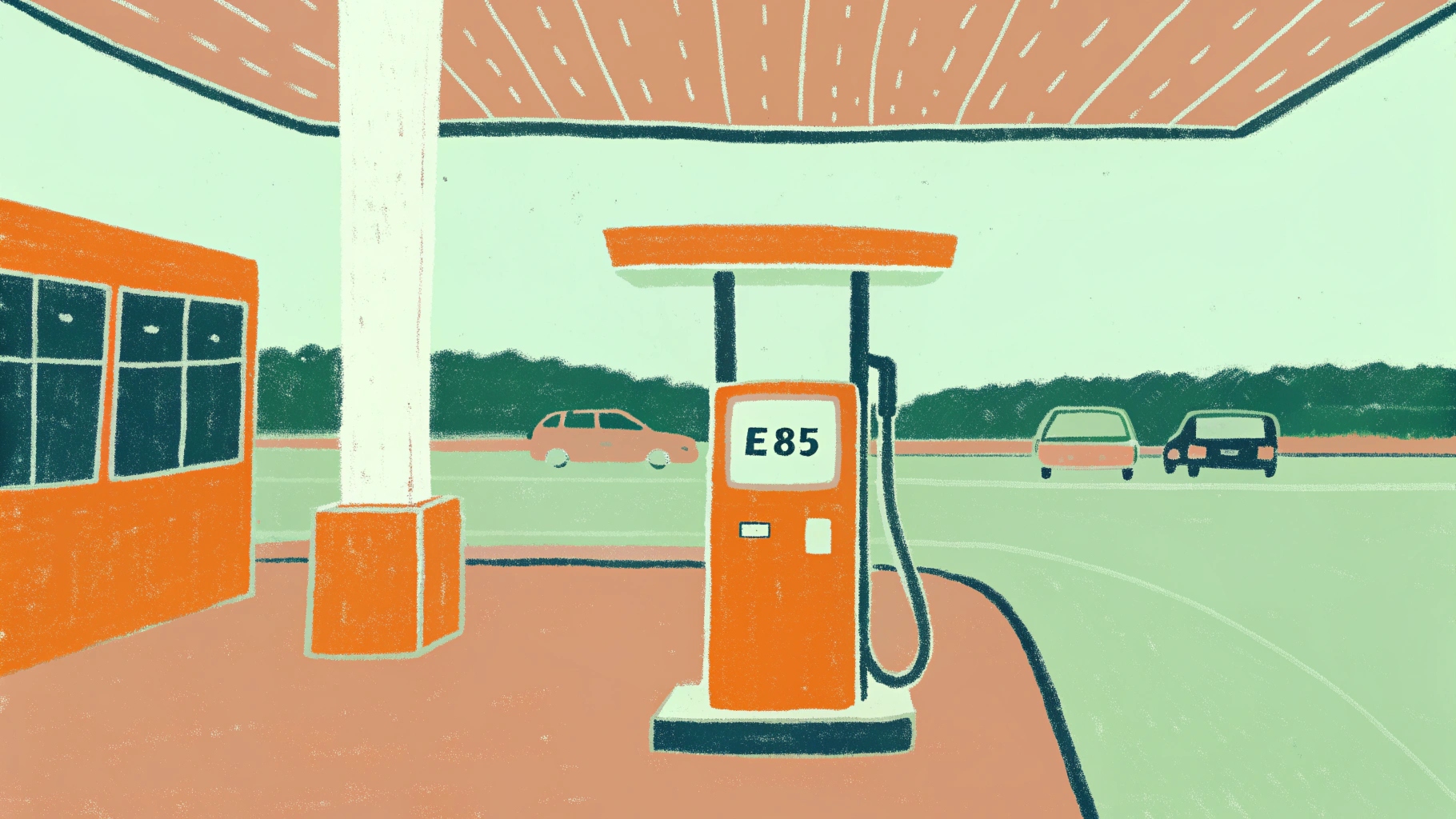
The government is moving beyond E20 toward multiple ethanol blends, with E85 positioned as a new optional fuel choice for flex-fuel cars.
The government is moving beyond E20 toward multiple ethanol blends, with E85 positioned as a new optional fuel choice for flex-fuel cars.
India’s shift from toward marks a broader move to turn into a multi-grade fuel market, not just a single clean-fuel target. The policy matters because it could cut oil imports and open new demand for farmers, but it also depends on vehicle readiness, technical standards, and whether consumers can safely choose higher blends alongside regular .
The main unresolved issues are how will be priced, how quickly stations can add separate , and how many vehicles will be ready to use it. The rollout is expected to sit alongside and other petrol grades, but the pace of adoption will depend on infrastructure and vehicle availability.
Three issues remain open: the price of E85, how fast stations can add separate dispensers, and how many vehicles can use it. Those factors will determine whether E85 becomes a practical option or stays limited.
E85 cannot be rolled out just by changing labels at the pump. Stations need separate dispensing systems, and that takes investment and time, especially if they must keep selling E20 and regular petrol at the same site.
Drivers and automakers are both affected. If too few vehicles are compatible, E85 demand will stay low even if stations offer it, which could slow adoption and limit the fuel’s commercial viability.
Consumers may eventually choose between E20, E85, and regular petrol at the pump. That could improve choice, but only if pricing, labeling, and vehicle compatibility are clear enough to avoid confusion.
Officials have said the wider is meant to reduce crude oil imports and absorb surplus ethanol output. The policy is also designed to sustain demand from farmers and distilleries, linking to rural income and the domestic .
Officials say the goal is to cut crude oil imports and use more of the country’s ethanol output at home. That also supports energy security by reducing exposure to imported fuel prices and supply shocks.
The program creates steady demand for ethanol made from sugarcane, grains, and other feedstocks. That can support farm incomes and keep distilleries operating, because fuel demand becomes a major outlet for surplus ethanol.
The main payoff is lower import spending and more domestic value creation. As blending rises, more of the fuel supply chain shifts from imported crude toward local agriculture, processing, and fuel distribution.
The government has pointed to flex-fuel vehicle launches as evidence that manufacturers are preparing for the . These launches underline the practical side of the policy, since E85 needs vehicles designed with that can adapt to higher ethanol content.
They suggest manufacturers are preparing for a shift from E20 toward E85. The launches matter because policy changes only work if vehicles on the market can actually use the new fuel grades.
They use sensors and engine controls that automatically adjust to different ethanol levels. That flexibility lets the same vehicle run on higher-blend fuels without the safety problems that ordinary petrol engines would face.
It reduces the gap between fuel policy and real-world use. If more manufacturers offer compatible vehicles, consumers can choose higher ethanol blends without waiting for a separate infrastructure overhaul.
Industry response suggested that vehicles already in testing could handle higher ethanol fuels, with newer models seen as better suited to E85 compatibility. This commercial readiness matters because E85 requires and cannot be used safely in .
E85 can only work safely in vehicles designed for it, so manufacturer readiness is a practical gatekeeper. If newer models and tested vehicles can handle higher ethanol blends, the rollout can expand without forcing consumers to buy all-new technology at once.
No. The event description says E85 cannot be used safely in ordinary petrol engines. Vehicles need flex-fuel hardware and engine controls that can adjust to the higher ethanol content.
Newer vehicles are more likely to include the sensors and engine-management systems needed for flex-fuel operation. That improves compatibility with E85 and lowers the risk of engine damage or poor performance.
The Ministry of Road Transport and Highways issued a proposing amendments to the to cover E85 and . It also suggested updating petrol labels to reflect the new blend categories, formalizing the shift from E20 toward a broader flex-fuel framework.
The ministry proposed amending the motor vehicle rules to formally cover E85 and E100. That matters because it moves higher-ethanol fuels from a policy idea toward a regulated fuel category with clearer standards for use and sale.
The label changes are meant to make different blend levels visible at the pump. If consumers can see whether a fuel is E20, E85, or another grade, it becomes easier to avoid misuse and to support a multi-blend fuel market.
It shows the government is widening the framework beyond E20 rather than stopping there. The proposal would formalize a broader flex-fuel system, which makes higher ethanol blends part of the official fuel standard set.
Reports said the government was likely to launch E85 by the end of the year, after consultations with automakers and ethanol producers. The planned fuel contains 85% ethanol and 15% petrol, and officials linked the move to reducing costly and supporting the .
The rollout is aimed at cutting costly crude oil imports and creating more demand for domestic ethanol. Reports say the plan followed consultations with automakers and ethanol producers, suggesting the government is trying to align fuel policy with vehicle supply and ethanol availability.
No. E85 is expected to be sold alongside existing petrol blends, not as a full replacement. Consumers will still be able to choose fuel grades, which makes the rollout dependent on whether suitable vehicles and fuel stations are available.
E85 contains 85% ethanol and 15% petrol, so it is only suitable for vehicles built for flex-fuel use. Ordinary petrol engines cannot safely use it, which means adoption will depend on how quickly manufacturers can supply compatible cars.
Officials said adoption would be optional for consumers, with the fuel sold alongside existing petrol grades at stations. The plan points toward a system where buyers can choose among different , depending on the vehicle they own and the fuel they prefer.
Only drivers with vehicles that can safely run on higher ethanol blends would be able to use it. Since the plan is optional, E85 would sit alongside regular petrol rather than replacing it, so compatibility stays with the buyer’s vehicle choice.
Stations would need to sell multiple petrol grades side by side, and consumers could choose based on their vehicle and preference. That creates a more flexible market, but it also depends on clear labeling and reliable availability of each blend.
The rollout followed consultations with Indian automakers, who told authorities they were equipped with the technology needed for . Officials said and had already been achieved, making industry readiness a key trigger for the next phase.
They gave officials confirmation that industry had the technology for flex-fuel cars. That removed one of the main barriers to moving ahead, since fuel policy only works if vehicle makers can support the new blend levels.
It suggests the government saw enough technical and industry agreement to move to the next phase. In practice, that lowers the risk of launching standards that vehicles or manufacturers are not yet ready to handle.
The had already prepared , while also targeting standards for . Those specifications are intended to guide as India expands from a single E20 standard toward multiple ethanol-blended petrol options.
They give refiners and blenders a technical rulebook for making E85 and new intermediate blends such as E22, E25, and E26. That reduces uncertainty about fuel quality and helps the market move beyond only E20.
Multiple standards make it easier to sell different fuel grades for different vehicles and supply conditions. They also support a gradual transition, so higher blends can be introduced without forcing every station or vehicle into the same fuel immediately.
The government circulated a to update so that E85 and even higher-ethanol fuels could be formally tested and recognized. The move also reflected a shift toward broader fuel classification changes, with E85 positioned as part of a .
It would let E85 and even higher-ethanol fuels be formally tested and recognized under motor vehicle rules. That matters because official recognition is usually needed before fuel grades can be standardized, sold more widely, and tied to vehicle compliance.
The update signals a move away from a single ethanol target toward a multi-grade petrol market. That gives regulators a framework for higher blends, which could expand consumer choice and support cleaner fuel use if vehicles and standards keep pace.
India achieved nationwide , making 20% ethanol-blended petrol the current baseline across the country. The is being built on top of that rollout, with the new fuel expected to be sold alongside rather than replacing them immediately.
It means 20% ethanol-blended petrol is available nationwide and is the default fuel reference point. E85 is being added on top of that system, so consumers would be able to choose between different petrol grades rather than seeing an overnight replacement.
Vehicles need to be compatible, and fuel stations need the right storage, dispensing, and quality controls. The rollout depends on the supply chain being able to handle separate blends safely and consistently.
A allowed blending of up to 27% ethanol in petrol, widening the range beyond the standard . Officials later pointed to this as evidence that newer vehicles could tolerate higher ethanol content, while older vehicles might face performance or .
The fuel policy moved beyond the standard E20 program and acknowledged that higher blends were technically possible. That gave officials a bridge between today’s petrol mix and future fuels such as E85.
Older engines may not handle higher ethanol well, which can raise risks of performance loss or corrosion. Newer vehicles were presented as more compatible, so the policy widened choice without making every car immediately suitable.
The notified test requirements for vehicles running on ethanol blends from . That step created an early technical pathway for before the fuel itself was widely available.
It gave regulators a technical way to approve cars before the fuel reached mass use. That matters because E85 needs vehicles and fuel systems designed for much higher ethanol content than regular petrol.
It affected automakers and regulators first, because they needed a certification route for flex-fuel vehicles. For consumers, the impact was indirect: it signaled that higher-ethanol vehicles could eventually enter the market.
The Modi government moved the deadline for nationwide in petrol forward by five years to 2025. Officials framed the change as a way to cut emissions and reduce , setting the policy direction for higher later on.
It signaled that ethanol blending was becoming a faster national fuel policy, not a distant goal. The government linked the move to lower emissions and lower oil-import costs, and later policy steps built on that direction toward higher blends.
It created the policy basis for going beyond a single 20% blend. Once E20 became the target, officials could justify later rules for higher-ethanol fuels and flex-fuel vehicles without changing the overall strategy.