
India
India faces record heat and electricity use
The heatwave is driving temperatures, nighttime heat stress and peak power demand to levels that are hard to absorb.
The heatwave is driving temperatures, nighttime heat stress and peak power demand to levels that are hard to absorb.
India’s heatwave is turning into a wider stress test for daily life, public health and the power system as rising temperatures push electricity use to record levels. The story matters because it shows how extreme heat is forcing households and authorities to adapt quickly, while also exposing how vulnerable infrastructure becomes when cooling demand surges across large parts of the country.
India’s climbed through several consecutive record levels in mid-May before reaching 270.82 . Reported milestones included 257.3 on May 18, 260.4 on May 19, and about 265 on May 20. The rapid sequence underscores how quickly escalated across the country. This adds a new escalation detail not captured in the current timeline.
The ’s latest report points to a materially higher likelihood of unmet electricity demand in the median case than in the best-case scenario. It projects a 12.1% and 0.37% in the most likely case. May is singled out as the riskiest month, with a median-case of 31.05%, followed by June at 20.14%. The update sharpens the risk picture by quantifying how fragile supply could be during peak summer stress.
India’s power system is still being readied for a summer peak close to 270 GW, with the and warning that shortages could be most severe during . The latest grid outlook says unmet demand may exceed 15 GW in April through September, with the sharpest stress expected in May. Officials are emphasizing battery storage, and to help cover evening and early morning ramps. This adds a more detailed grid-risk assessment to the already escalating heat and demand story.
As the heatwave intensified, schools adjusted schedules, outdoor work reduced during afternoons, opened in cities and electricity demand continued rising sharply. Experts increasingly described the heatwave as a long-term infrastructure and challenge rather than a temporary weather event.
Schools are adjusting schedules, outdoor work is being reduced during the hottest hours and cooling centers are opening in some cities. These changes are meant to limit exposure during peak heat and reduce the risk of illness.
Because the effects go beyond a single hot spell. The heatwave is exposing weak points in housing, electricity, labor conditions, water access and public health systems, which means cities and states may need lasting changes, not just emergency response.
People with outdoor jobs or homes without reliable cooling are likely to be hit hardest. They may lose work hours, face higher health risks and struggle more if electricity costs rise or outages make it harder to stay cool.
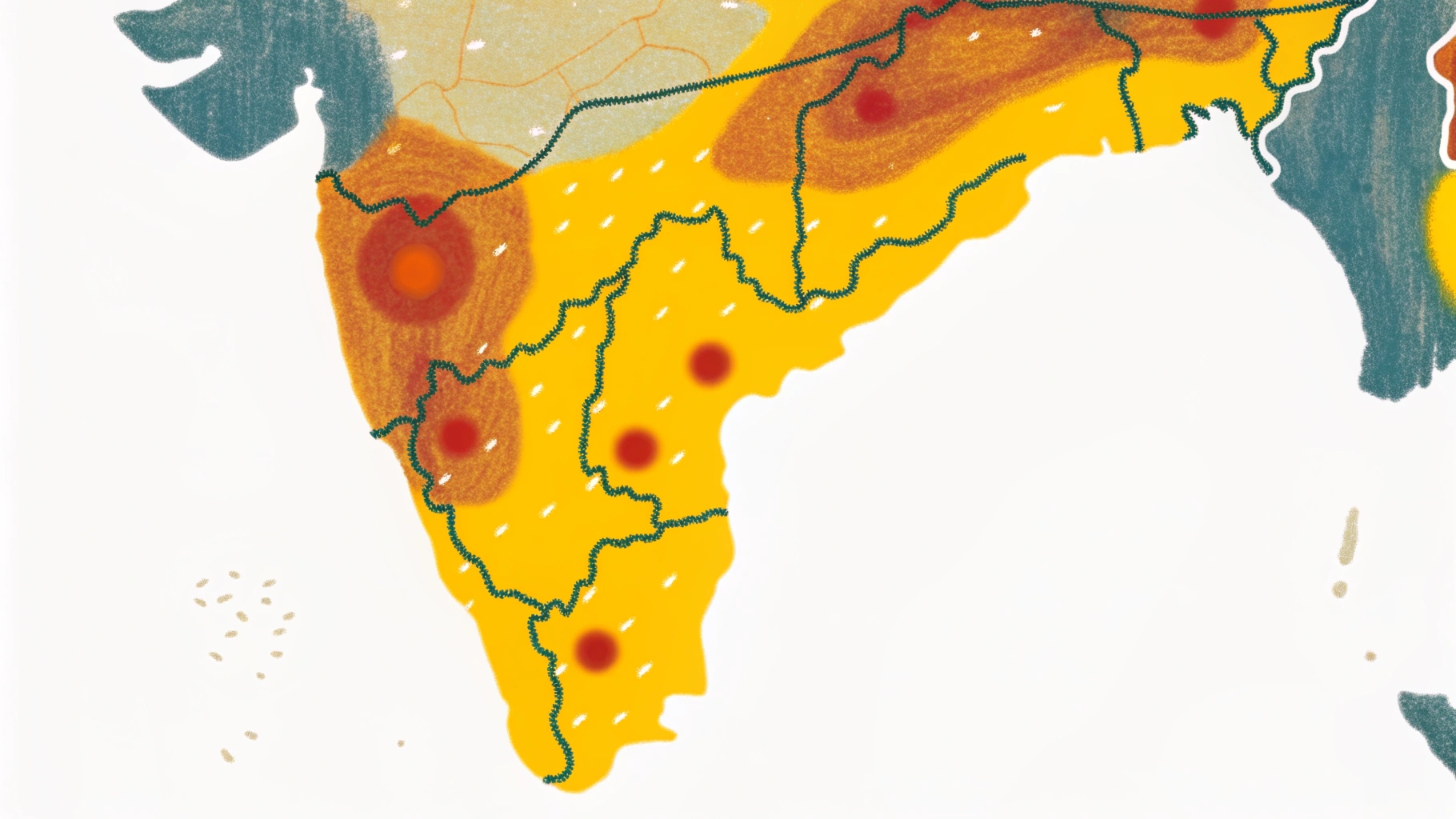
IMD warned that severe heatwave conditions would continue across Delhi, Punjab, Haryana, Uttar Pradesh, Rajasthan, Madhya Pradesh and parts of Andhra Pradesh. The department also warned of dangerous '' conditions where temperatures remain abnormally high even after sunset.
The warning covers Delhi, Punjab, Haryana, Uttar Pradesh, Rajasthan, Madhya Pradesh and parts of Andhra Pradesh. These areas are expected to face prolonged severe heat, along with dangerous warm nights that make recovery harder.
It means temperatures may stay unusually high after sunset instead of dropping enough for relief. That can increase health risks overnight, reduce sleep quality and leave people more vulnerable to heat illness the next day.
Because both contribute to heat stress, but warm nights are especially dangerous when they stop the body from cooling. Combined warnings help officials and residents prepare for longer exposure rather than just a few hot afternoon hours.
India’s electricity demand crossed for the first time as households and businesses massively increased cooling usage during the ongoing heatwave. Some regions also reported , highlighting stress on the electricity grid.
The heatwave pushed households and businesses to use far more cooling, especially fans and air conditioners, which drove demand to a record level. When many places need power for cooling at the same time, the grid has to supply much more electricity than usual.
They suggest the grid is under heavy strain and may struggle in some areas when cooling demand spikes quickly. Even if national supply is available, local lines, transformers or distribution networks can still become overloaded and trigger outages.
Demand could stay near record levels, which may keep pressure on the grid and raise the chance of outages in vulnerable areas. Utilities may need to rely more on backup generation and demand management to keep supply stable.
Delhi recorded a minimum temperature of nearly 32°C overnight, making it the warmest May night in almost 14 years. The unusually high nighttime temperatures became a major concern because they prevent the human body from recovering from daytime heat stress.
High nighttime temperatures stop the body from cooling down after daytime heat, so heat stress can build up over multiple days. That raises the risk of dehydration, heat exhaustion and heatstroke, especially for older adults, children and people without reliable cooling.
It means the usual overnight recovery from daytime heat may not happen. People may feel exhausted for longer, sleep poorly and face higher health risks, especially if homes stay hot through the night or if power cuts limit fans or air conditioning.
Parts of Delhi recorded temperatures above 46°C while extended across . Weather officials warned that northwestern and central India would continue facing severe heat conditions for several more days.
It meant weather officials expected dangerous heat to continue, with conditions serious enough to require extra caution. Orange alerts usually signal a high-risk situation for health, outdoor work and travel, especially for older adults, children and people without cooling.
At those levels, the body can struggle to cool itself, and heat illness can develop quickly with prolonged exposure. The risk is even higher for people working outdoors, commuting, or living in homes without reliable cooling or water.
Weather officials said northwestern and central India would keep facing severe heat for several more days. That suggests the event was not a one-day spike but part of a longer hot spell, which increases health risks and keeps electricity demand elevated.
India’s peak power demand crossed as severe heatwave conditions spread across multiple states. Punjab, Haryana, Delhi, Rajasthan and Uttar Pradesh saw temperatures approach or exceed 45°C, while cooling demand sharply increased across cities.
Severe heat across multiple states drove up cooling needs at the same time. When temperatures stay near or above 45°C, more people rely on air conditioning, fans and cold storage, which quickly lifts peak electricity use across cities and towns.
Punjab, Haryana, Delhi, Rajasthan and Uttar Pradesh were among the worst affected, with temperatures approaching or crossing 45°C. Those areas saw especially heavy strain because hot conditions were widespread rather than limited to one or two cities.
Peak-demand records matter because they test whether the power system can supply enough electricity at the same time to millions of users. When the peak gets too high, the risk of local shortages, outages and emergency power measures rises.
As temperatures kept rising, India ramped up to prevent power shortages. Officials warned that electricity demand could continue climbing toward as the hottest part of summer approached.
Officials were trying to avoid power shortages as heat pushed electricity use higher. Coal and gas plants can be ramped up relatively quickly, so they are often used to meet short-term spikes in demand when the grid is under pressure.
It means power demand was expected to keep climbing toward a very high summer peak. If demand reaches that level, the system needs enough generation, transmission and reserves to prevent outages during the hottest hours of the day.
Households, hospitals, businesses and factories all feel the impact if supply gets tight. The biggest risk is in places where cooling demand is highest, because even brief interruptions can affect health, work and essential services during extreme heat.
The warned that many states would experience more than normal during May 2026. Forecasts suggested above-average temperatures across northwestern, central and eastern India, raising concerns about health risks and electricity shortages.
It signaled that several states were likely to see more heatwave days than usual, not just a short hot spell. That matters because it gives officials and households less room to prepare for prolonged heat, higher health risks and heavier electricity demand.
The forecast pointed to above-average temperatures across northwestern, central and eastern India. Those regions are often hit hardest because hot, dry conditions can build for days at a time, increasing the chance of heat illness and power stress.
More heat usually means more cooling use, especially air conditioners, fans and refrigerators running for longer. If demand rises faster than supply, local outages or grid strain become more likely, especially in areas already facing very high daytime temperatures.
India’s peak power demand crossed for the first time as extreme temperatures drove massive use of air conditioners, coolers and fans. The demand spike came weeks earlier than expected, showing how quickly the heatwave was escalating.
Extreme temperatures pushed millions of people to use air conditioners, coolers and fans at the same time. That kind of cooling demand can lift national electricity use very quickly, especially during hot afternoons and evenings.
It shows the heat was intensifying faster than expected. Reaching a new peak weeks early means the summer’s strain on the power system arrived sooner than planners had anticipated.
It signals wider stress across daily life, because electricity is needed for cooling, work, transport and basic services. If demand keeps rising, it can lead to tighter supply conditions and greater pressure on utilities to keep the grid stable.
Delhi recorded temperatures above 42°C while warned of continuing across north and central India. Several states including Rajasthan, Haryana, Punjab and Uttar Pradesh began seeing prolonged extreme heat conditions with little immediate relief forecast.
Temperatures rose above 42°C in Delhi and similar extreme heat spread across several nearby states. The main change was that the hot conditions became more widespread and persistent, with no quick relief in sight.
A single hot day is difficult, but several days of extreme heat can build up stress on the body, the power grid and daily routines. Longer heatwaves also raise the risk of heat illness and increase electricity use for cooling.
Rajasthan, Haryana, Punjab and Uttar Pradesh were among the states seeing prolonged extreme heat. These areas faced the same broad weather pattern as Delhi, with little immediate cooling expected.
India’s electricity demand surged unusually early in the summer season as heatwave conditions intensified across northern and central India. Peak demand crossed , far earlier than normal seasonal peaks, signalling that the 2026 summer could become one of the country’s most energy-intensive periods.
The heatwave arrived earlier than normal and pushed up cooling needs across northern and central India. When temperatures climb quickly, people switch on air conditioners, coolers and fans sooner, which lifts demand before the usual summer peak.
It suggests the 2026 summer could be more energy intensive than usual and that the system is already under heavy strain. An early peak can also mean utilities have less time to prepare for even higher demand later in the season.
The pressure is coming mainly from northern and central India, where heatwave conditions intensified first. Those regions tend to see sharp rises in cooling demand when temperatures stay high for several days.
The said India should prepare for peak electricity demand of during summer 2026. Officials warned that rising temperatures and growing AC usage could heavily strain electricity infrastructure across the country during .
They expect hotter weather and more air conditioner use to push power demand much higher than usual. Heatwaves usually drive the biggest spikes because homes, offices and businesses all need cooling at the same time.
It means India’s electricity network may have to supply one of its highest summer loads ever. That can strain generation, transmission and local distribution systems, especially if demand rises quickly during extreme heat.
Households and businesses in the hottest parts of the country are most exposed, especially where cooling use is rising fast. If supply gets tight, utilities may struggle to keep power stable during peak hours.