
World
EXILE Act Seeks to End H-1B Program by 2027
Bill targets program as cheap labor tool and security risk, gaining support amid Trump's crackdown on skilled immigration.
Bill targets program as cheap labor tool and security risk, gaining support amid Trump's crackdown on skilled immigration.
The , created to fill U.S. skill gaps in tech and science, faces a fierce crackdown under Trump's second term. Policies like a , , and aim to stop companies from undercutting American workers with cheaper foreign labor. Tech giants have slashed applications amid layoffs and higher costs, while bills seek to freeze or end the program entirely. This pits job protection against industry needs for global talent. At stake are innovation, wage growth, and U.S. competitiveness in AI and engineering.
Policies extend crackdown to , , and other categories, with heightened audits and remote work bans. materialize, including employer penalties and worksite verifications. This holistic approach redefines business operations, boosting domestic hiring in states like Ohio. Affected workers face uncertainty, prompting legal challenges and global talent shifts.
Fiscal year 2026 sees , a sharp drop from prior years, due to and policy fears. Trump's immigration stance, combined with fees and scrutiny, deters applicants, . The decline signals the program's contraction, forcing employers to rethink strategies. It underscores the crackdown's success in curbing demand but raises innovation concerns.
The '' emerges as a comprehensive bill to restructure the program, imposing permanent high fees, wage mandates, and bans on outsourcing. It builds on EXILE by adding social media screening, elimination, and . Implications include massive drops in applications and a pivot to U.S. talent pools. Lawmakers debate its role in Trump's vision for skilled immigration overhaul.
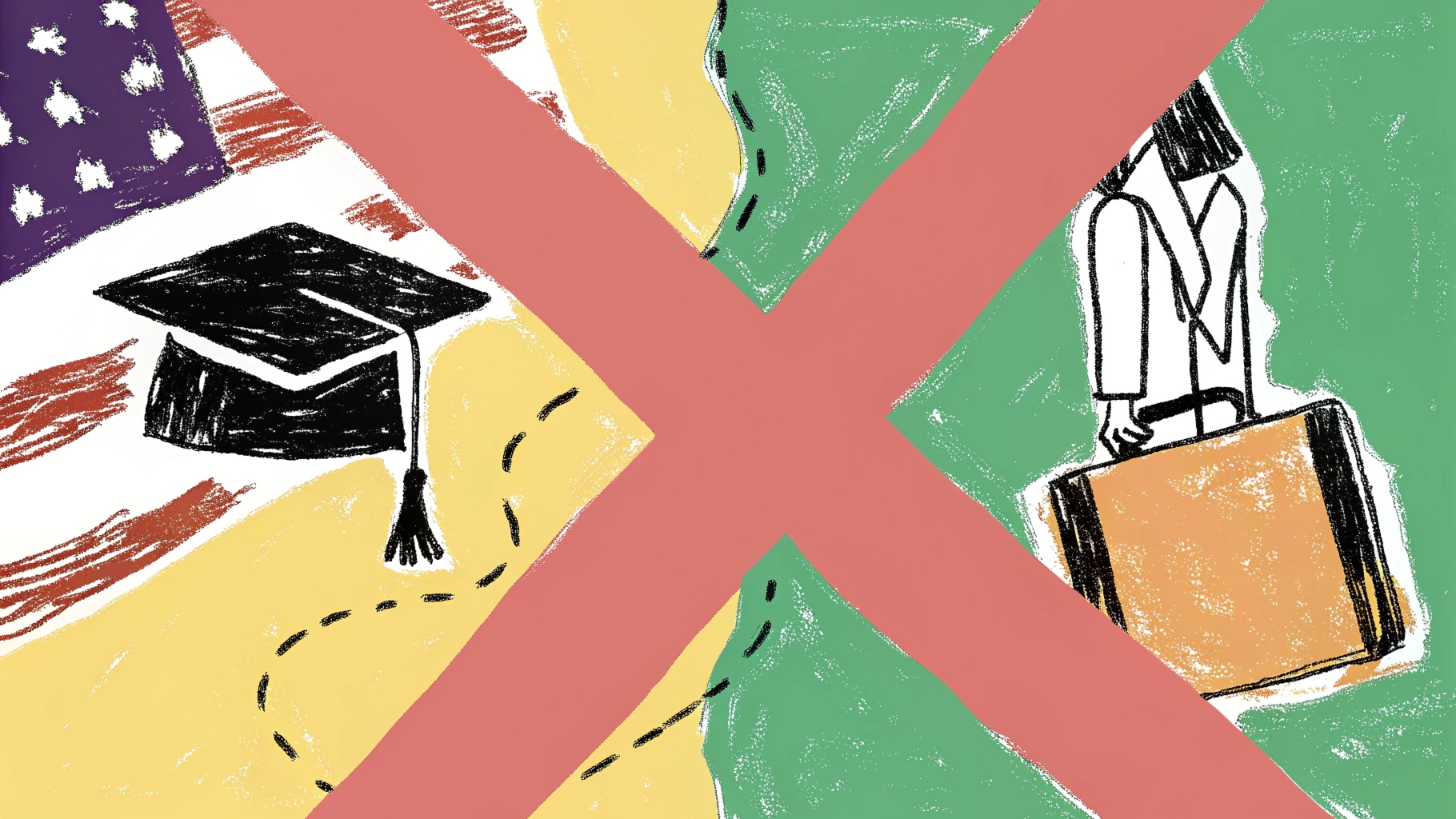
Republican Congressman Greg Steube introduces the (Ending Exploitative Imported Labor Exemptions Act) to terminate the H-1B program by 2027. Labeling it a and tool for cheap labor, the bill seeks major immigration law changes amid Trump's policies. It gains traction with but faces tech industry opposition. The proposal amplifies calls for ending visa abuse entirely.
Fraud Detection and National Security () escalates , doubling in frequency since late 2025, targeting H-1B compliance. Audits cover third-party clients, wage adherence, employee interviews, and remote setups, with full corporate reviews. like Intel and GE Aerospace report heightened scrutiny, disrupting operations. The push uncovers violations and reinforces the crackdown's goal of genuine employment verification.
New regulations overhaul the , prioritizing higher wage levels, U.S. degrees, and critical industries over random selection. Stricter ensure foreign hires do not undercut Americans, building on the fee hike. and remote work face new limits, with enhanced documentation checks. This reform aims to end abuse while targeting genuine skill shortages, though it slows approvals significantly.
Trump signs the proclamation enacting the $100,000 , with immediate enforcement protocols and limited grace periods for existing petitions. Combined with , it limits H-1B use by raising costs and requiring proof of higher salaries for approvals. Employers in face tough choices, accelerating shifts to domestic hiring. The policy ignites debates on balancing economic growth with worker protections.
Trump plans to sign a proclamation imposing a on all H-1B petitions, as reported by Bloomberg, to deter overuse and fund enforcement. This dramatic hike, part of a wider crackdown, aims to restrict the program unless employers pay the steep cost, alongside . The policy could reshape recruitment, pushing companies toward U.S. workers amid . Critics decry it as a barrier to global talent, while proponents see it as protecting American paychecks.
Trump's second inauguration marks the start of sweeping immigration policies, targeting legal pathways like H-1B to prioritize . Early executive actions ramp up enforcement, echoing first-term tactics with and higher denial risks. The move aligns with broader goals to reduce reliance on foreign labor in tech, manufacturing, and healthcare. Businesses brace for changes, with particularly vulnerable.
Trump secures a second term, campaigning on expanded immigration restrictions, including ending H-1B abuse and protecting American jobs. His victory renews focus on , a blueprint advocating cuts to legal skilled immigration, , and employer penalties. Supporters hail it as a defense against , while tech firms warn of innovation setbacks. The administration signals immediate action on visa overhauls post-inauguration.
During Trump's first administration, USCIS implements , causing H-1B denial rates to surge to 15%, per Pew Research Center data. Rules narrow eligibility to highly specific degrees and restrict , leading to more and delays. This crackdown affects thousands of applicants, particularly from India, and demonstrates Trump's willingness to tighten skilled immigration. Employers face increased compliance burdens, prompting adjustments in hiring practices.
Donald Trump wins the 2016 presidential election on a platform emphasizing , including strict limits on both illegal and legal immigration. He criticizes H-1B visas as a tool for companies to and jobs, vowing to prioritize American workers. This stance sets the stage for his first-term reforms, foreshadowing even tougher measures in a potential second term. Tech industry leaders express concerns over potential disruptions to .
The H-1B visa program launches under the Immigration Act of 1990, allowing U.S. companies to hire foreign workers in requiring at least a bachelor's degree. It sets an annual cap of 65,000 visas, later expanded, with a for oversubscribed applications. Designed to fill in tech and other sectors, it becomes a key pathway for skilled immigrants, especially from India and China. Over time, critics argue it enables corporations to hire cheaper foreign labor, displacing American workers.