
Gen Z regelt calls new German protests after clashes
Youth demands now face scrutiny over who controls public safety
Overview
Germany’s youth-led movement drew tens of thousands of people into the streets of 34 cities on October 31. They called for more money for schools and health care, lower-cost homes, action on climate change and help with rising prices. They also opposed , increased military spending and wider .
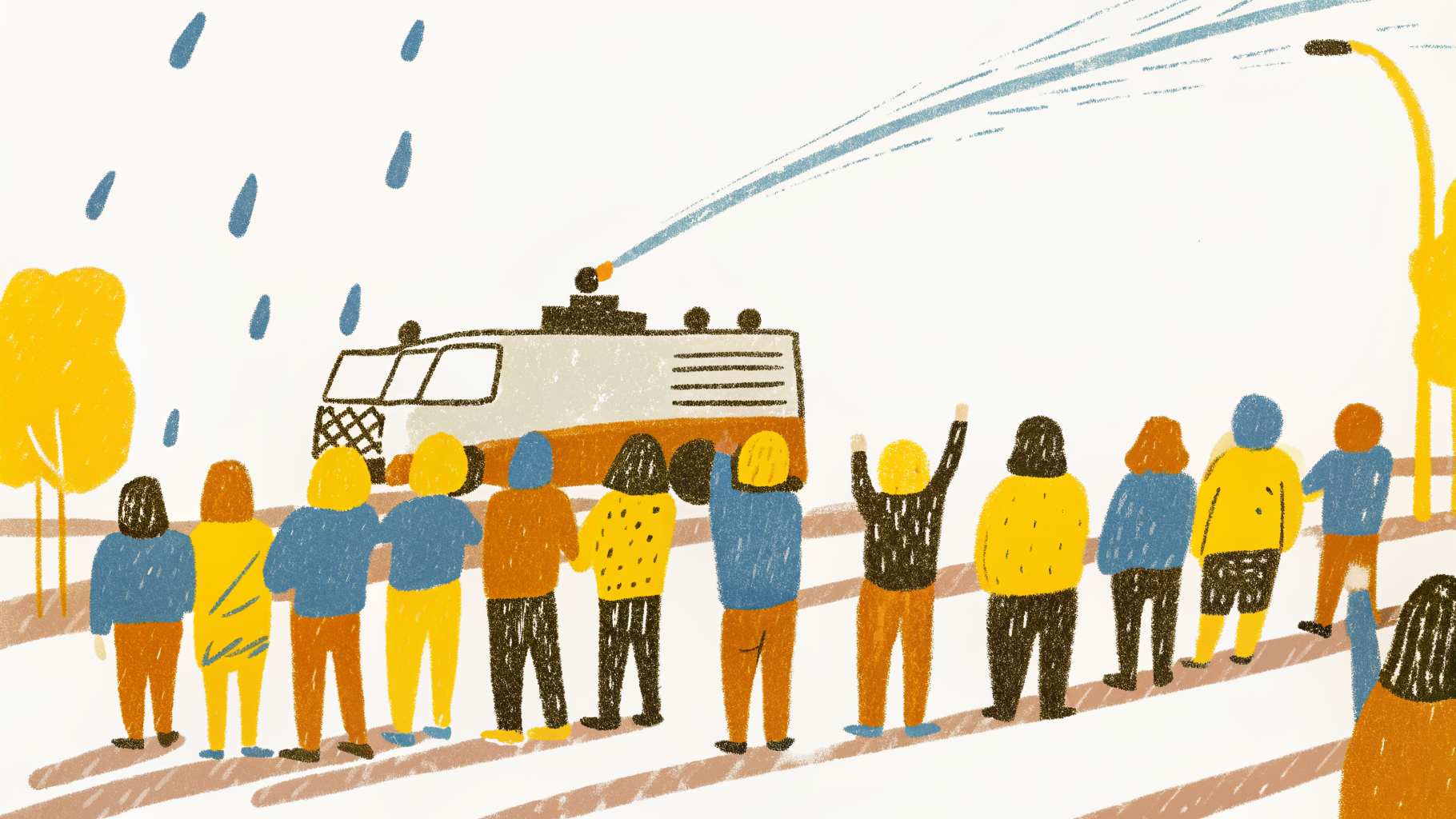
Most marches in Berlin, Frankfurt, Munich and other cities stayed peaceful. Later, masked groups in Frankfurt looted shops, damaged property and attacked police. Police used and pepper spray. Berlin, Cologne and Hamburg also reported clashes or unrest. Organisers condemned the violence, while officials blamed extremist groups. They said the violence was separate from the movement’s broader demands. Protests planned for November 14 will test whether the movement can keep public support while protecting its reputation and public safety.
Timeline
Gen Z regelt announced November 14 follow-up demonstrations
Despite the violence, the group called for new demonstrations later in November. The planned November 14 rallies will test whether the movement can retain broad participation while preventing violent groups from dominating coverage. They also leave authorities facing renewed questions about policing, public safety and protest coordination.
Gen Z regelt condemned the violence and separated it from its demonstrations
The organizing group distanced itself from the looting and clashes, saying it had no influence over what happened after the demonstrations. Police likewise distinguished the largely peaceful rallies from the later actions of violent groups. The separation became central to questions about the movement's legitimacy and its ability to control future events.
Police attributed the violence to extremist groups exploiting the protests
Police said violent groups had used the nationwide demonstrations as cover for rioting and attacks. Officers reported injuries, smashed storefronts and attempts to loot shops, while police operations included dispersals and . The response shifted the public focus from the movement's demands to security and accountability.
Clashes and property damage spread to Berlin, Cologne, Hamburg and other cities
Reports also described unrest beyond Frankfurt, including clashes or confrontations in Berlin, Cologne and Hamburg. Police intervened as groups threw objects, set barricades alight or refused to leave areas after demonstrations. These incidents remained distinct from the larger marches, which authorities generally characterized as peaceful.
Masked groups looted Frankfurt shops and attacked police after the rally
Violence escalated in central Frankfurt after the demonstration, with masked groups smashing shop windows, looting stores and damaging property. Police reported stones, fireworks and thrown at officers and emergency services. Authorities used and pepper spray while trying to regain control.
Most October 31 demonstrations remained peaceful before evening clashes
Police and media reports described the daytime marches as largely peaceful, despite their size and national reach. The broad demonstrations kept attention on the movement's social, economic and climate demands. Disorder later emerged in separate incidents after some gatherings were broken up or participants refused to disperse.
Gen Z regelt brought its demands to rallies in 34 German cities
Tens of thousands joined demonstrations across Germany, with major rallies in Berlin, Frankfurt, Munich and other cities. Organizers called for better-funded education and health services, affordable living conditions, climate action and relief from rising costs. The campaign also rejected a return to compulsory military service.
Gen Z regelt turned youth grievances into a nationwide protest movement
The campaign group organized demonstrations around underfunded schools, strained health and social services, climate protection, housing and rising living costs. It also opposed , higher military spending and expanded . The group scheduled rallies in 34 German cities, including Berlin, Frankfurt and Munich.