
France reports first human Shamonda infection after midge exposure
The isolated spillover tests whether insect-borne animal viruses threaten immunocompromised patients, although officials see no wider public risk.
Overview
France has reported the first known human infection with . The virus had only been found in animals before. The patient had a severely weakened immune system and was being treated for another serious illness at a Lyon hospital. The patient developed brain and nerve problems and died in early October. Investigators suspect a spread the virus through a bite in eastern France, where it infected livestock in spring and summer 2026. They do not know whether the virus caused or helped cause the death.
France has told the , and other partners. Officials currently see no known risk to the public because there is one known case and no evidence that people can spread the virus to one another. Investigators are checking whether the patient’s weak immune system was necessary for infection, whether midges can infect people, and whether more cases exist.
Timeline
Investigators continue examining human susceptibility, vector transmission and additional cases
The outstanding questions include whether the can be confirmed and whether severe immunosuppression was necessary for infection. Authorities are also assessing whether other human infections exist and whether should expand. The current status remains one confirmed human infection, an unresolved death investigation and no identified general-public risk.
French authorities report no identified risk to the general public
French authorities said no health risk to the general population had been identified at that stage. Their assessment reflected the single known case, the patient’s severe immunocompromised condition, the suspected insect-bite route and the absence of established evidence of . Investigations and monitoring continued.
ECDC begins assessing whether the spillover has broader public-health implications
ECDC began monitoring the case and supporting investigations into transmission and potential . Authorities were assessing whether the infection represented an isolated associated with severe immunosuppression or evidence of a wider concern. No additional human cases had been identified in the available reporting.
France notifies international health bodies about the human case
France informed the , the World Health Organization and European partners about the infection. The notification initiated wider assessment of how the patient acquired the virus and what the case could mean for public health. ECDC said it was in contact with French authorities and partners.
France reports the first human Shamonda infection
French authorities publicly announced the first documented and reported human Shamonda infection. They described the case as exceptional because it occurred in a severely immunocompromised patient previously treated for another serious illness. remained ongoing.
French authorities identify a Culicoides midge bite as the leading transmission hypothesis
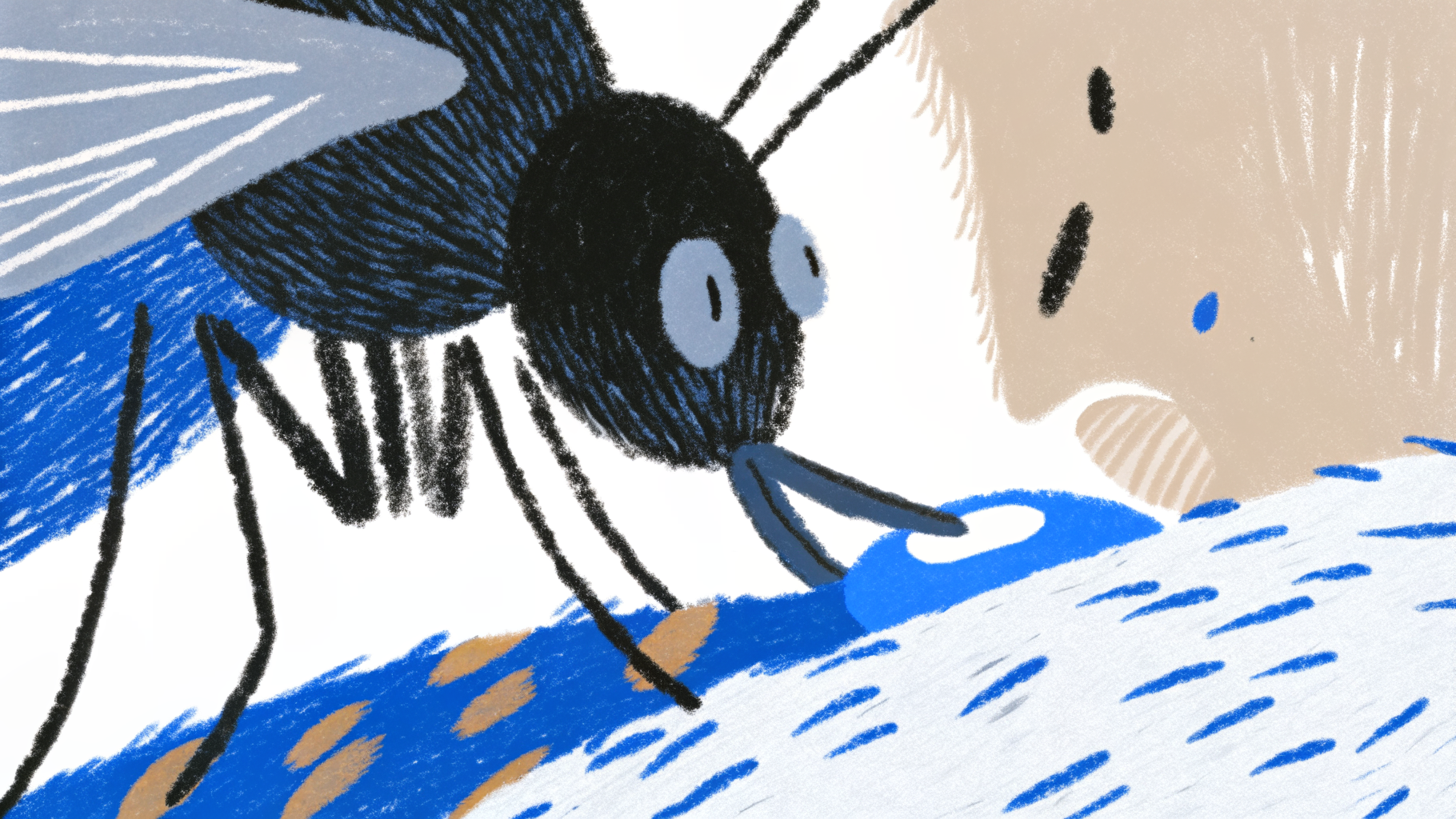
French health and agriculture authorities said the patient was thought to have acquired Shamonda through a bite from a in eastern France. The region had reported animal virus circulation during spring and summer 2026. The route remained an under investigation, not a confirmed reconstruction of transmission.
The Shamonda-infected patient dies while investigators assess the cause
The patient died in early October after receiving treatment for a serious . French and European authorities continued investigating whether Shamonda caused or contributed to the death. The patient’s underlying condition remained an important part of the clinical assessment.
The infected patient develops neurological complications before death
The patient experienced cerebral or other before dying. Preliminary French investigations assessed that these complications were very likely linked to the Shamonda infection. That assessment remained preliminary and did not by itself establish that Shamonda caused the patient’s death.
A severely immunocompromised patient in Lyon is found infected with Shamonda virus
A patient receiving treatment for another serious illness at a Lyon hospital was found to have Shamonda virus infection. The patient had , which authorities said could increase susceptibility to infection and complications. The finding became the first documented and reported detection of Shamonda in a human.
Shamonda virus circulation is detected among animals in eastern France
French authorities detected in animals in eastern France during spring 2026. The virus continued circulating among livestock through the summer, creating the exposure setting for the later human infection. Until then, Shamonda had been identified in animals but had not been documented in humans.