
Nationwide France protests leave more than 500 police injured
Government faces demands to restore services while containing violence.
Overview
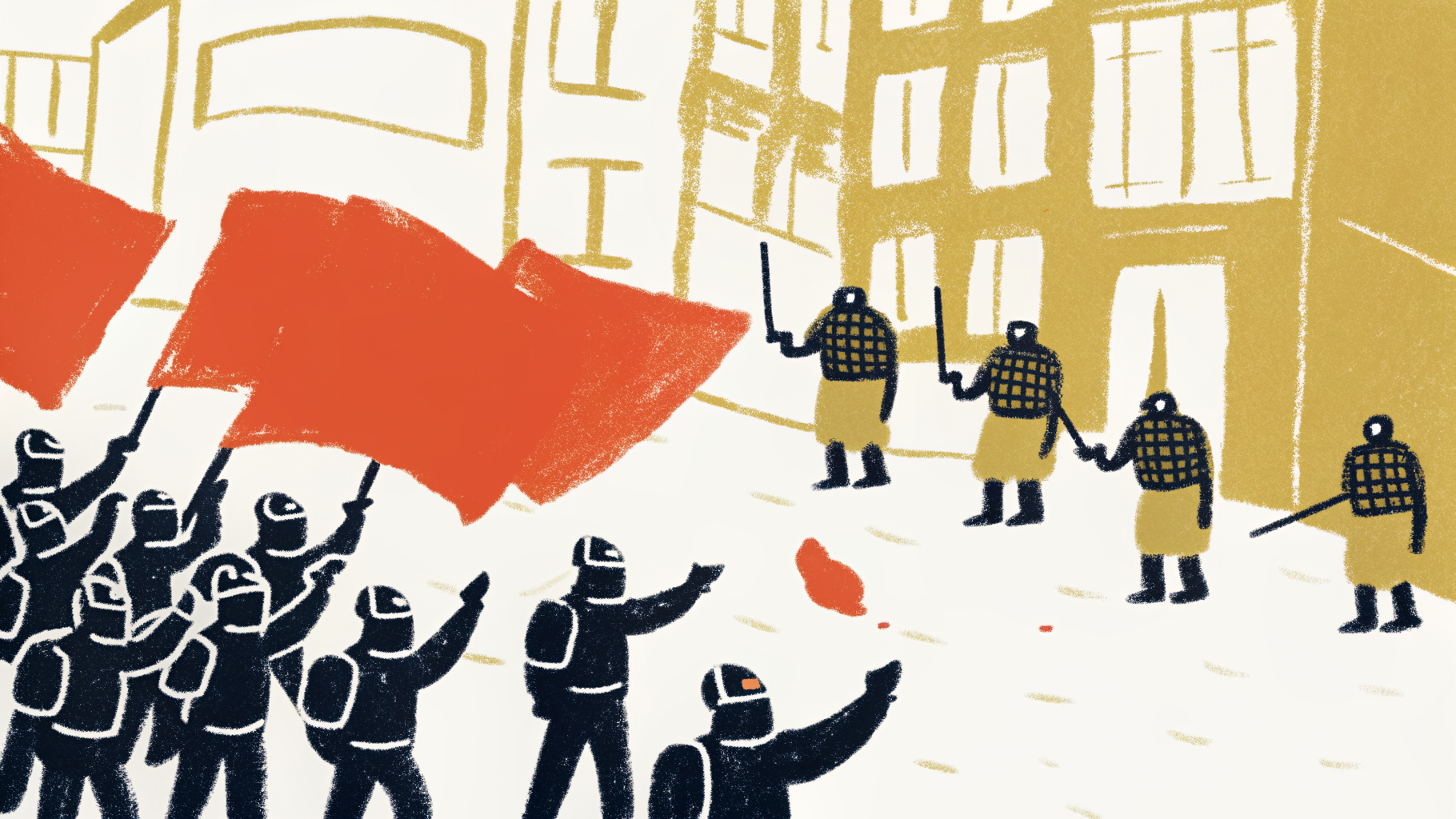
France’s nationwide protests brought together students, and angry about rising living costs, weaker buying power, poor public services and worsening schools. The counted 550,000 people at 110 protests, including 110,000 in Paris. Organizers estimated nearly 800,000. Unrest spread to Marseille, Lyon, Lille, Rennes, Toulouse and other cities. Most marches were peaceful, but masked groups fought police, set fires, looted shops and attacked public buildings. Arrests rose from about 400 to 1,200, with later reports of up to 1,800 people detained. More than 500 police, and firefighters were reportedly hurt. Protesters were also injured, including one who lost a hand when a exploded. Emmanuel Macron condemned the violence, while Prime Minister Sébastien Lecornu supported a tougher police response. The government must now punish attackers while responding to the economic and public-service problems driving the protests.
Timeline
The government faces pressure to combine prosecutions with action on living costs and public services
The immediate response centered on arrests, investigations and policing after the clashes, looting and fires. At the same time, the movement's underlying demands remained focused on , fuel costs, public services and school conditions. The competing turnout figures and plans for further mobilization left Macron and Lecornu facing a between tougher , negotiations and concrete economic or education concessions.
Macron condemns attacks and promises prosecution as Lecornu defends the security response
President Emmanuel Macron said there was no place for violence and condemned attacks on government buildings, businesses and people. He said those responsible would be and punished. Prime Minister Sébastien Lecornu described the violence as unacceptable and announced the higher arrest total while authorities continued responding to unrest across the country.
Authorities report hundreds of arrests and injuries as clashes intensify
Early figures put arrests at about 400, while later reports cited roughly 1,200 detained and, in some accounts, as many as 1,800 arrests nationwide. Officials reported injuries to more than 500 police officers, and firefighters, while protesters were also hurt. A protester in Saint-Etienne reportedly suffered a severe hand injury after a exploded.
Looters target businesses and public buildings as unrest spreads through major cities
Reports described shops being looted in Paris, Marseille, Nice, Bordeaux and Lille, including an Apple store in Lille. In Marseille, masked intruders entered the city hall amid broader and violence. Attacks on businesses, and police shifted the government's focus from protest demands toward restoring .
Clashes and fires disrupt otherwise peaceful marches in Paris and other cities
Masked protesters clashed with police in Paris and several other cities, with officers using , and other measures after and fireworks were thrown. Fires were reported, including at a tourist office, while incidents also occurred in Marseille, Lyon, Lille, Rennes, Toulouse and other urban centers. The violence affected parts of the mobilization, but did not describe every march or participant.
Hundreds of thousands march across France over living costs and public services
About 550,000 people joined 110 demonstrations nationwide, including approximately 110,000 in Paris, according to Interior Minister Laurent Nuñez. The union estimated participation at roughly 800,000. Marchers cited rising prices, , weak public services and worsening school conditions, while many demonstrations remained peaceful.
French authorities prepare for nationwide disruption as protesters plan marches beyond Paris
French authorities prepared for nationwide demonstrations over living costs and public services, with police making early arrests and restricting rallies around key Paris locations including the and government offices.
Yellow Vest activists, students and unions announce coordinated protests across France
organizers called for nationwide demonstrations over rising living costs, fuel prices and declining . Student protesters, teachers, parents, workers, farmers, retirees and joined or backed the mobilization. Organizers announced roughly 1,000 planned actions, signaling that the protests would extend well beyond Paris.
High-school students turn school shortages into a broader protest movement
Student protests over teacher shortages, crowded classrooms and run-down school facilities began in September and spread across France, later connecting with broader demonstrations over , and public services.