
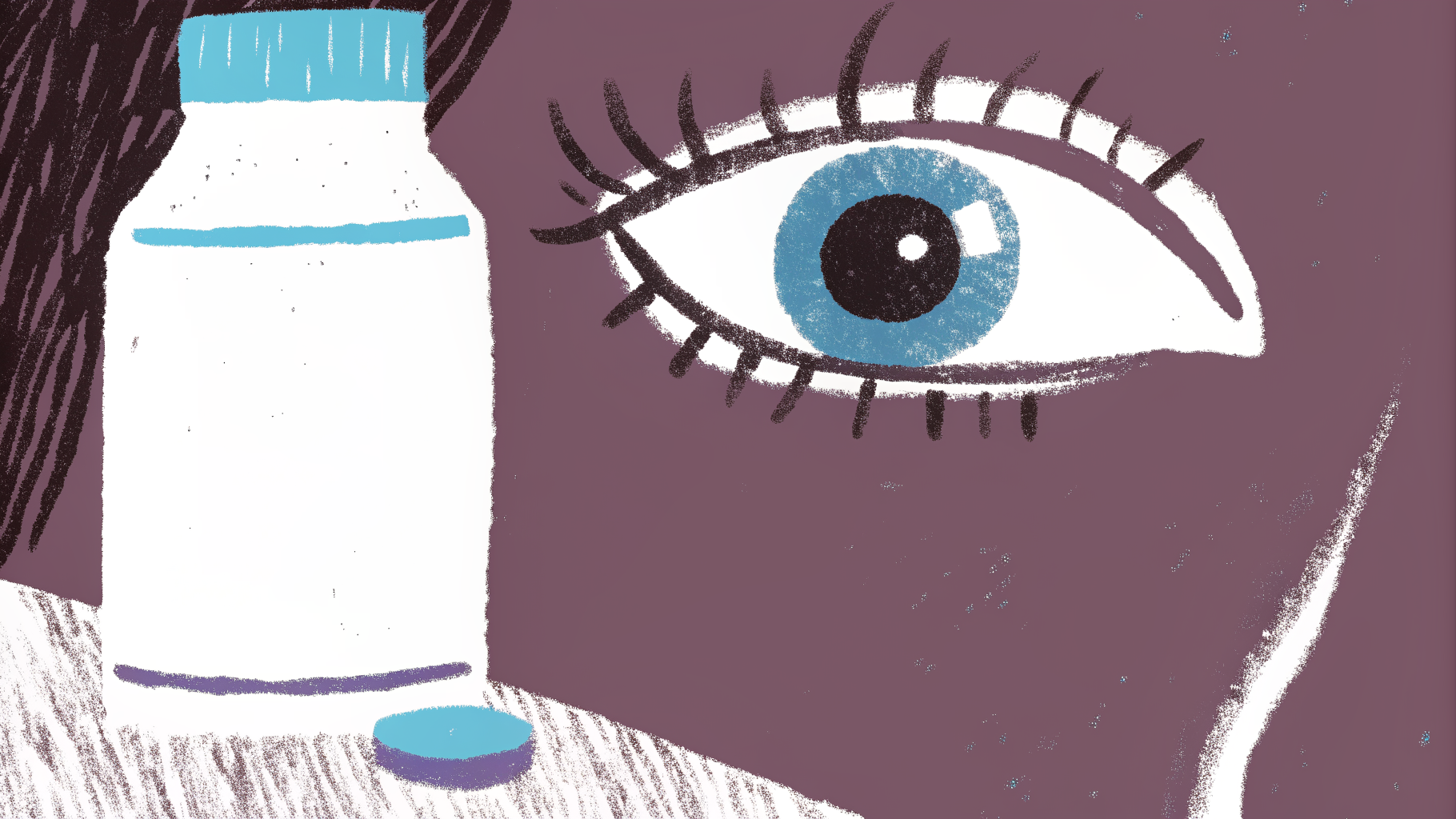
FDA adds rare permanent vision-loss warning to all GLP-1 drugs
Millions now weigh proven benefits against a newly recognized eye risk.
Overview
Millions of people taking now face a newly highlighted but very rare risk of vision loss. On November 9, 2026, the FDA required makers of Ozempic, Wegovy, Mounjaro, Zepbound and other marketed GLP-1 drugs to add to their labels’ . can cause sudden, painless vision loss in one eye, and the damage may be permanent.
The concern began with a 2024 study that found a possible link between , used in Ozempic and Wegovy, and . The study did not prove the drug caused the problem, but it led to a wider review. The FDA examined 126 trials involving more than 134,000 people and found 15 probable cases. The estimated rate was 6.4 cases per 100,000 GLP-1 users, compared with 3.8 in comparison groups. The risk is far smaller than common side effects. Anyone with sudden vision changes should seek prompt medical care and should not stop treatment without advice.
Timeline
FDA advises prompt evaluation for sudden vision changes in GLP-1 users
The FDA said patients taking GLP-1 receptor agonists should contact a healthcare professional right away for sudden, painless vision loss or other visual disturbances in one eye, which may indicate NAION and can result in permanent vision loss. Patients should discuss treatment decisions with a clinician; the FDA advises considering if NAION is suspected unless treatment benefits clearly outweigh the risk.
The FDA required all marketed GLP-1 agonists to add NAION warnings and precautions
The FDA required manufacturers to add information about the potential increased risk of NAION to the of labels for marketed GLP-1 receptor agonists. The action covers Ozempic, Wegovy, Mounjaro, Zepbound and other medicines, including older products such as Victoza, Trulicity, Saxenda, Rybelsus and Soliqua. The decision changed labeling and risk communication, not the approval status of the medicines.
The FDA estimated 6.4 NAION cases per 100,000 GLP-1-treated patients versus 3.8 in comparison groups
The FDA's analysis estimated 6.4 NAION cases per 100,000 among GLP-1-treated patients, compared with 3.8 cases per 100,000 among patients receiving placebo or other glucose-lowering medicines. The difference supported a possible increased risk, while the low absolute rates showed that NAION remains rare. Common GLP-1 side effects occur far more frequently than this potential eye complication.
The FDA found a possible NAION signal after reviewing 126 GLP-1 clinical trials
The FDA reviewed 126 involving 134,253 patients and identified 15 probable NAION cases. Ten cases occurred among GLP-1 users, while five occurred in , and no cases were reported among patients receiving other non-GLP-1 glucose-lowering medicines. The agency described the evidence as a potential increased risk, not proof of common or certain harm.
Additional reports broadened the safety question from semaglutide to GLP-1 medicines
Reports of possible NAION cases involving marketed expanded the concern beyond semaglutide alone. The question became whether the signal reflected a potential class-wide risk rather than an isolated finding tied only to Ozempic and Wegovy. Regulators continued evaluating the rare eye condition alongside the medicines' established benefits.
Researchers linked semaglutide use to a higher observed risk of NAION
A 2024 reported an association between semaglutide, the active ingredient in Ozempic and Wegovy, and , or NAION. The finding did not prove that semaglutide caused the condition, but it prompted further regulatory evaluation. NAION involves reduced blood flow to the optic nerve and can cause sudden, painless vision loss in one eye.