
FAA blames router overload for nationwide ground stop
A contractor’s fiber upgrade overwhelmed FAA communications, stranding travelers while airlines rebuilt aircraft, crew and passenger schedules.
Overview
A routine upgrade at a remote site caused a nationwide aviation crisis. Contractor was replacing old copper lines with when a new router sent more than 1,000 connection requests every few seconds. Radar and communication failures spread across several . The then stopped all US departures for more than four hours on November 13. More than 8,000 flights were disrupted, leaving travelers stranded and breaking international connections through US airports.
The shut down the router, isolated the equipment and restarted the system. It later said service had fully returned. Airlines still had to move planes and crews, reopen gates and rebook passengers. That caused more cancellations and delays, with normal service expected Sunday night. The outage renewed ’s call for billions to replace old aviation technology. It also showed the risks of patching aging systems, while responsibility and modernization costs remain disputed.
Timeline
Transportation Secretary Sean Duffy called the ageing aviation network an emergency and sought more modernization funding
Duffy said the outage exposed the risks of relying on ageing aviation technology and urged Congress to provide substantially more money for modernization. He cited a previous $12.5 billion authorization, including $7.75 billion for , but said another $19 billion to $20 billion, or as much as $50 billion in emergency funding, might be needed.
The FAA said its systems had returned to full operation and projected airline recovery by Sunday night
FAA Administrator Bryan Bedford said the was stable and operating fully again. He said delays and cancellations would continue during the recovery, but airlines were expected to restore largely normal schedules by the close of business Sunday.
Airlines continued canceling and delaying flights as aircraft, crews and passengers remained out of position
Lifting the did not immediately restore normal airline schedules. Carriers still had to , find gates, rebook passengers and rebuild schedules around missed domestic and international connections. At least 3,000 additional flights were canceled on Saturday, while officials estimated 4,000 to 5,000 cancellations for the day.
The FAA isolated the affected equipment, took the router offline and restored system stability
Officials traced the failure to the remote work site and isolated the affected . Taking the equipment offline and restarting the system restored the affected FAA functions, and officials said there was no evidence of a cyberattack.
The ground stop disrupted more than 8,000 flights and stranded passengers across the United States
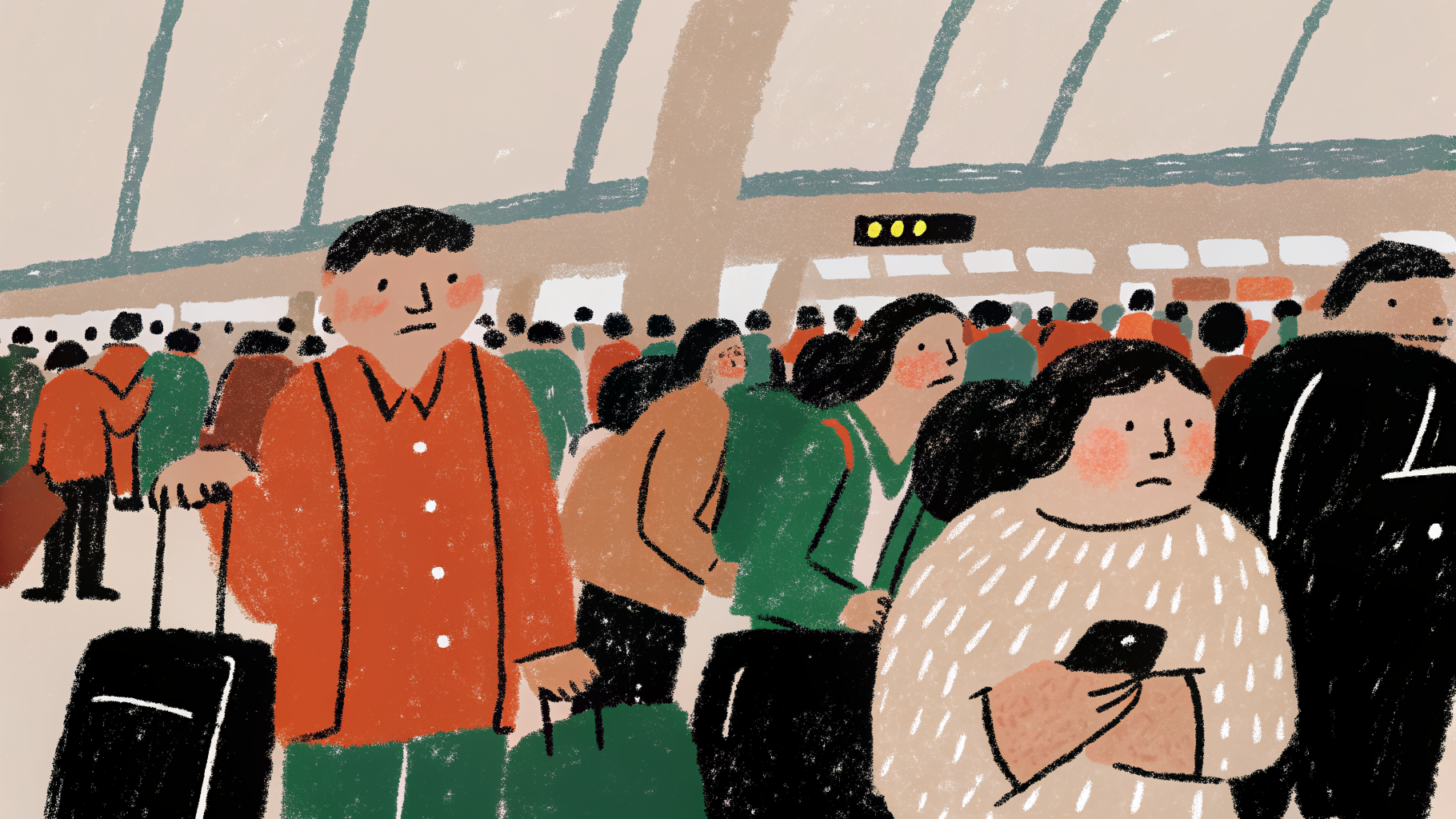
More than 8,000 flights were canceled or otherwise disrupted on Friday, with airports filling with stranded travelers and missed connections. The disruption also affected international passengers whose itineraries depended on connections through U.S. airports.
The FAA ordered a nationwide ground stop after the network failures disrupted flight control
The FAA halted departures nationwide on November 13 while officials worked to identify and contain the failure. The ground stop lasted more than four hours before being lifted at about 8:15 p.m. Eastern time.
Intermittent radar and communications failures spread across multiple FAA facilities
The network overload produced unstable communications and radar-feed problems across the air-traffic-control system. Failures reached multiple , turning a localized maintenance issue into a wider safety and capacity problem.
A newly installed router flooded connected FAA routers and disrupted air-traffic-control data
After the copper-to-fiber transition, a began generating more than 1,000 connection attempts every four to five seconds. The traffic overwhelmed other s and affected communications with aircraft and radar feeds. Officials said the trigger may have involved contractor error or faulty equipment.
L3Harris began replacing copper telecommunications lines with fiber at a remote FAA facility
The contractor was carrying out routine work to replace ageing analog copper lines with at a remote location. The upgrade involved telecommunications equipment connected to the wider air-traffic-control network.