
World
Europe's Heat Dome: Wildfires And Evacuations
How many lives will climate change cost as this multi-national emergency spreads east?
How many lives will climate change cost as this multi-national emergency spreads east?
A massive has triggered record-breaking temperatures exceeding 40°C across southern Europe, sparking widespread wildfires and forcing thousands of evacuations in Spain, Greece, France, and Portugal. This crisis illustrates how climate change is intensifying the frequency and severity of extreme weather events, turning a seasonal heatwave into a multi-national emergency. The story highlights the deadly human cost and national health warnings as governments struggle to manage work restrictions and deadly blazes.
By July 5, over 5,600 excess deaths were reported across Europe due to the severe heatwaves. This staggering figure highlights the deadly human cost of the expanding and the urgent need for enhanced .
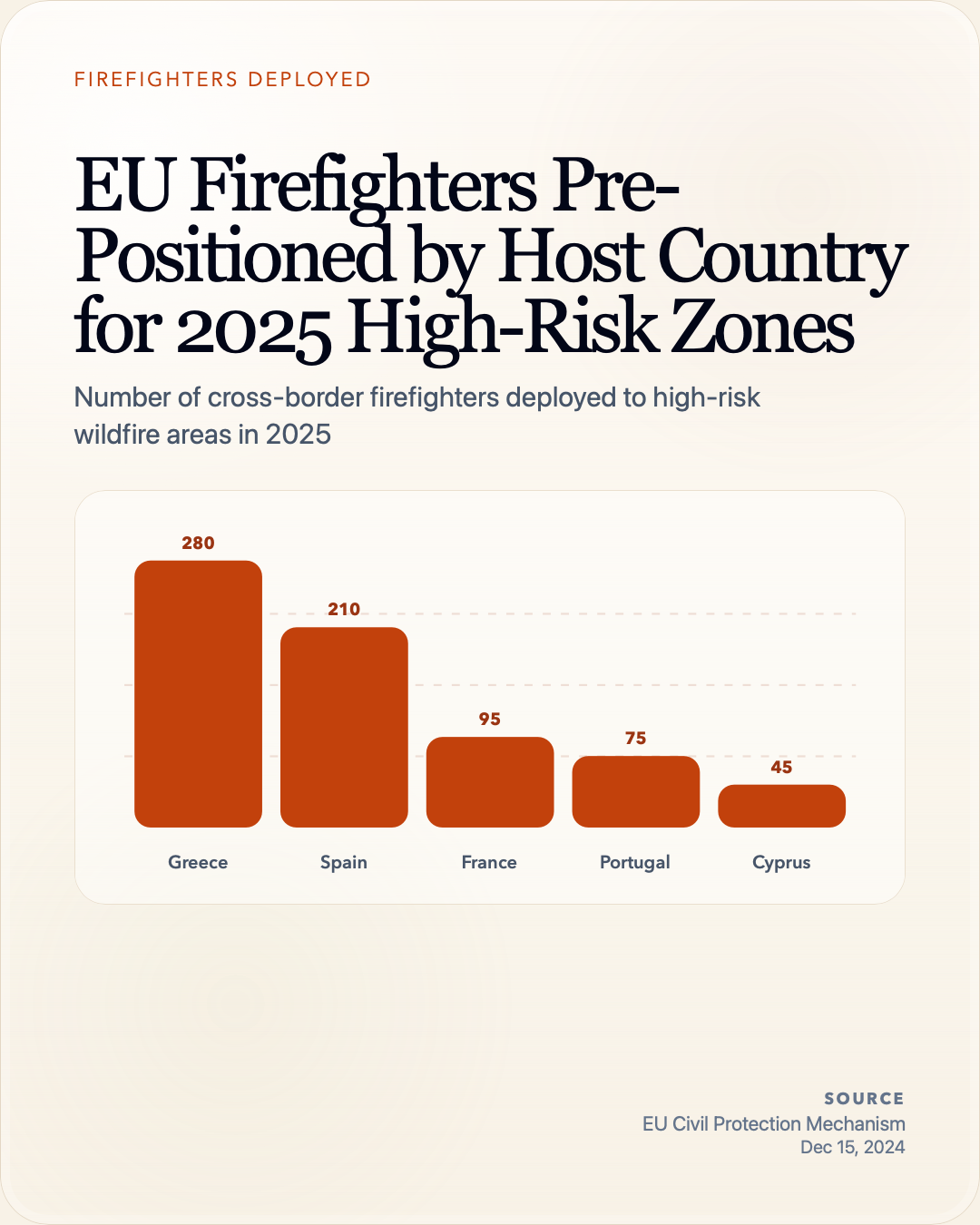
777 firefighters from 14 European countries were strategically pre-positioned in high-risk areas across Cyprus, Greece, Italy, France, and Spain. The debated strengthening its response and preparedness to protect people against recurring and upcoming wildfires.
As of early July, temperatures continued to soar beyond 40°C in Italy, Spain, and Greece. Officials issued new alerts for heightened , marking the current peak of the crisis with millions remaining under .
The extreme heat was not limited to Europe, as Canada and also broke temperature records. saw temperatures above 50°C leading to power outages, underscoring a global crisis of rising temperatures and extreme weather.
Experts from the and confirmed that every current heatwave has been exacerbated by climate change, making them hotter and more prevalent than in the pre-industrial era. This underscores how climate change is intensifying the frequency and severity of such extreme weather events.
As of July 3, the shifted eastward, with Germany, Italy, the Balkans, and Central Europe still experiencing temperatures above 40°C. The indicated excessive heatwave conditions were likely to persist into early July.
Turkey continued its fight against wildfires that led to the temporary evacuation of about 50,000 individuals from areas around and nearby provinces. Temperatures in the region also exceeded 40°C, while firefighters battled the blazes.
Authorities mandated evacuations on the island of in western Greece due to wildfires. Strong winds exacerbated the national fire risk as temperatures soared beyond 40°C, forcing residents to flee the island.
Early wildfires broke out near the Spanish border in France, affecting a quarter of the lower country and spreading along the . The fires were exacerbated by record-breaking heat, with farmers opting to work through the night to evade peak afternoon temperatures.
Several Italian regions, including Lazio and Tuscany, imposed bans on outdoor work during peak heat hours. were issued in 17 cities, including Milan and Rome, while unions linked the death of a construction worker near Bologna to the extreme heat.
issued the highest heat warning for most of southern France, anticipating temperatures over 40°C for two consecutive days. The heat was predicted to extend northeastward, impacting the Paris area, with 1,900 schools closed to protect students.
Wildfires erupted near Madrid, forcing the of nearly 6,000 residents across northern, central, and southern Spain. One fatality was reported as temperatures approached 44°C, while the Italian city of Trento also saw temperatures soar to 40°C.
Spain recorded its warmest June on record, with temperatures exceeding 40°C in various cities. The linked over 1,000 heat-related deaths to the extreme heat in June alone, highlighting the deadly human cost of the expanding heat dome.
were issued in multiple Portuguese districts before being expanded to all districts due to significant public health concerns and very high wildfire risks. Forecasts predicted Lisbon could reach 42°C, marking the first major national alert in the region.
The initial severe heatwave started on May 24, 2026, with temperatures rising above normal levels and causing several deaths. By late June, a massive formed, trapping warm air over Europe and setting the stage for record-breaking temperatures exceeding 40°C in southern regions.