
Democrats plan AI rules after voters reject data-center expansion
Local voters are demanding control over AI infrastructure costs and risks.
Overview
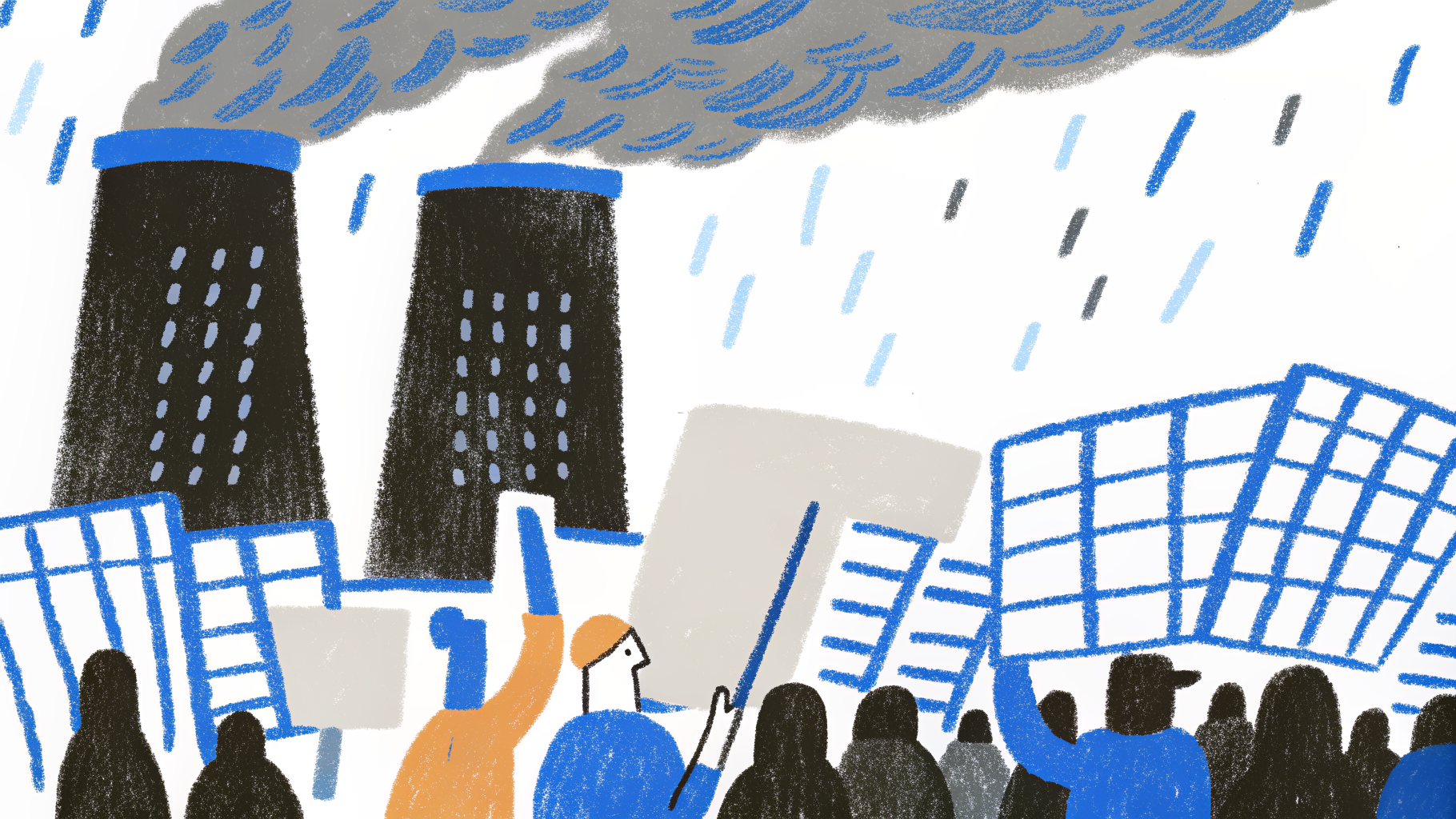
Voters turned into a local backlash, approving limits in 40 of 41 ballot measures across 10 states. People cited higher power bills, heavy water use, noise, land loss and harm to the environment. They also questioned how much say residents had over projects that can reshape local services and roads. Democratic victories in key governor’s races and control of Congress now give these concerns a national platform.
In 2027, Democrats are expected to seek for leading AI models, regular , stronger oversight and clearer rules for holding companies responsible when systems cause harm. They also plan to stop data centers from shifting onto households. Governors and local officials may pause projects or tighten approval rules. The challenge is to support AI investment and reliable power while limiting public costs and risks. US rules could shape data-center growth and AI oversight worldwide.
Timeline
Congress and state governments are expected to begin implementing AI and data-center controls
The first expected 2027 steps include congressional debate over , , liability and ratepayer protections, alongside state and local decisions on moratoriums, approvals and . The resulting mix of federal and state rules could shape US infrastructure growth and influence how the global AI industry builds and deploys its systems.
Congressional proposals linked AI expansion to grid reliability and community protections
The election results turned local objections over power demand, water use, noise and land into a broader federal policy challenge. Lawmakers now face a trade-off between preserving investment in AI infrastructure, protecting and communities, and imposing safety and accountability rules that could affect the pace and location of expansion.
Democrats planned protections against shifting data-center electricity costs to consumers
The incoming majority said it would consider measures to shield households and other from rising electricity costs tied to data centers. Proposals could address developer contributions, utility oversight, cost disclosure and limits on assigning to customers, while leaving the final mechanisms unresolved.
Democrats planned legislation to clarify when AI companies owe damages for harm
Democratic lawmakers said they would clarify when companies can be held liable for harms caused by their AI systems. The proposals target uncertainty over responsibility when automated systems produce damaging outcomes, potentially changing product design, deployment practices and consumers’ ability to seek .
Sara Jacobs and Don Beyer developed a framework for enforceable AI safety oversight
Representatives Sara Jacobs and Don Beyer were working on a framework requiring minimum safety standards, and stronger oversight of AI companies. The proposal would also give the government authority to shut down models that fail required testing, making safety compliance an enforceable condition rather than a voluntary commitment.
Lori Trahan planned independent testing requirements for leading AI models
Representative Lori Trahan said she would pursue legislation requiring to evaluate leading against safety standards. The proposal would make outside testing a condition of assessing whether powerful systems meet defined safeguards before or during deployment.
Democrats prepared a federal AI agenda linking infrastructure costs to model safety
After winning control of Congress, Democrats said they would pursue legislation on , consumer protection, and electricity costs associated with data centers. The expected shift would move federal policy away from primarily promoting expansion and toward oversight of the systems and infrastructure enabling it.
Democratic election victories shifted data-center opposition toward state policy
Democrats campaigning on pauses, stronger safeguards or local control won important races in states including Ohio, Wisconsin, Georgia and Texas. The results gave incoming governors and state lawmakers a larger role in decisions about approvals, environmental requirements, utility protections and developer accountability.
Voters approved restrictions on data centers in nearly every local ballot measure
Voters in 10 states considered 41 affecting data-center development. Twenty-seven measures directly limited or opposed new facilities, while nearly all reported results favored additional controls, with Harwood, North Dakota, the main exception.
Local campaigns turned AI data centers into a fight over community costs
Communities debated whether rapid would raise electricity bills, increase water use, noise and environmental pressure, and consume land with limited local input. The proposed ballot measures ranged from new reviews and zoning rules to and outright bans.